What’s going on here?
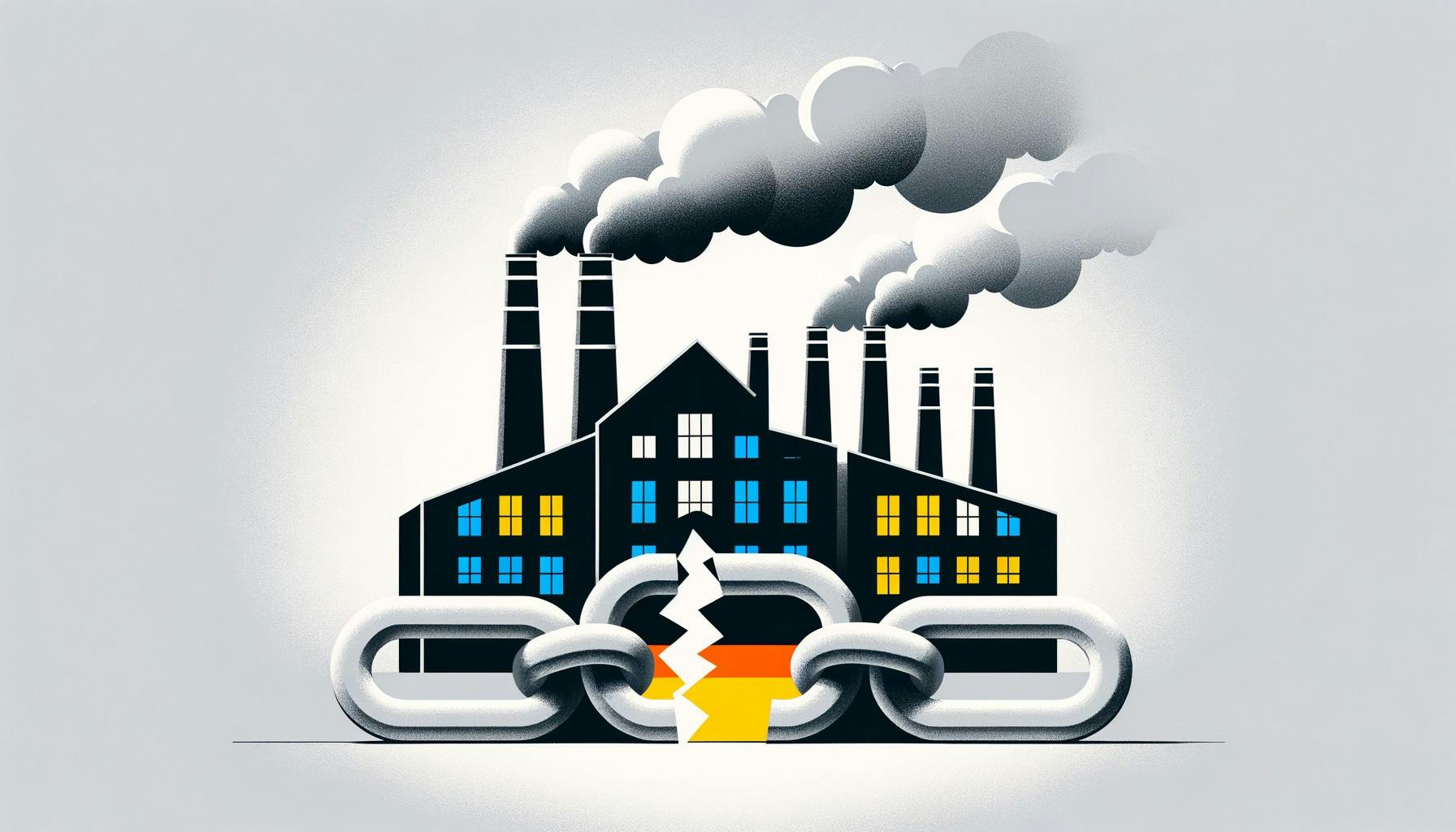
Germany’s economy is bracing for sluggish growth, with the German Economic Institute forecasting a mere 0.1% increase next year amidst significant structural challenges.
What does this mean?
Germany’s economic struggles persist following two years of contraction. A predicted 0.2% shrinkage this year stands in stark contrast to the euro zone’s 0.8% growth. While the service sector has provided some support, industrial and construction weaknesses have been a drag. The political paralysis from the collapse of Germany’s coalition government hampers policy responses, worsening unemployment, which could hit 6.2% by 2025. The IW underscores the importance of reforming corporate taxes, enhancing work incentives, and boosting infrastructure investments to guide the economy amid geopolitical strains and potential trade tensions with the US.
Why should I care?
For markets: Navigating geopolitical tremors.
Germany’s instability, with declining industrial outputs and rising unemployment, challenges investors seeking stability in Europe. Potential trade conflicts with the US, especially under Donald Trump, could further strain Germany, affecting global markets and investor confidence.
The bigger picture: A continental ripple effect.
Germany’s economic troubles may have wider implications, affecting the euro zone’s performance. As a crucial trade hub, Germany’s woes could reshape European trade relations and strategies, particularly if geopolitical tensions lead to export losses and investment declines, potentially reducing economic output by 180 billion euros by 2028.