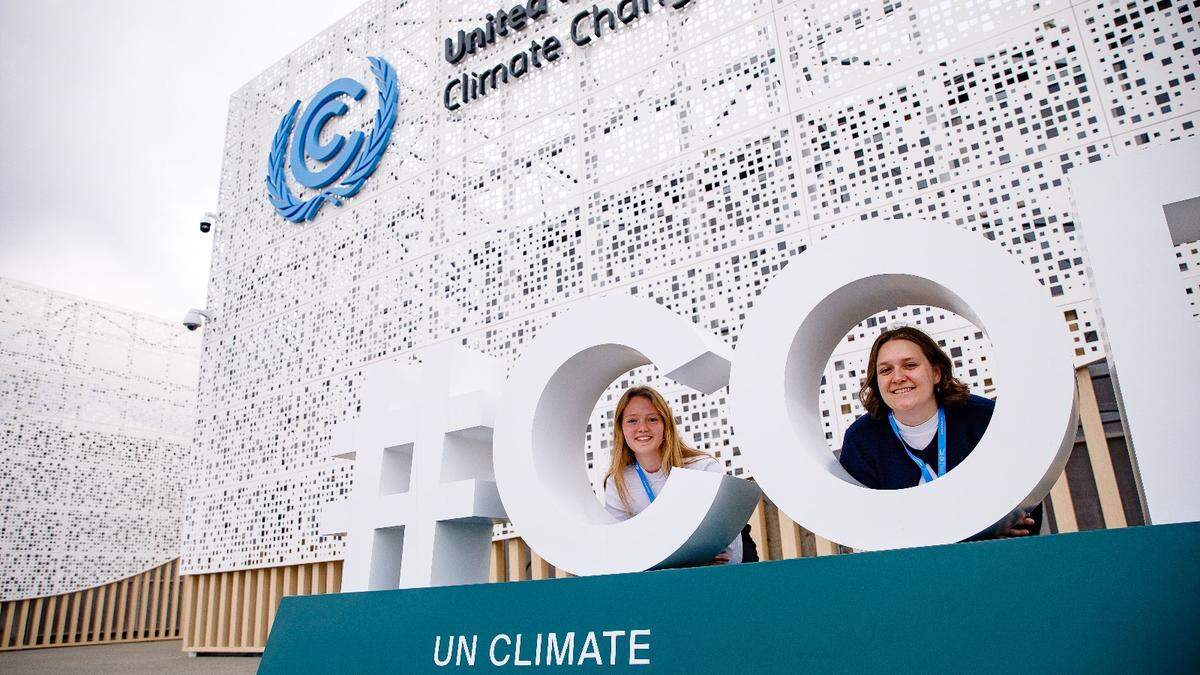
Frida Thorsteindottir, a biology student at the University of Luxembourg, returned from COP29 last week, where she was invited as one of two youth delegates, in part due to winning a prize at Jonk Fuerscher. She shared her impressions of the events with the Luxembourg Times.
Thorsteindottir’s studies cover various aspects of life sciences, including ecology, genetics, and environmental biology. Her top ten project was a research-based experiment that looked at sea trout, as they migrate from the ocean back to rivers and freshwater sources to spawn.
“I conducted a comparative analysis of trends in the migratory behaviour of sea trout between Iceland, Norway, and Denmark, and through my research discovered that sea water depth, temperature, location and time have significant impacts,” she said.
She believes that science will continue to play an important role in the near future, “co-operating with all of us in our effort to make this world a better place for humankind and for the coming generations who will inherit the earth.”
Motivating collective action
Thorsteindottir is a climate youth delegate and a board member at the Sustainability Association at the University of Luxembourg.
“I want to highlight the tangible impacts of climate change and the importance of collective action. It is understandable that when there are economic difficulties, priorities may alter, but we must keep the momentum and still have a mindset that climate change is not going away,” she said.
To this end, Thorsteindottir has spent much time keeping informed of the different scientific and social impacts that climate change has on our planet.
Also read:Youth voice being ignored at COP29, say Luxembourg students
Gap between countries’ promises and actions
Frida, along with Natasha Lepage, brought the voice of the youth of Luxembourg to the table at COP29, when they followed negotiation tracks in November, and saw ‘behind the scenes’ on negotiations at an EU level. She also intervened at one of the EU coordination meetings, along with fellow European youth delegates on Mitigation and the NCQG (New Collective Quantified Goal on climate finance).
Frida and other youth delegates bringing youth priorities to negotiations at COP29 © Photo credit: Frida Thorsteindottir
“It was a good chance to bring youth priorities to negotiations and discuss the importance of youth involvement. In addition, we presented points to the national level when meeting with Minister Serge Wilmes and discussing with members of parliament.”
Whilst Thorsteindottir feels the changes agreed at COP29 are a step in the right direction, she believes there is still a long way to go.
Also read:Five people share their path to more climate friendly living
“It’s frustrating to see the slow pace of implementation and the lack of commitment from some countries. The gap between promises and actions is discouraging, and it is crucial for world leaders to prioritise climate action and follow through on their commitments,” she said.
She also noted the vagueness in terms of the final NCQG made, and wants developed countries like Luxembourg to make strong and ambitious, nationally determined contributions (NDCs).
Yet she admitted that whilst the COP process may be slow paced, it has been instrumental in driving progress since the implementation of the Paris Agreement.
Can individuals make a difference?
On a personal level, Thorsteindottir has made several lifestyle changes to reduce her carbon footprint, including using public transport, minimising plastic use and supporting sustainable brands.
“I also try to raise awareness among my friends and family about the importance of making eco-friendly choices. People can make a significant difference in combating climate change and promoting both biodiversity and sustainability,” the student explained.
She cited simple actions like reducing waste, conserving energy, and supporting conservation efforts.
“People can also advocate for policy changes and support organisations that work for environmental protection,” she said.
Enter the 2025 Young Scientist contest
If you’re a budding young scientist aged between 11 and 21 years, you will soon be able to register your science project for the 2025 National Young Scientist (Jonk Fuerscher) contest which takes place 14-15 March.
Students have the opportunity to win various prizes to attend international conferences and science expositions. You can find out more here.
Also read:Jonk Fuerscher: the springboard for tomorrow’s scientists