
25
Dec 2024
Starting January 1st, 2025, Bulgaria and Romania will join the Schengen Area, the world’s largest visa-free travel zone.
On December 12th, European Union (EU) interior ministers approved this decision, ending land border checks between these two countries and their EU neighbors.
Decades of delays, debates over Schengen membership resolved
Bulgaria and Romania have waited for this step since joining the EU in 2007.
Although they met the technical requirements for Schengen membership by 2011, opposition from countries like Austria delayed their entry due to concerns about irregular migration and border security.
Earlier this year, the Council removed air and sea border controls, allowing free travel by flights and ferries. The removal of land border checks now completes their integration into the Schengen Area.
Schengen expansion expected to boost trade, tourism in Southeast Europe
The Schengen Area includes 27 EU member states and associated countries, covering over 420 million people.
Full membership brings major economic benefits for Romania and Bulgaria. The Bulgarian Academy of Sciences estimates it will save Bulgaria €800 million each year through savings and investments.
Romanian President Klaus Iohannis pointed to shorter border wait times and lower logistics costs as key benefits for businesses.
Truck drivers at Bulgaria’s Kulata checkpoint expressed support for the change.
“This should have happened a long time ago,” said Nazum Kasumov, reflecting the widespread sentiment among businesses reliant on seamless cross-border trade.
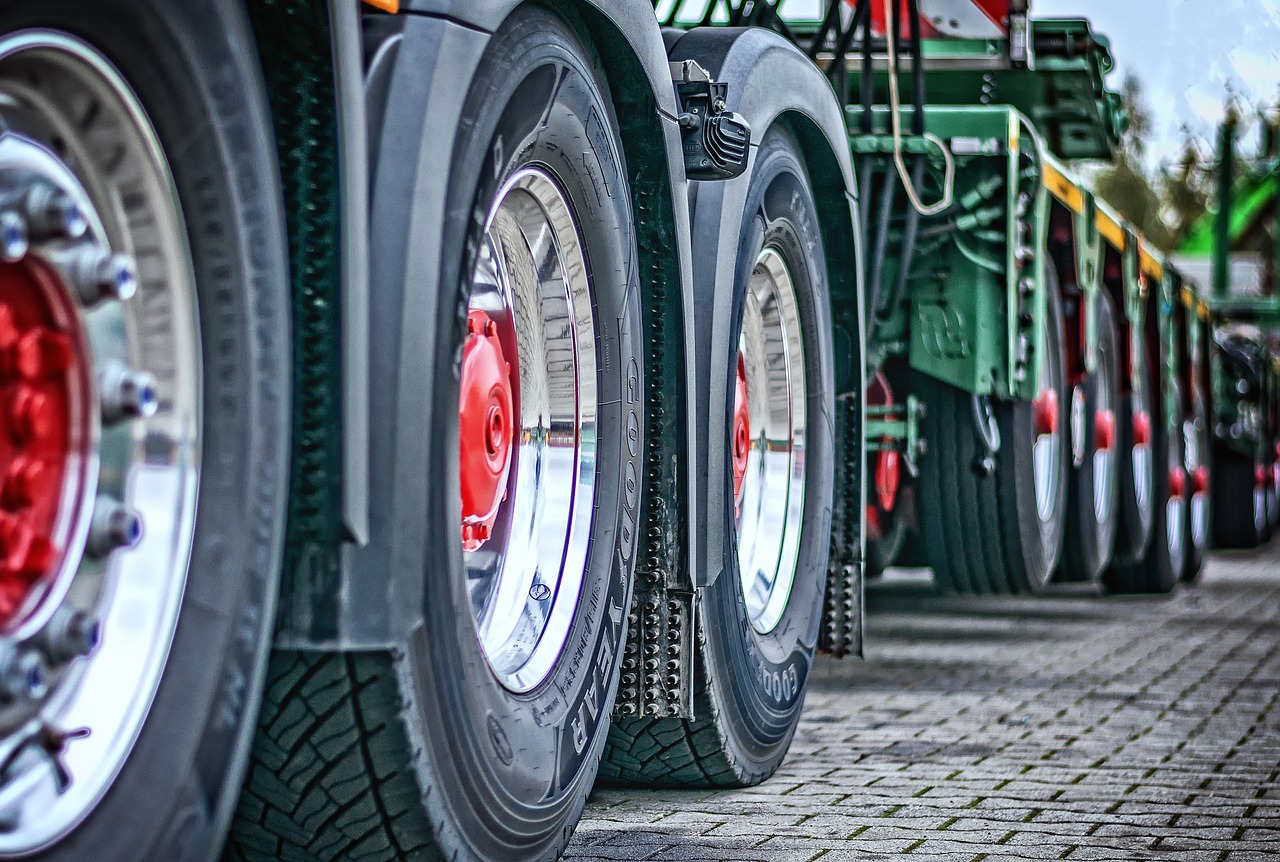
(Image courtesy of Peter H via Pixabay)
Authorities promise tighter border security against illegal migration
Some critics raised concerns about migration management, leading both countries to provide assurances.
Romanian Prime Minister Marcel Ciolacu stressed their commitment to guarding the EU’s external borders. Bulgarian officials outlined steps to combat organized crime and improve border security technology.
The European Commission promised continued support through Frontex and other EU programs to strengthen Bulgaria and Romania’s ability to manage migration challenges.
Travelers to benefit from smoother entry, reduced waiting times
Schengen membership makes travel easier for short-term visitors and migrants. With land border checks removed, tourists can visit Bulgaria and Romania without delays, and residents of both countries can travel across Europe more freely.
These changes align with the European Travel Information and Authorization System (ETIAS), launching in 2025 to simplify entry for non-EU nationals.
At the same time, migrants may face stricter checks at the EU’s external borders as Bulgaria and Romania strengthen migration controls. This policy shift is part of the EU’s broader effort to balance mobility and security.

(Image courtesy of Edal Anton Lefterov via Wikimedia Commons)
EU migration policies face challenges as Schengen expands
Bulgaria and Romania’s entry strengthens the Schengen Area but raises ongoing debates about internal border checks.
Some member states have reintroduced temporary controls over security concerns, showing the challenges of keeping Europe border-free.
The EU’s push for a unified migration policy will face new challenges as Bulgaria and Romania balance their roles as Schengen members and protectors of the EU’s external borders.
A milestone for European unity
EU officials praised the decision as a milestone for integration and cooperation. Hungarian Interior Minister Sándor Pintér called it a “historic moment,” while European Commission President Ursula von der Leyen highlighted the benefits for citizens and businesses.
“Together, we will enjoy the advantages of a stronger and more connected Union,” she said.
As Bulgaria and Romania join Schengen, the move marks the end of a long process and reinforces Europe’s shared values. This expansion aims to improve mobility, boost economic growth, and strengthen cross-border cooperation.
Yet, achieving a fully seamless Schengen Area will require ongoing effort and adaptability in a changing world.