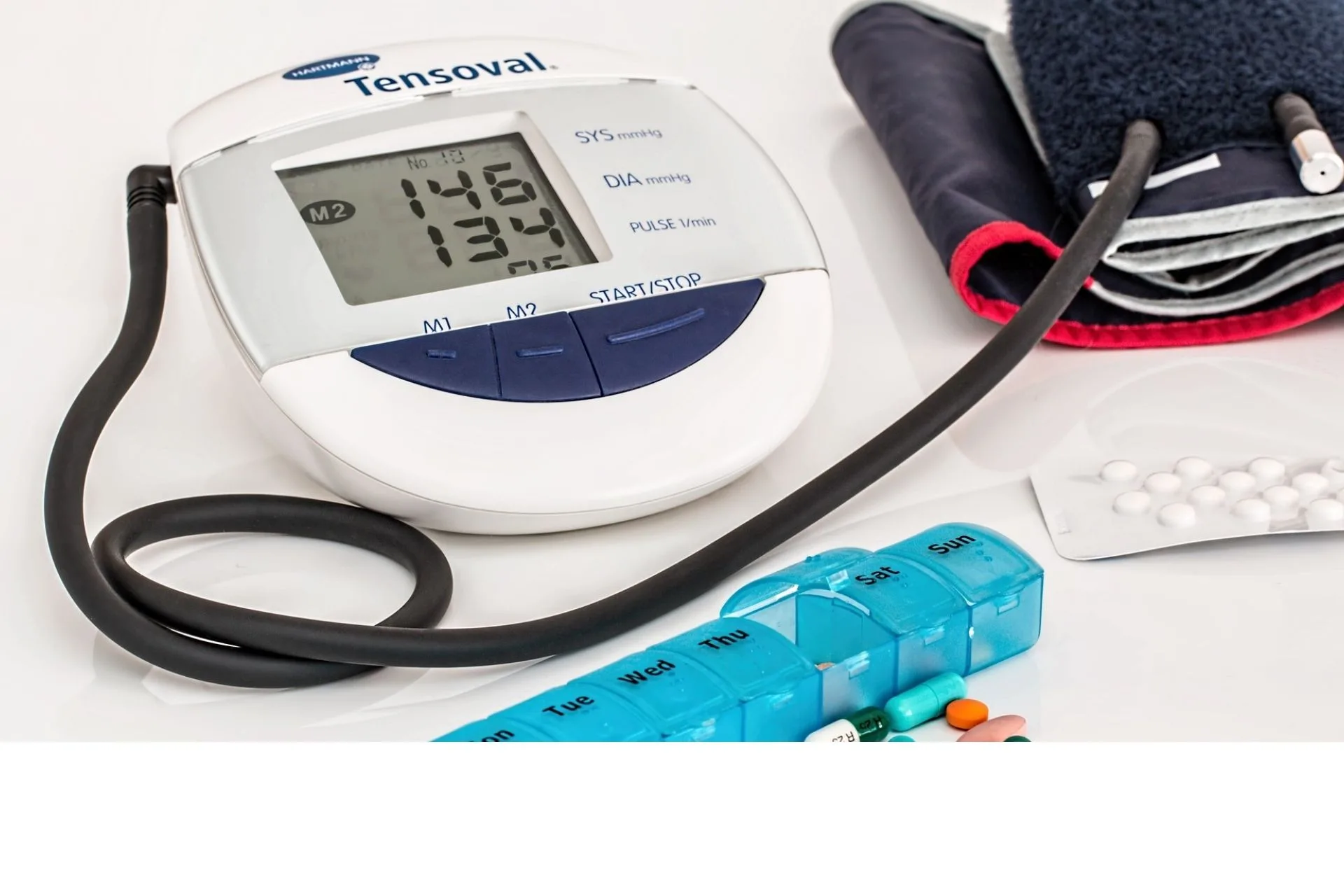
The global health environment in 2024 is shaped by a combination of ongoing challenges, emerging health threats, and advancements in healthcare. These factors affect populations across the world differently, depending on geographic location, socioeconomic status, and access to healthcare. Below is an analysis of the current state of the global health environment and its impact on populations globally.
1. Ongoing and Emerging Health Challenges
Infectious Diseases:
COVID-19: Although the acute phase of the COVID-19 pandemic has subsided, its impact continues to affect global health. Long COVID, the disruption of healthcare systems, and the economic fallout from the pandemic remain ongoing challenges.
Other Infectious Diseases: Diseases like HIV/AIDS, tuberculosis (TB), malaria, and hepatitis still pose significant health threats, particularly in low-income countries. The global response to antimicrobial resistance (AMR), driven by overuse of antibiotics and poor infection control, is another growing concern.
Outbreaks of new diseases: The recent rise of diseases like monkey pox and Ebola in certain regions underlines the persistent risk of emerging infections that can disrupt health systems and require global coordination for containment.
Non-communicable Diseases (NCDs):
NCDs, such as heart disease, stroke, cancer, diabetes, and chronic respiratory diseases, now account for the majority of global deaths. These diseases are closely linked to lifestyle factors, including smoking, poor diet, lack of physical activity, and alcohol use.
The increasing burden of NCDs is particularly evident in low- and middle-income countries (LMICs), where a shift towards urbanisation and Western-style diets is leading to rising rates of obesity, diabetes, and cardiovascular diseases.
Mental Health:
Mental health is a growing global issue, with conditions such as depression, anxiety, substance abuse, and suicidal tendencies becoming more prevalent. The COVID-19 pandemic has exacerbated mental health challenges, as has the pressure of socio-economic stresses in both high- and low-income countries.
However, there is greater global recognition of the importance of mental health care, but in many regions, mental health services are still severely underfunded and stigmatised.
2. Healthcare Access and Inequality
Access to Healthcare:
There is a significant disparity in healthcare access While high-income countries have advanced healthcare systems and infrastructure, many low- and middle-income countries still face limited access to medical services, essential drugs, vaccines, and trained healthcare workers.
Rural populations are particularly disadvantaged due to fewer healthcare facilities and professionals, leading to poorer health outcomes.
The cost of healthcare remains a major barrier in many countries, especially in the U.S., where insurance premiums, out-of-pocket expenses, and prescription drug costs can be prohibitively expensive, leading to health disparities.
Universal Health Coverage (UHC):
The goal of Universal Health Coverage (UHC) is to ensure that all people have access to necessary healthcare without suffering financial hardship. Progress toward UHC is uneven, with countries like Canada, France, and Australia leading in providing comprehensive public health systems, while others, particularly in sub-Saharan Africa, are still striving to expand coverage.
Global health organisations like the World Health Organization (WHO) emphasise the importance of strengthening health systems and focusing on equity in healthcare delivery to meet UHC targets.
3. Impact of Environmental Health Risks
Climate Change:
The effects of climate change on health are becoming increasingly evident. Higher temperatures and extreme weather events (such as heatwaves, floods, and hurricanes) affect the vulnerable by increasing heat-related illnesses, vector-borne diseases (such as malaria and dengue), and the spread of food and waterborne illnesses.
Air pollution, particularly in urban areas, is a significant health risk, contributing to respiratory diseases like asthma and cardiovascular conditions. According to the WHO, ambient air pollution causes millions of premature deaths annually.
Environmental Degradation:
Deforestation, water pollution, and soil degradation are also linked to health problems. Access to clean drinking water is a major challenge in parts of Africa and Asia, where waterborne diseases like cholera continue to affect large populations.
Food security is another concern, with changing weather patterns and agricultural disruption contributing to malnutrition and hunger, particularly in vulnerable regions.
4. Health Innovation and Technology
Tele medicine:
Tele medicine has become a major component of healthcare systems, particularly during the COVID-19 pandemic. It has allowed for greater access to healthcare, especially in remote or under served areas. The expansion of digital health technologies, such as mobile health apps and AI-based diagnostic tools, holds potential to transform healthcare delivery and reach under served populations.
Vaccines and Biotechnology:
Advances in biotechnology, particularly the mRNA vaccine technology used to combat COVID-19, offer promise for rapidly developing vaccines and treatments for various diseases, including malaria and HIV. However, vaccine equity remains a challenge, with low-income countries struggling to access vaccines due to cost and logistical issues.
Artificial Intelligence (AI):
AI is increasingly being used in medical research, diagnostics, and patient care. For instance, AI is helping to detect cancer and other diseases early, allowing for more effective treatment. However, there are concerns about data privacy and the digital divide, which could limit the benefits of these technologies for certain populations.
5. Global Health Initiatives and Actions
Global Health Partnerships:
Partnerships like the Global Fund, GAVI (Global Alliance for Vaccines and Immunization), and the Bill & Melinda Gates Foundation play key roles in improving healthcare access, especially in low-income countries. These organisations focus on addressing diseases like malaria, HIV/AIDS, and tuberculosis and supporting immunisation efforts.
Conclusion: Impact of the Current Global Health Environment
The current state of the global health environment has mixed outcomes depending on the region, socioeconomic factors, and health infrastructure. The impact of health challenges such as chronic diseases, mental health issues, infectious diseases, and environmental health risks disproportionately affects vulnerable populations, particularly in low-income countries. The rising burden of non-communicable diseases (NCDs) and mental health conditions calls for comprehensive public health responses that emphasise prevention, treatment, and access to healthcare services.
On the positive side, advancements in healthcare technology, global health initiatives, and international collaboration offer hope for addressing some of these challenges. However, for progress to be sustained, global health systems must prioritise equity, strengthen health systems, and focus on addressing the root causes of health inequalities.
.
Health and Disease Control
Health is a state of complete physical, mental, and social well-being, and disease control refers to the efforts taken to prevent, reduce, and manage diseases. These efforts can be divided into several key categories:
Preventive Measures
Preventing diseases before they happen is one of the most effective strategies in controlling disease. Preventive measures include:
Vaccination: Immunisation against infectious diseases, like measles, influenza, and COVID-19, plays a significant role in controlling the spread of diseases.
Hygiene and Sanitation: Proper handwashing, safe drinking water, sanitation practices, and food safety are fundamental in preventing the spread of infections.
Public Health Campaigns: Educating the public on healthy behaviours, such as wearing seat belts, practicing safe sex, or avoiding smoking, can reduce the incidence of many diseases.
Health Screenings: Regular screenings for cancers, diabetes, cholesterol, and blood pressure can identify diseases early, leading to more effective treatment and prevention of complications.
Vector Control
Diseases like malaria, dengue, and Zika virus are transmitted through vectors, such as mosquitoes. Vector control involves measures like:
Insecticide-treated nets to protect individuals from mosquitoes.
Elimination of breeding sites, such as standing water where mosquitoes lay eggs.
Use of repellents and proper clothing to reduce bites.
Treatment and Management of Diseases
For existing diseases, proper treatment and management are crucial:
Antibiotics and Antivirals: Medicines that treat bacterial and viral infections, respectively.
Chronic Disease Management: Diseases such as diabetes, heart disease, and hypertension require ongoing management to prevent complications. This often involves medication, lifestyle changes, and regular monitoring.
Mental Health Care: Psychological well-being is just as important as physical health. Counseling, therapy, and medication can help manage mental health disorders like depression and anxiety.
Global Surveillance and Response
Monitoring disease outbreaks, both locally and globally, allows authorities to act quickly and contain outbreaks:
Early Warning Systems: Health organisations use data from various sources to predict and track potential outbreaks.
Quarantine and Isolation: In the case of infectious diseases, quarantining and isolating affected individuals can help prevent spread.
Environmental Health
Environmental factors such as pollution, climate change, and urbanisation have a direct impact on health. Managing environmental health involves:
Reducing air and water pollution to prevent respiratory and waterborne diseases.
Adapting to climate change to minimise the spread of diseases like malaria, which can change with weather patterns.
Sustainable agriculture and food systems to reduce food borne illnesses.
Antimicrobial Resistance (AMR)
Antimicrobial resistance occurs when bacteria, viruses, and other pathogens become resistant to the drugs used to treat them. To control AMR:
Rational use of antibiotics: Avoid over-prescribing or using antibiotics for non-bacterial infections.
Surveillance and monitoring: Track resistance patterns to guide treatment decisions.
Social Determinants of Health
Socioeconomic factors—such as income, education, access to healthcare, and living conditions—affect health outcomes. Addressing these determinants can improve overall health and reduce disease burden.
Policy and Legislation
Governments and organisations implement policies and laws to control diseases. These may include:
Tobacco Control: Laws limiting smoking in public places and promoting smoking cessation.
Food Labeling: Regulations to ensure the public is aware of what they are consuming.
By focusing on these areas, society can significantly reduce the spread of diseases and improve overall public health.