

Recent reports suggest that the future King, Prince George, will be educated at Marlborough College, Wiltshire. If the rumours are true, Prince George will attend a school with a very different outlook and ethos than that of Eton College where his father went to school.
Why Marlborough College?
Originally established in the nineteenth century to educate the sons of clergy, the school became the first of the traditional boys’ schools to admit girls into the sixth form and, whilst boys still outnumber girls, Marlborough is today fully co-educational.
The school is one of the larger public schools with 15 boarding houses for around 930 pupils. Close to the market town of Marlborough, school grounds extend to some 280 acres of (beautiful) downs, housing an extraordinary, impressive collection of buildings and landmarks ranging from the former mansion-house of the Dukes of Somerset and a stunning Gothic-revival chapel, to a neo-classical styled Memorial Hall and the “Marlborough Mound, a Neolithic feature of the landscape dated to 2400 BC.
The school has good transport links with the UK and is less than 80 miles from London.
The school has become best known in recent years for educating the future Queen of England, the Princess of Wales (née Catherine (Kate) Middleton) and there is some concern (albeit rejected by the school) that the resulting pressure on and competition for places has diluted the traditional welcome of the school to a mixed ability intake and an historic avoidance of the hothouse atmosphere of its top tier counterparts.

Prince George’s mother, Princess Kate (as she is commonly known) appeared to thoroughly enjoyed her time at the school, and was dubbed the “person most likely to be loved by everybody’ in her yearbook on leaving Marlborough. The Princess eventually left the school for university, holding two “A’s and a ‘B’ at A-Level.
The decision to enrol Prince George at Marlborough highlights the school’s appeal to families seeking a nurturing yet secure environment. For royal born children, security is of paramount concern. According to sources, Prince George will reside in one of Marlborough’s “in-houses” near the main quad, ensuring near complete privacy. Marlborough’s layout includes six all-boys’ houses, six all-girls’ houses, and four mixed houses, offering flexible accommodation tailored to students’ needs.
A Rich Legacy
Marlborough College has a reputation for cultivating well-rounded individuals. Alumni include artists, business leaders, and public figures. The Princess of Wales has often credited her time at Marlborough for shaping both her character and her resilience.
Comparisons with Other Royal Choices
The British Royal Family has a long tradition of selecting prestigious schools, each choice reflecting the values and educational priorities of the time. While Marlborough College represents a thoroughly modern approach to education, other royals have attended a variety of notable institutions, each offering a unique educational ethos and differing opportunities.
Eton College: One of the most famous royal choices, Eton educated Prince William and Prince Harry. Known for its all-boys environment, Eton is synonymous with academic excellence, leadership development, and historic traditions. The £63,000-per-year boarding school, located near Windsor Castle, has a strong focus on preparing students for public life and higher education. 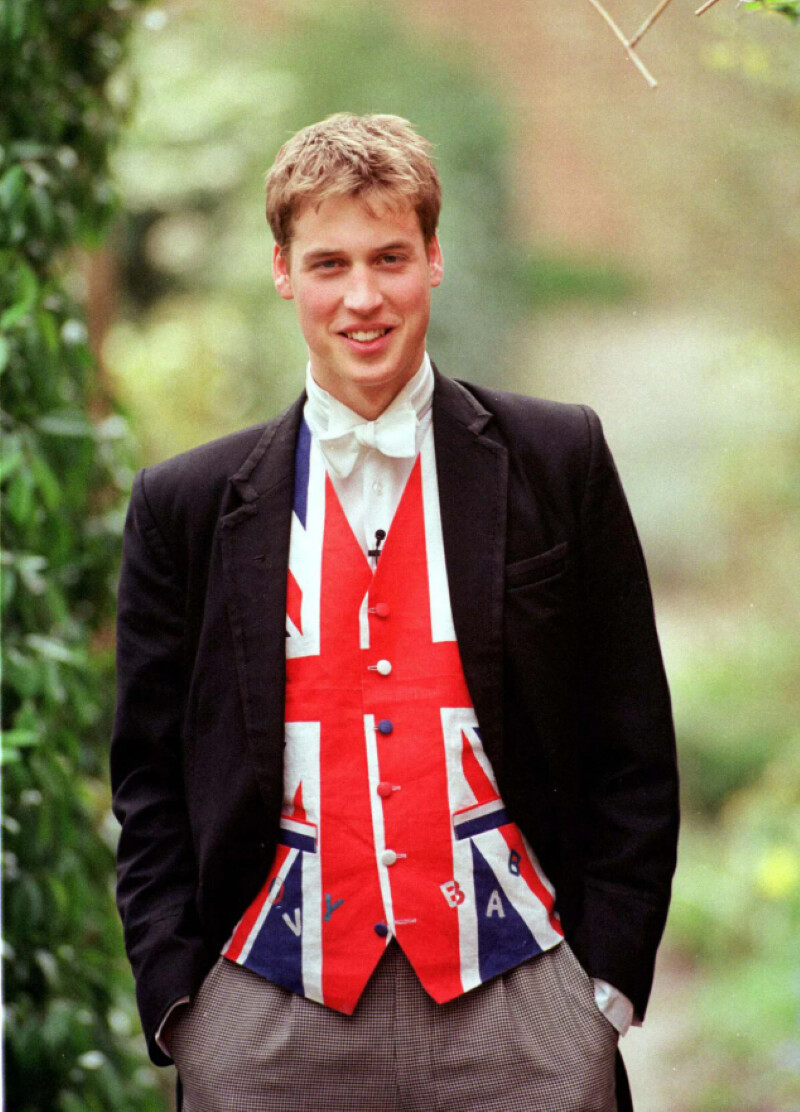 Prince William, seen here during his Eton College days
Read our review of Eton College here.
Marlborough College: Princess Eugenie followed in her mother, Sarah Ferguson’s, footsteps by attending Marlborough College (although not at the same time as the Princess of Wales). 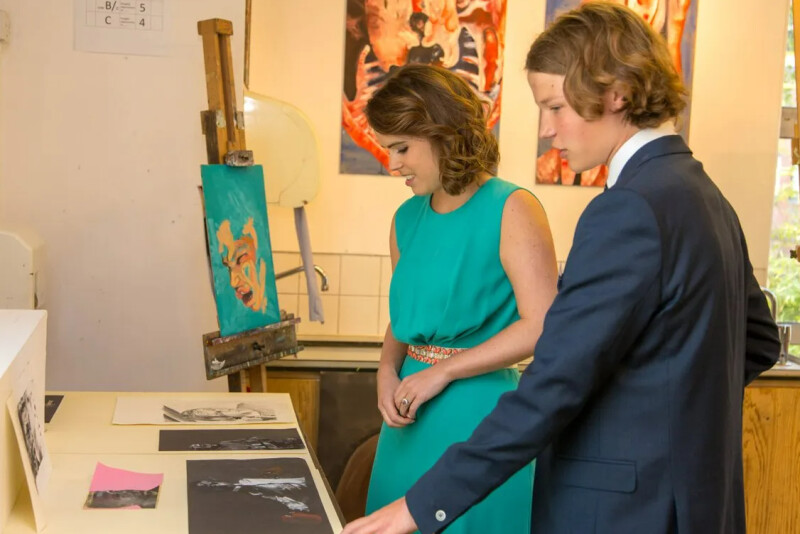 Princess Eugenie returns to visit her former school, Marlborough College
Read our review of Marlborough College here.
Gordonstoun School: Set in the Scottish Highlands, Gordonstoun emphasises outdoor education, resilience, and service to others. It was attended by the late Prince Philip, King Charles III, and other royals, including Zara and Peter Phillips. King Charles reportedly found Gordonstoun challenging due to its remote location and rigorous approach, but the school’s focus on character building and independence has remained influential in royal education.  King Charles, playing Macbeth in a performance at his former school, Gordonstoun
Read our review of Gordonstoun School here.
Benenden School: The Princess Royal, Princess Anne, attended Benenden, an all-girls boarding school in Kent. Renowned for its high academic standards and commitment to personal development, Benenden has maintained its position as one of the UK’s leading schools for girls, blending tradition with a forward-thinking approach. 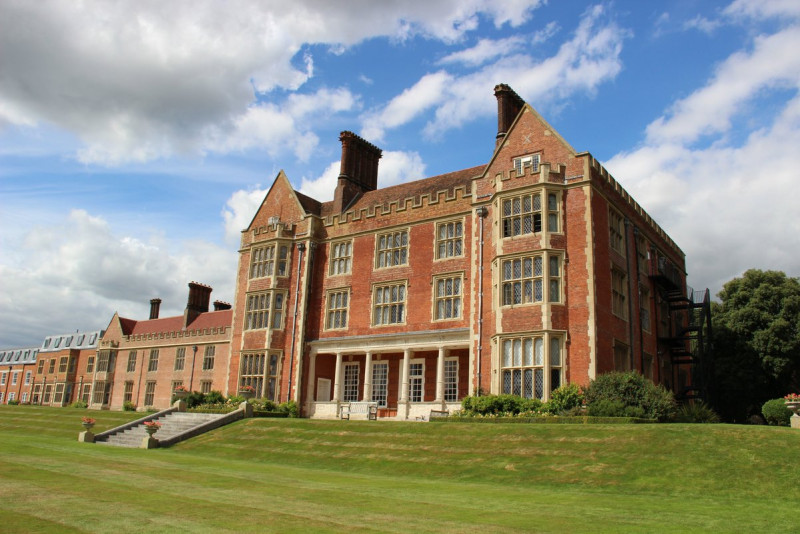 Benenden School in Kent, once attended by Princess Anne
Read our review of Benenden School here.
St George’s School, Ascot: Princess Beatrice attended this all-girls school in Berkshire. Known for its supportive environment and focus on nurturing individual talents, St George’s provides a balance of strong academics and pastoral care, tailored to prepare girls for life beyond school.  Princess Beatrice attended St George’s School, Ascot
Read our review of St George’s School, Ascot here.
This variety of schools chosen by the Royal Family reflects the changing priorities across generations. From single-sex environments like Eton and St George’s to the more inclusive and co-educational Marlborough, the evolving choices highlight a shift towards broader, more holistic educational experiences. Schools like Marlborough, with their emphasis on academics, creativity, and character building, seem especially suited to the modern needs of royal children.
For more on ‘royal’ schools, read our guide ‘Which Schools Do UK Royals Attend?’