
To slow climate warming, mandates have been imposed by the government requiring industry to meet carbon-free emission standards by 2050 nationally and by 2040 in Minnesota.
To comply with the mandates, Minnesota electric-utility companies are betting on solar and wind power to provide the electricity needed by industry and residential customers. Yet, solar and wind power is inefficient and is not always reliable. Solar panels have a relatively short lifespan of perhaps 25 years and wind turbines have about the same. Solar and wind farms are costly to build and costly to dismantle and dispose of the debris. It is almost a certainty that carbon-free-emission mandates will not be met if our country looks only to wind and solar.
Until recently, few public utilities had plans to develop new nuclear power plants to produce electricity. Today, however, public-utility companies are phasing out fossil fuel-powered plants and utilizing nuclear power to meet the ever-expanding demand for electricity.
In Georgia, Plant Vogtle 4 entered commercial service in April and is now the largest clean power generator in the country. It is home to two reactors and is the first new build of its kind in more than 30 years.
Plans have been made to restart the Three Mile Island Unit 1 in Pennsylvania, thanks to a 20-year power-purchase agreement with Microsoft to power its AI data center.
The U.S. Department of Energy closed a $1.52 billion loan to repower and upgrade the Palisades nuclear power plant in Michigan. The owner, Holtec, plans to bring the plant back online this year.
Microsoft’s Bill Gates is building a sodium-cooled nuclear reactor in Kemmerer, Wyoming. TerraPower officials say its small, 345-megawatt plant will power about 345,000 homes and will be safe and less expensive than conventional, water-cooled nuclear plants. The technology isn’t new. Russia has had a commercial sodium-cooled reactor in use since 2016.
So, where does Minnesota stand in the push to utilize nuclear power to generate electricity?
The answer is that we aren’t even at the starting gate. Minnesota is one of 12 states that prohibits the construction of nuclear-powered electricity plants. In 1994, the Minnesota Legislature amended a state statute to prohibit any new construction of a nuclear power plant. A certificate of need is prohibited from being issued to build any new nuclear-powered electric-generation facility.
If Minnesota’s 31-year moratorium continues, the picture is not bright. The state’s electric utilities will be forced to look to solar and wind power, industry and residential users will be burdened with unreasonably high electricity rates, and it is almost a certainty that zero-carbon-emission mandates will not be met.
Without further delay, the Minnesota Legislature should repeal the moratorium during the forthcoming 2025 legislative session.
Gerald M. Tyler is chairman and CEO of Up North Jobs (upnorthjobs.org), an Ely-based nonprofit that promotes economic development and job growth in Northeastern Minnesota.
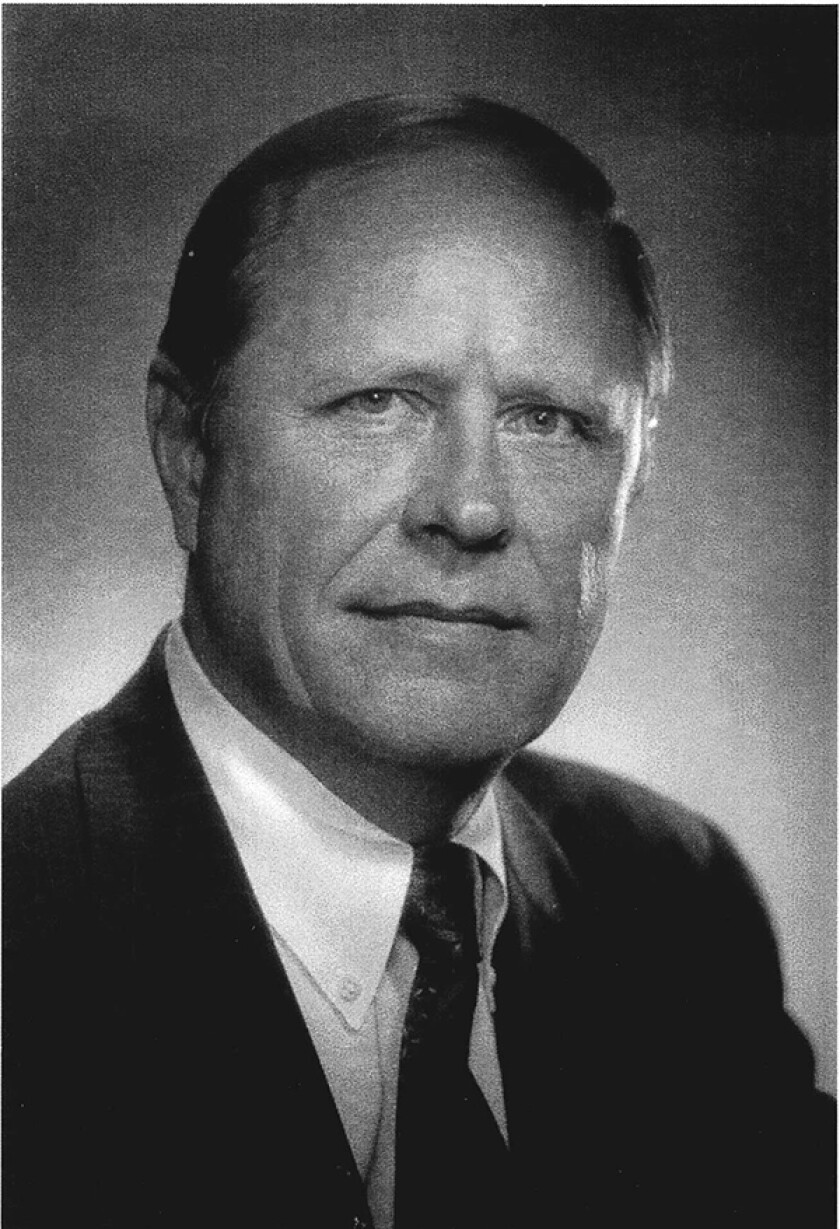
Gerald M. Tyler