
Hello all!
I’m new to renting an apartment by myself as I have been living in student WG before. As this is my first year with the heating costs, I do not have understanding of my usage. I am asking now as I don’t want to get surprising bills after a year.
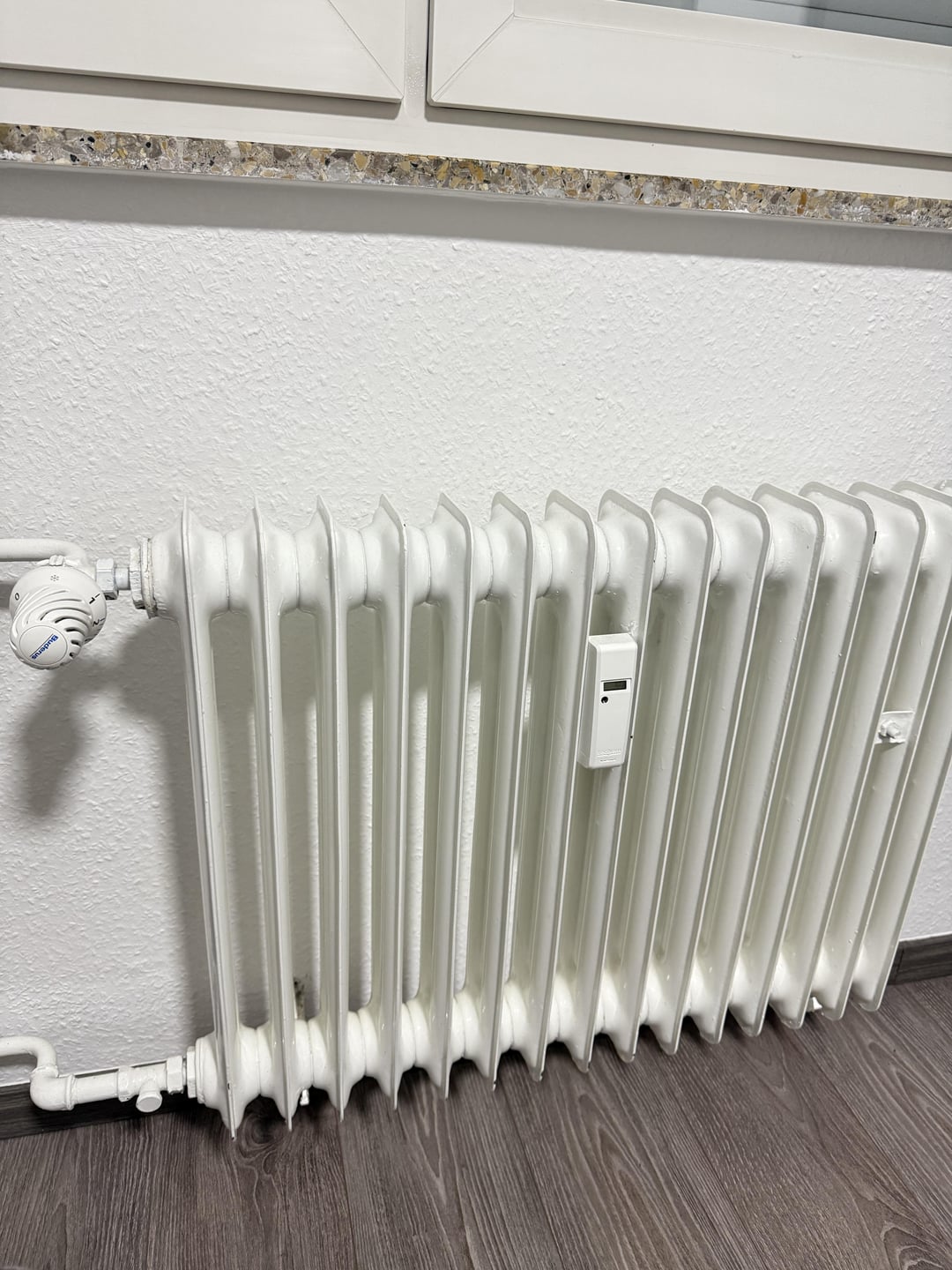
I have a 2 bhk and I am using the heater only in the living from morning till night (roughly 0600-2200) I turn off the heater at night and turn it on in the morning to the middle setting or 3. Some of my friends advised that I should let the heater continuously running. Which will be the better way to save energy and cost?
I don’t think my heater turns off automatically or when it reaches certain temperature. I haven’t set up any room temperature. Should I set it up by myself?
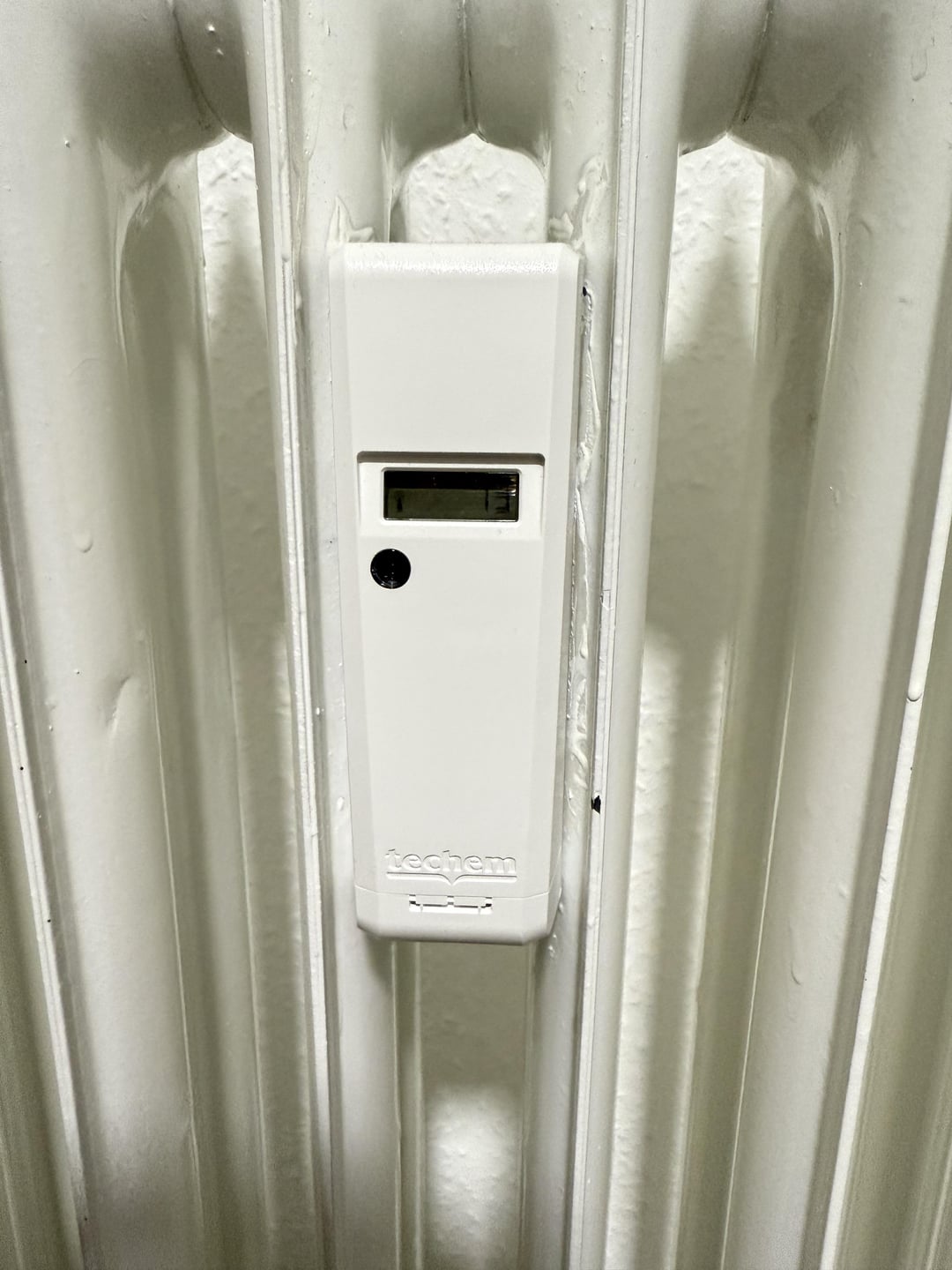
And lastly, what is the small attachment (2nd picture) for? Can I set up something in it? Is there a guidance video available?
by Super-Tough0513
9 comments
Set it on 2 and leave it there.
The little box counts the energy units you use.
The device attached to your heater is the meter that measures how much the heater is running. From the sub of the meters in the building, the portion of the entire consumption is calculated.
I have mine on All the time. Over the day when im home i have it on setting 3 thats 20°C AFAIK. In the night it between 1 and 2. The thing with the numbers is the Thermostat. The little box in the second picture is used for billing the heating costs.
The numbers roughly mean temperatures (1 =12°, 2=16, 3=20, 4=24, 5=28). Of course it’s not really accurate (alone the position of the thermostat doesn’t allow for any really accurate measures but it would work out roughly. So it kinda „turns off“ once the temperature is reached
I personally have it permanently on about 3ish, this gives me comfy 21-22°C. It supposedly goes on and off depending on room temp, which shows by it not turning on at all (can’t hear it running, cold all the time) when I set it on let’s say 1,5, or even 3 on a lukewarm autumn day.
But why in such a case the numbers on the head are 0 to 5 with a bonus ❄️ instead of just temperatures is beyond me. Who decides what is 3 and what is 5?
As for cost effectiveness the one rule everyone repeats is to turn off the heaters when you ventilate the room (I personally don’t do it because I’m forgetful lazy fuck and 5 hours later I will be shivering and wondering why tf am I so cold because I didn’t turn it back on).
Apart from that I have no idea but I believe that the documents informing about energy efficiency of the building (Energieausweis) should have been revealed to you before renting the room, and possibly also attached with a rental contract. If you’re scared of what might come out to pay next year you could take a look there maybe to estimate what numbers you can expect with normal usage. The number will be big anyway, any effectiveness techniques will only make it less big by a small fraction.
When you are not at home use it at 2-2,5 thats 16-18celsius, when you are home use it on 3-3,3 thats 20-22celsius, its depends on you. I prefer a bit warmer and also I dont like to come home to freezing cold(below 17celsius), but thats me😅
Mine keeps the house warm without even turning it on. I suppose its because the water pipers to radiator are always how anyway and therefore my place doesn’t require any further heat. Also, its a 2nd floor house and covered from all sides except one.
The main thing you can do to save energy is to keep your windows closed, and only regularly open all of them completely for a minute or two and then close everything again. This way you exchange all the air very fast, but avoid letting your furniture/walls/etc cool down, so you don’t lose a lot of heat while getting fresh air. While exchanging air, turn the radiator completely off (or even a few minutes earlier).
The thermostat (the thing you turn and can set from 1 to 5) does turn the radiator on/off at a target temperature. However, it’s very inaccurate, and is not calibrated against an actual temperature scale – it’s just a “smaller number means colder target” thing and you’ll have to figure out what it does with your room.
You should maintain a temperature of at least 17 degrees to avoid mold. So normally you should never set the radiator below 1 except when you actually want to turn it off completely for very rare reasons (like you’re renovating and keep the windows open all day, or something).
The thing is, your flat loses energy all the time through walls and windows. Your heater exists mostly for reintroducing this lost energy to the room again, keeping it at a constant temperature. If you turn off your heater, your flat will continue to lose energy. If you then turn on the heater and heat to the same temperature as before, the heater has to put all the energy your flat lost back into the room. So in this simplified case, you would have used the same amount of energy, just at a different rate. The thing I simplified was that the rate at which you lose energy through walls and windows depends on the temperature difference between inside and outside. The warmer it is inside, and the colder it is outside, the faster you lose energy, which means you have to use more energy to keep your flat at that temperature. So by reducing your room temperature and raising it again later, you need a bit less energy. And you don’t need more energy to heat the room up again.
However, the savings there are not huge, around 5-12% when you reduce heat during the night. The big question here is: is it worth the effort, and is it worth the lost comfort when waking up in the morning to a cold flat. And that’s something that largely depends on your financial situation. Also, it makes sense to generally turn down the heat in the rooms you aren’t using at a given time (like the bedroom, or maybe an office room you’re not using in the evening), and keeping the doors to those rooms closed.
I just leave it at 2.5 which gives me about 18 degree C, you may want to experiment a bit to find a temperature that works for you (lower temp = lower cost). Other than that I just leave it alone – I feel like dealing it down at night etc. makes barely a difference in cost at the end of the year and I am lazy.
Comments are closed.