What’s going on here?
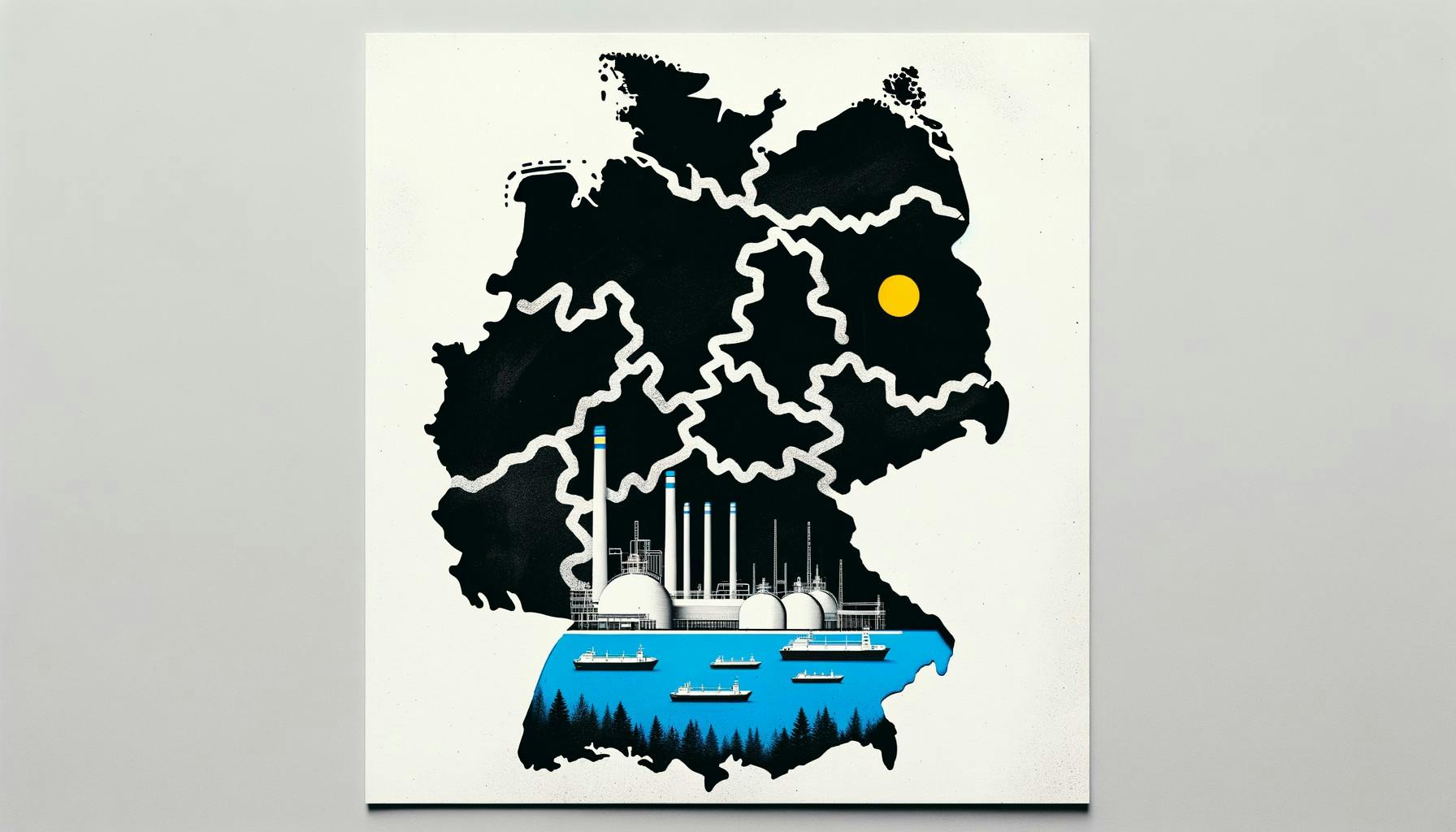
Germany is ramping up its LNG import infrastructure to counter disruptions in Russian gas supplies and bolster the US’s LNG export ambitions.
What does this mean?
Germany is fueling its energy transition by enhancing LNG (liquefied natural gas) facilities, a strategic move in response to cutbacks in Russian gas. Projects like the Mukran terminal on Ruegen Island and Lubmin port aim to diversify Germany’s energy sources while embracing green technologies such as ammonia and hydrogen. These ventures face competitive pressure, particularly between operators like Deutsche ReGas and Deutsche Energy Terminal, alongside environmental scrutiny. More sites, including Stade and Wilhelmshaven, are in the pipeline, with major players like Uniper and DET spearheading these expansions. Operational permits at key locations are in place, ensuring these forward-thinking efforts maintain momentum.
Why should I care?
For markets: Clean energy gains momentum.
The diversification of Germany’s energy sources is significant as it shifts focus from traditional fossil fuels towards cleaner alternatives. This transition is essential for utilities like EnBW and international firms such as Shell, who are backing these developments. The participation of major stakeholders, including Dow and Gasunie, could spur investment opportunities, paving the way for growth in both traditional LNG and emerging clean energy sectors.
The bigger picture: A dynamic energy landscape unfolds.
Germany’s LNG projects are setting the stage for a wider European energy transformation amid geopolitical tensions. As Europe looks to reduce reliance on Russian gas, these projects underscore a shift towards sustainable and diverse energy supplies. This change is bolstered by ambitious collaborations between national and global enterprises, positioning Germany as a key player in Europe’s energy independence story.