Unlock the Editor’s Digest for free
Roula Khalaf, Editor of the FT, selects her favourite stories in this weekly newsletter.
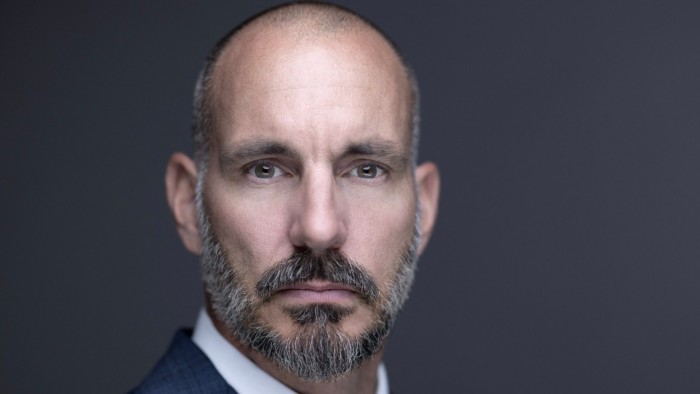
Prince Rahim Al-Hussaini has been named the new spiritual leader of the world’s Ismaili Muslims, succeeding his father, Prince Karim Al-Hussaini Aga Khan IV, who died on Tuesday.
Al-Hussaini, who is the Aga Khan V, was confirmed in the influential role following the unsealing of his late father’s will, according to a statement from the Aga Khan Development Network.
The Aga Khan IV used the network to channel billions of dollars into business development in 30 countries, mostly in Africa and Asia.
Al-Hussaini has become the 50th hereditary spiritual leader of Shia Ismaili Muslims, who consider him a direct descendant of the Prophet Muhammad.
“Throughout their 1,400 year history, the Ismailis have been led by a living, hereditary Imam,” the Aga Khan Development Network said in a statement. There are approximately 12mn to 15mn Ismailis in more than 35 countries, according to the network.
Al-Hussaini, 53, chairs the network’s environment and climate committee. He was educated at Brown University and was the Aga Khan IV’s eldest son, according to the Aga Khan University website.
The late Aga Khan died aged 88 on Tuesday in Lisbon. He was 20 when he succeeded his grandfather to become the leader of Ismaili Muslims, in 1957.
Over his lifetime, the Aga Khan IV founded and grew the Aga Khan Development Network, which directs about $1bn every year into projects focused on poverty alleviation, pluralism, gender equality and environmental preservation, among other issues.
The network, which encompasses multiple agencies, employs about 96,000 people and operates in more than 30 countries.
The late Aga Khan, who was born in Geneva and studied at Harvard University, was also a successful racehorse owner and breeder.
In a 2008 interview with the Financial Times, the Aga Khan IV said that he viewed his work as that of a venture capitalist specialising in tricky environments, adding that he thought “economic support” had to go hand in hand with “social development” in poor communities.
“A community whose economics don’t change is not one that can support community structures, education, healthcare, it doesn’t have the wherewithal,” he added.