Fifteen NATO member states, including Belgium, have launched two new initiatives aimed at bolstering airspace protection and improving defence capabilities. A signing ceremony for both endeavours took place on Thursday at NATO headquarters in Brussels, where defence ministers from member states gathered for discussions.
The war in Ukraine has underscored the effectiveness and dangers of modern technologies, such as small drones, highlighting the need for enhanced countermeasures.
According to NATO, the participating countries—Belgium, Denmark, Estonia, Finland, France, Greece, Latvia, Lithuania, the Netherlands, Norway, Portugal, Romania, Spain, Turkey and the UK—are committed to investing in more efficient solutions against low-flying threats (below 150 metres).
.jpg "NATO ministers of defence meeting at NATO Headquarters in Brussels, on 13 February, 2025.
© PHOTO SIMON WOHLFAHRT / AFP") NATO ministers of defence meeting at NATO Headquarters in Brussels, on 13 February, 2025.
NATO ministers of defence meeting at NATO Headquarters in Brussels, on 13 February, 2025.
© PHOTO SIMON WOHLFAHRT / AFP
In addition, the same 15 countries, along with the Czechia, have initiated a project focused on passive aerial surveillance, including sound detection. As NATO explains, this technology is “essential to identify incoming threats that cannot be detected by active air surveillance capabilities such as radars and satellites.”
“The war in Ukraine has shown how effective and dangerous technologies such as small drones can be in conflicts,” NATO stated. Strengthening the ability to detect, track, and respond to such threats is a key objective of these initiatives.
Through these joint projects, NATO allies will collaborate on developing and procuring new capabilities while enhancing interoperability between their defence systems. This cooperative approach is expected to reduce costs and improve efficiency.
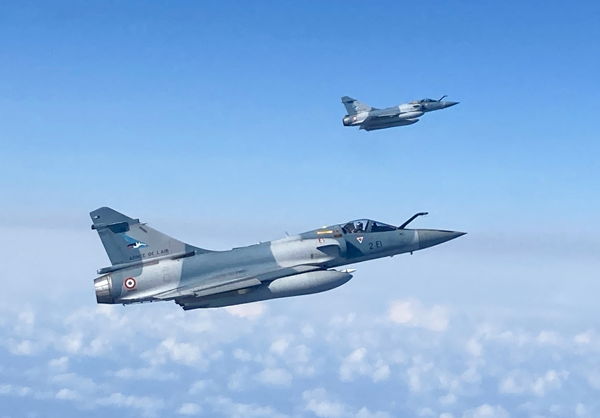
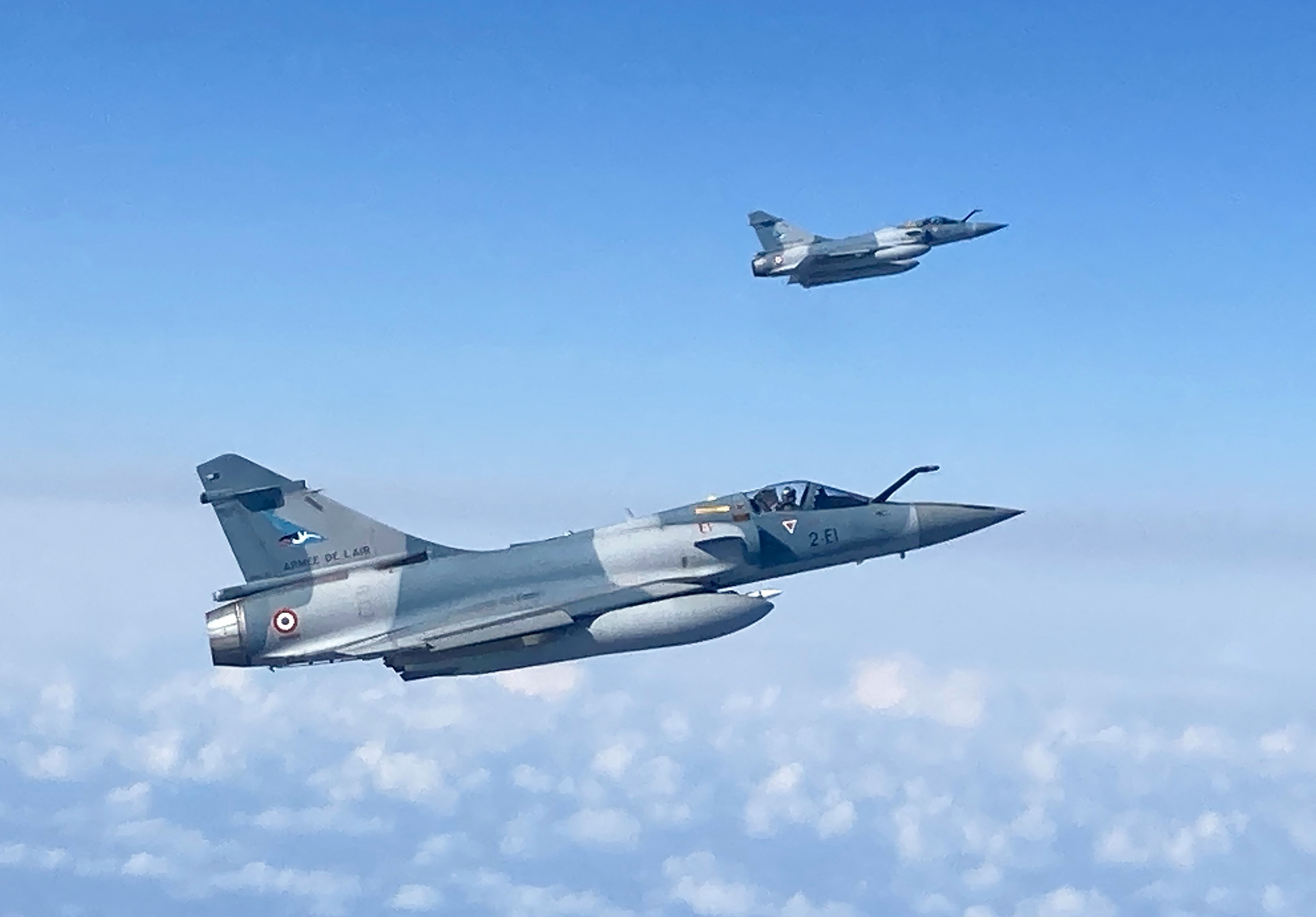
French Mirage 2000 fighter jets flying over Estonia © PHOTO DIDIER LAURAS / AFP
Related news

