
14
Feb 2025
Croatia is changing its labor laws as more foreign workers enter the country.
In 2024, authorities received 286,000 applications for residence and work permits, a 22% increase from the previous year. To manage this growth, the government is updating employment rules to regulate foreign hiring and meet European standards.
Foreign workforce grows across key sectors
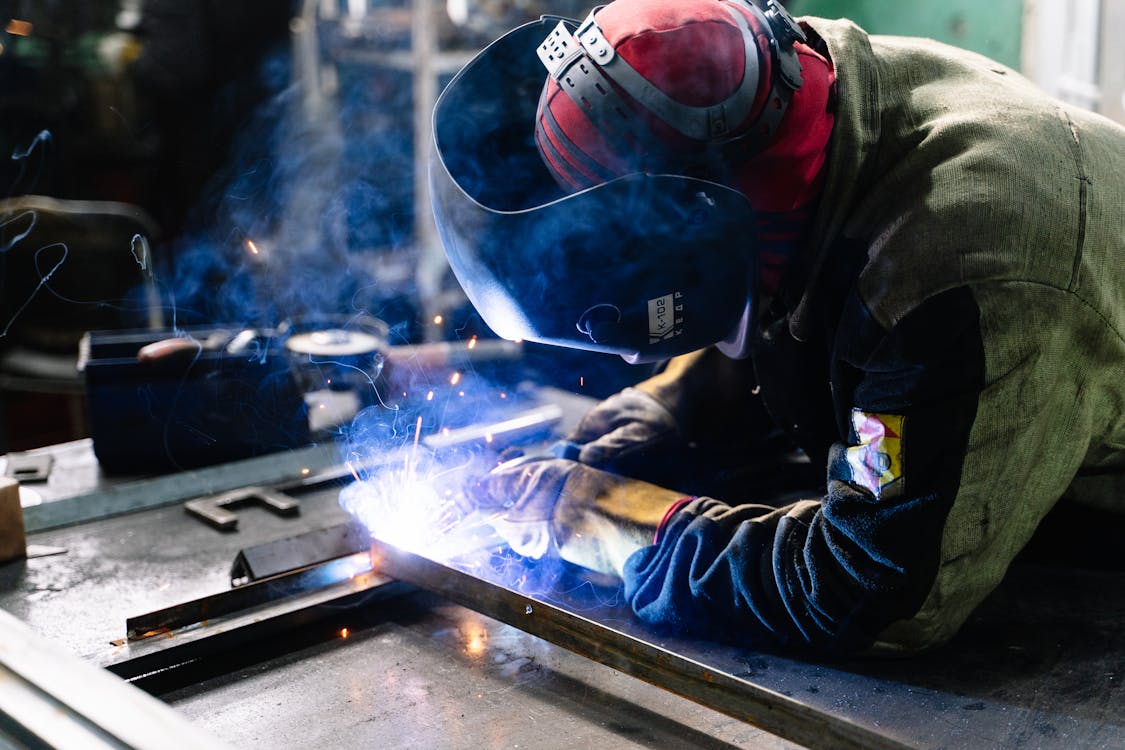
The government issued 206,529 work permits in 2024, a 20% increase from 2023. More than 113,500 foreign workers currently hold valid permits, mostly in construction, tourism, hospitality, industry, transport, and trade.
Bosnia and Herzegovina received the most permits (38,100), followed by Nepal (35,635), Serbia (28,000), India (20,000), and the Philippines (14,600). Other major sources of foreign workers include North Macedonia, Bangladesh, Kosovo, Uzbekistan, and Egypt.
(Image courtesy of Pavel Chernonogov via Pexels)
Major legal changes target fair wages, working conditions
The Croatian Parliament is set to vote on changes to the Aliens Act to strengthen legal protections for foreign workers. Key proposals include:
Equal Pay: Employers must pay foreign workers the same as Croatian employees in the same jobs.
Longer Work Permits: Residence and work permits will be valid for up to three years instead of one. Seasonal permits will last nine months instead of six.
Employer Financial Guarantees: Employers must provide financial security if they cancel a hire after getting a work permit.
Housing Standards: New rules will set clear requirements for worker accommodations.
Employer Eligibility: Companies must have employed at least one Croatian citizen for a year, paid all public dues, and met a minimum turnover of €10,000 (legal entities) or €15,000 (individuals).
EU Blue Card expands for skilled workers
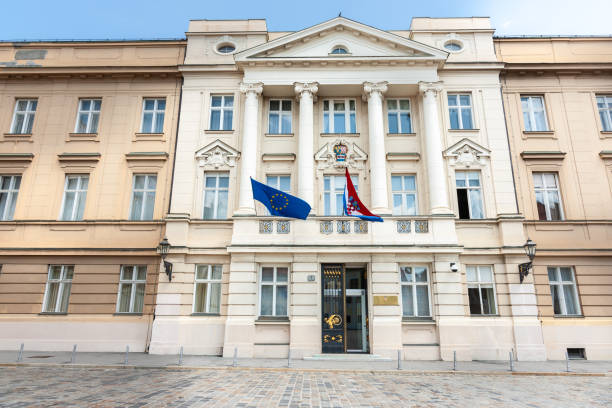
Croatia is improving its EU Blue Card policy to attract highly skilled professionals. Key changes include:
Longer Validity: The Blue Card will be valid for 48 months instead of 24.
Experience-Based Qualifications: Workers in fields like IT can qualify without formal education if they prove their skills to a labor ministry commission.
Higher Salary Requirements:Blue Card holders must earn at least 1.5 times Croatia’s average gross wage.
(Image courtesy of BrianScantlebury via iStock)
Enforcement, employer accountability
Croatian authorities are tightening rules for hiring agencies and employers. Starting January 1st, 2026, companies that break employment laws will face penalties. Businesses using digital platforms like Bolt and Wolt cannot hire foreign workers illegally.
Ivan Vidiš, State Secretary at the Ministry of Labor, emphasized that these changes will improve the labor market and protect foreign workers. The government will also create a blacklist for companies that fail to register workers for mandatory insurance.
Tighter employment requirements, financial guarantees
Croatia’s new employment rules align with broader European efforts to regulate migration and labor access. While they mainly affect foreign workers, they could also impact short-term visitors, long-term residents, and those planning to move to the EU.
For travelers, the changes come as the European Union (EU) prepares to launch the European Travel Information and Authorization System (ETIAS). This system will require non-EU nationals from visa-exempt countries to get pre-authorization before visiting Schengen states, including Croatia.
Though the ETIAS is not a work permit, stricter oversight of foreign labor could lead to tougher enforcement of short-term visa rules, especially for those suspected of seeking unauthorized work.
Long-term visitors and migrants may find it harder to get legal jobs in Croatia due to stricter employer requirements and financial guarantees.
The focus on skilled labor and equal wages suggests that informal, low-wage jobs—often a starting point for migrants—will be harder to find.

(Image courtesy of Anna Shvets via Pexels)
A model for future immigration policies?
Croatia’s labor policies could influence other EU countries looking to refine their foreign worker regulations.
By tying work permits to employer financial guarantees, minimum turnover requirements, and equal pay, Croatia is setting an example that other member states may follow. This supports the EU’s goal of standardizing labor protections to ensure fair treatment and prevent worker exploitation.
Croatia’s crackdown on unregistered gig work, such as jobs through Bolt and Wolt, reflects a wider EU effort to regulate the gig economy and prevent abuse.
Countries like Germany and France, which face similar challenges, may adopt similar rules when updating their own work permit and migration policies.
As the EU balances economic needs with migration control, Croatia’s policies could serve as a model for future reforms.
If successful, stricter labor rules may spread across Europe, changing how nations manage workforce shortages, worker rights, and migration.
A new era for Croatia’s workforce
Croatia’s new employment rules seek to meet economic needs while protecting workers. As the foreign workforce grows, these changes could reshape the job market and ensure fair treatment for all employees.
These changes reflect the EU’s broader push to attract skilled workers while limiting unregulated migration, including through a stricter Schengen visa framework.