FARGO — It’s full steam ahead as the electrifying conversation about geothermal power heats up in the North Dakota Legislature.
A bipartisan plan in
has advanced to the North Dakota House of Representatives after getting a green light from the Senate.
Brought forward by Sens. Claire Cory, R-Grand Forks, Kathy Hogan, D-Fargo, and Dale Patten, R-Watford City, the bill would power a study on geothermal energy in the coming year, specifically examining how best to
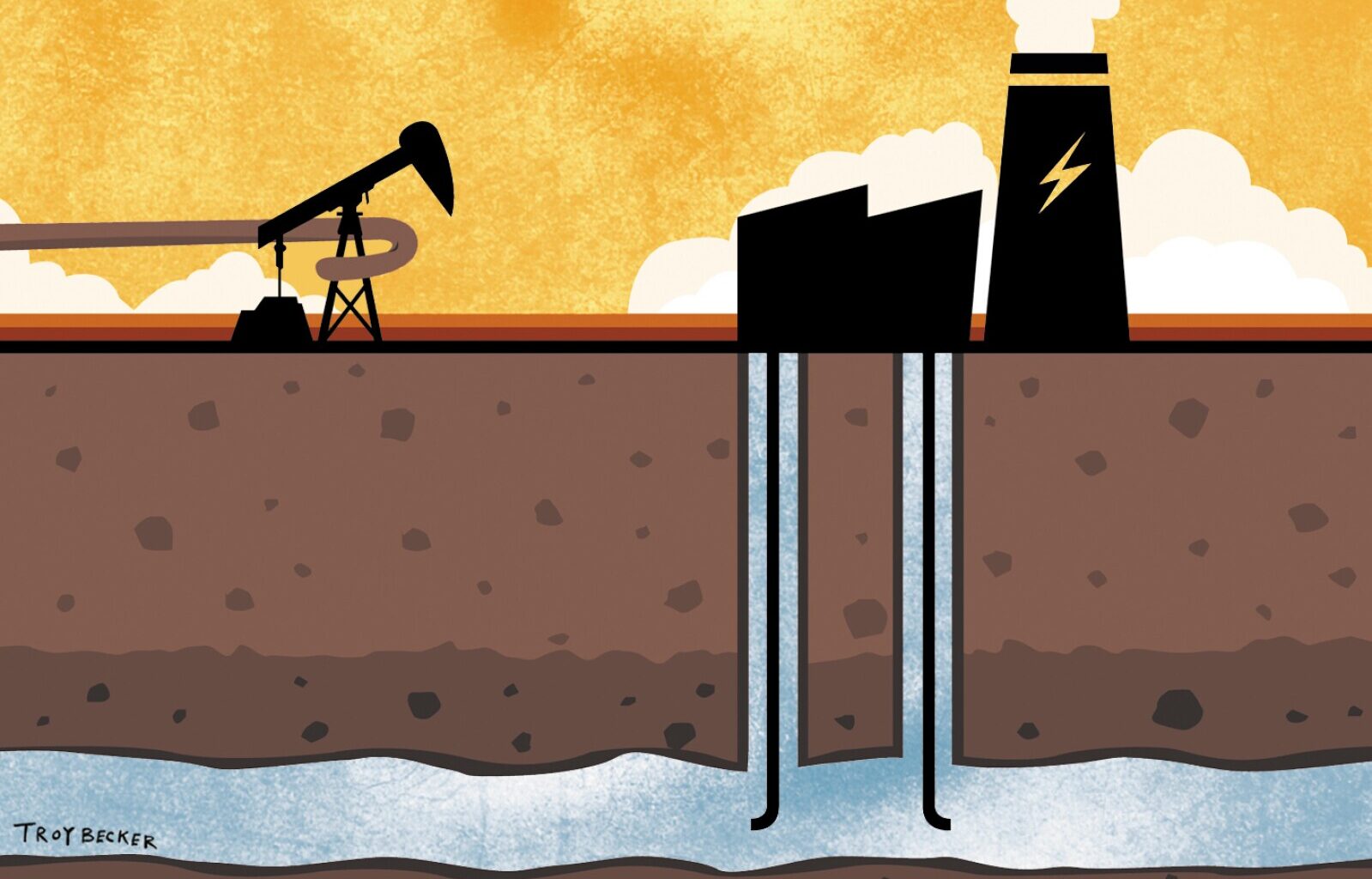
build geothermal plants in defunct oil and gas wells in North Dakota.
On his first day in office,
President Donald Trump declared a state of emergency
when it comes to the nation’s energy.
He said it’s vital that the United States diversify energy sources, including investing in geothermal energy.
If approved, the next session of the North Dakota Legislature would receive recommendations on how to include geothermal power in the state’s energy industry based on the study.
This bill is an absolute win-win, local energy experts said.
“If we can generate our own energy in our state continuously … we are much better off for a long, long time,” said Paul N. Jensen with Green Way Energy of Fargo. “It’s absolutely the cat’s meow — it really is.”
He testified in support of the bill in the Senate Energy and Natural Resources Committee, along with Dr. Moones Alamooti, CEO of GeoTinkers Inc., and eight others. There was no opposing testimony.
The overwhelming support highlights the untapped potential beneath North Dakota’s surface, Alamooti said, which would produce endless energy.
“Think of earth like a natural kettle that is always hot,” she said. “First, we pump naturally heated water from deep underground through wells. Second, this hot water — much hotter than a boiling kettle — turns to steam in the power plant. Third, this powerful steam spins a turbine like a giant pinwheel, which is connected to a generator that converts the spinning motion into electricity. Fourth, we cool the used steam back into water in a cooling tower. Finally, we send this cooled water back underground through another well where Earth’s natural heat will warm it up again. This cycle never stops, giving us a constant source of clean power.”
Geothermal power provides a reliable, continuous source of energy that can prevent grid failures and ensure long-term stability, Jensen said, and it will cost less per kilowatt hour, over time, than coal or natural gas.
The western portion of the state would be a prime location for these plants, Alamooti said, but the energy generated would be shared statewide.
Reusing depleted oil and gas wells for this purpose would save money, she added.
Instead of spending $500 million to plug up the wells, Alamooti said, the state of North Dakota could begin generating $1.5 billion in annual energy revenue by repurposing the old infrastructure to move the state forward.
North Dakota needs more energy, she said, noting that
ever-growing data centers use up lots of power.
“At some point, we may run out of energy,” Alamooti said, adding that geothermal power “would put us (North Dakota) as an energy leader.”
Beyond energy production, Alamooti said, geothermal power would have widespread economic impacts on the state.
Some states that implemented geothermal energy saw pushback from oil and gas companies, telling people that their jobs would be at risk, Alamooti said, but that is not true.
Adding geothermal plants in areas of depleted oil and gas wells will not affect existing jobs, she said, but instead create more jobs.
“There is no threat for them (oil and gas workers),” Alamooti said. “This new source of energy would actually provide them more opportunities.”
In addition, the power plants would bring additional money into the state, she said, by selling energy to other communities and cementing North Dakota’s status as a regional energy provider.
North Dakota’s closest energy customer, Minnesota, has ethical concerns about pursuing coal and gas power from North Dakota due to greenhouse gas emissions, but they will have no such problems buying clean geothermal energy, Jensen said.
“Geothermal is really what we want if we want to keep good prices and stable prices for the future,” he said. “(It’s an) excellent opportunity to grow our economy,” based on a “proven and reliable energy source.”
Private industry leaders in North Dakota indicated they’re ready to jump in on geothermal power, but they want to see buy-in from government agencies first, Alamooti said.
In Texas, geothermal power projects quickly brought in $5 billion in private investments, she said.
If the North Dakota Legislature passes the study on geothermal power, it would constitute the first step toward private-public partnerships to get geothermal plants up and running in North Dakota, she said, and open the door to an influx of federal dollars.
“This permanence, combined with the economic and environmental benefits, positions geothermal power as a cornerstone of North Dakota’s energy future,” Alamooti said.
There is growing support and need for geothermal energy development in North Dakota, she said.
“This energy is coming from the earth,” Alamooti said. “It wouldn’t be depleted. It’s constant energy.”
A hearing for SB 2360 has not yet been scheduled in the House.