What’s going on here?
West African crude oil prices remained steady as traders focused on the upcoming May schedules for Nigerian oil exports.
What does this mean?
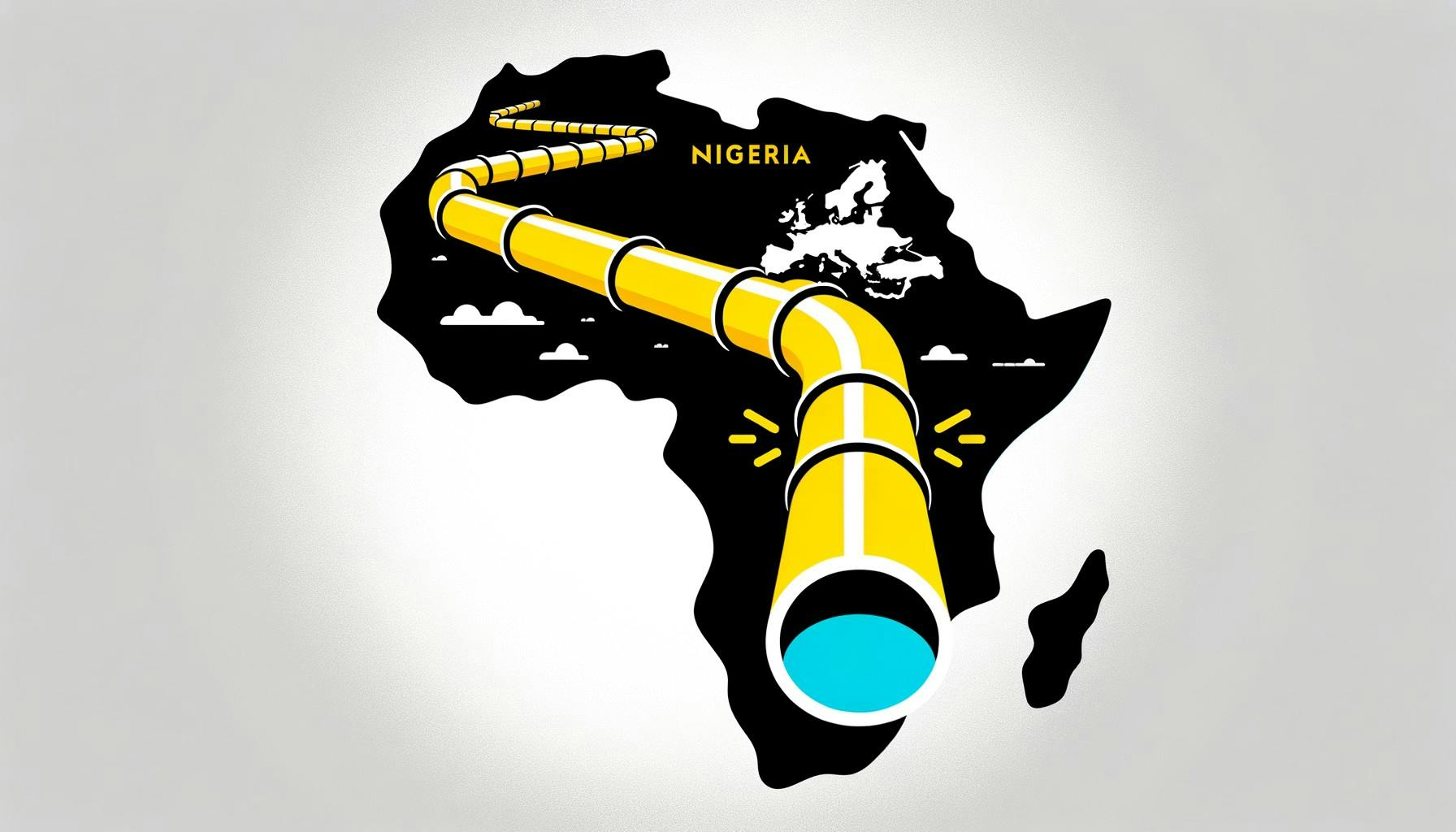
The stability in West African crude prices is notable, especially with recent pipeline issues. The Trans Niger Pipeline rupture raised concerns over potential disruptions, yet efficient rerouting through an alternative pipeline ensured Bonny Light shipments continued without needing to declare force majeure, albeit with slight delays. Initial schedules show six Bonny Light and five Qua Iboe cargoes for May, but details may change as finalization occurs. Meanwhile, Angolan types like Dalia crude stayed stable, with Sonangol successfully selling a May-loading cargo last week.
Why should I care?
For markets: Steady as she goes.
The resilience of West African crude amid pipeline challenges is a positive sign for global oil markets. The stability indicates effective supply chain adaptations, reducing major disruption risks. Traders and investors should note the consistent crude prices, as steady shipments are likely to keep markets balanced into the next quarter.
The bigger picture: Supply chain flexibility pays off.
The rapid response to the Trans Niger Pipeline rupture underscores the importance of flexibility in oil supply chains. Rerouting through alternative routes minimized Nigeria’s potential economic fallout and highlighted its export infrastructure’s robustness. As global trade faces ongoing geopolitical and technical challenges, efficient logistical responses could set the standard for handling future disruptions in the energy sector.