Shafaq News/ The United States and Israel are intensifying preparations
for a potential military strike against Iran, as diplomatic efforts to curb
Tehran’s nuclear ambitions teeter on the brink of collapse. This looming
confrontation, fueled by weeks of escalating tensions, has placed the region on
high alert, with both sides flexing their military muscle.
In early March, US President Donald Trump issued a stark ultimatum to
Iran’s Supreme Leader Ayatollah Ali Khamenei, demanding a new nuclear agreement
within two months. This letter, framed as both an olive branch and a warning,
set a hard deadline for Tehran to curtail its nuclear program.
“If they don’t make a deal, there will be bombing,” Trump declared in a
televised interview, “It will be bombing the likes of which they have never
seen before.”
Military Buildup and Strategic Positioning
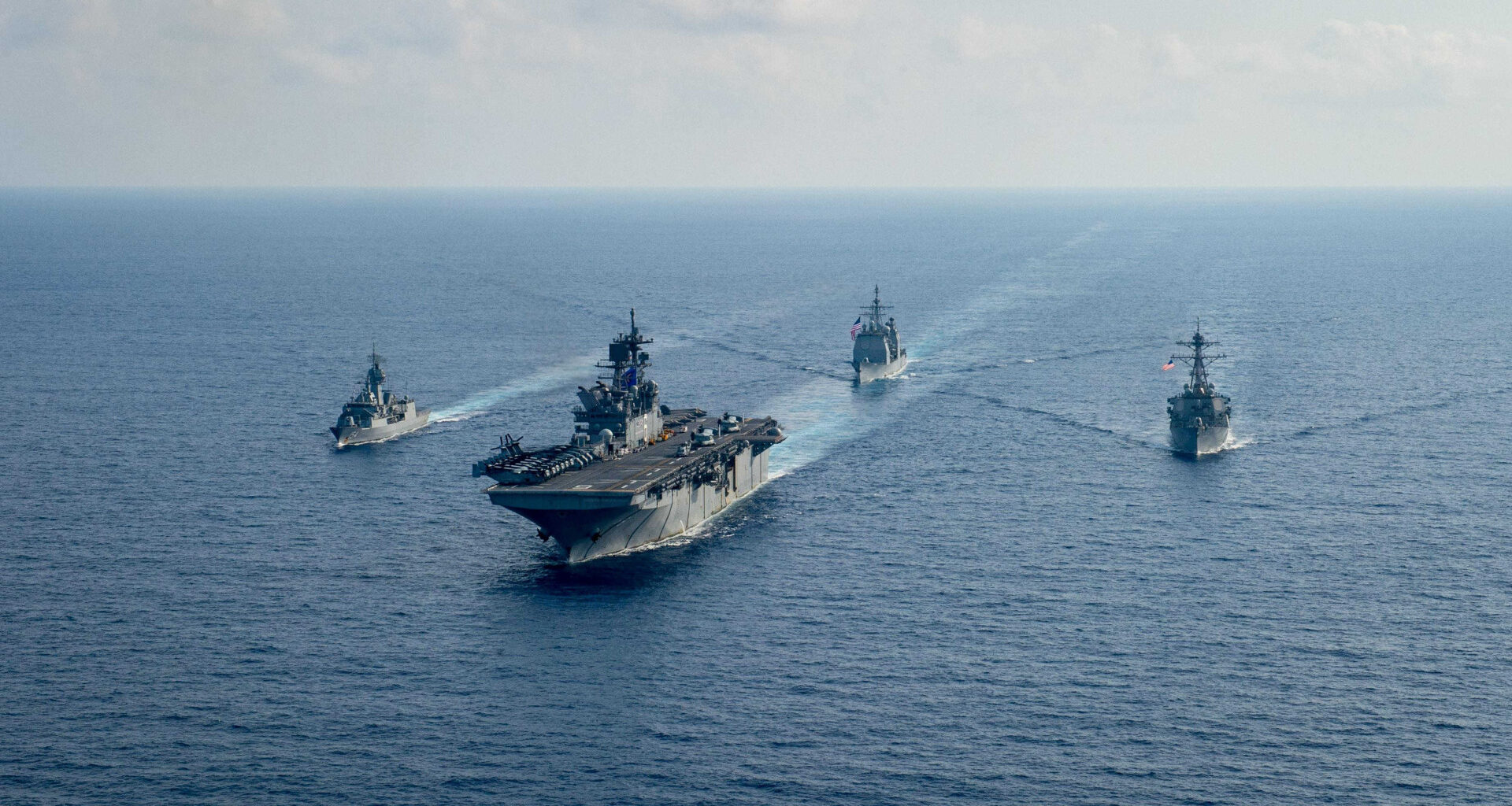
Since Trump’s warning, US and Israeli forces have engaged in a rapid
military buildup. The Pentagon has extended the deployment of the USS Harry S.
Truman Carrier Strike Group in the Middle East and deployed the USS Carl Vinson
Carrier Strike Group to the region. Fighter jets, including F-35 stealth
aircraft, and bomber squadrons have been dispatched, showcasing a formidable
display of air power.
Satellite imagery, analyzed by US and Israeli intelligence, reveals the
strategic positioning of at least six B-2 stealth bombers at Diego Garcia, a
remote US-UK airbase in the Indian Ocean. These bombers, capable of delivering
GBU-57 “bunker buster” bombs, pose a direct threat to Iran’s heavily fortified
nuclear sites at Natanz and Fordow.
Israel, meanwhile, has bolstered its defenses, receiving substantial
military reinforcements from Washington. Tel Aviv has revised its defense
strategy against potential Iranian or Houthi missile strikes, enhancing its air
defense systems and deploying new early-warning sirens capable of sounding
alerts up to 10 minutes before impact.
Israel’s military capabilities, including its “Iron Dome”
system and its advanced air force, are a key component of the region’s military
balance.
Diplomatic Stalemate and Rising Threats
Despite Trump’s overtures, Iran has remained defiant, signaling
reluctance to engage in direct talks. Iranian President Masoud Pezeshkian
confirmed Tehran’s openness to indirect negotiations through intermediaries
like Oman but rejected direct discussions with Washington.
Iranian military leaders have issued their own warnings, escalating the
rhetoric. “If America or Israel bomb Iran under the nuclear pretext, Iran will
be compelled to move toward producing an atomic bomb,” Ali Larijani, a senior
adviser to Ayatollah Ali Khamenei, stated.
General Amir Ali Hajizadeh, commander of the Islamic Revolutionary Guard
Corps’ aerospace division, highlighted the vulnerability of US forces in the
region, stating, “The Americans have 10 bases in the region, particularly
around Iran. This means they are sitting in a glass house.”
Israeli media, citing Iranian military sources, reported that Tehran has
placed its armed forces on high alert and prepared 1,000 hypersonic ballistic
missiles aimed at Israeli and US targets, including Israel’s Dimona nuclear
facility. Iran has also demonstrated its growing drone warfare capabilities,
posing a significant threat to regional stability.
Regional Escalation and Strategic Calculations
The Iranian nuclear standoff is further complicated by escalating
regional conflicts. US forces have intensified strikes against Iranian-backed
Houthis in Yemen, who have renewed attacks on commercial and military vessels
in the Red Sea. US Central Command’s top general, Michael Kurilla, recently
held talks in Tel Aviv with Israeli military officials about potential
coordinated responses to Iranian retaliation.
Although Israeli officials have not confirmed direct participation in an
attack on Iran, an Israeli military source told The Sun that the opportunity to
strike Iran’s nuclear program was “long overdue.” “With Donald Trump back in
the White House, now is the optimum moment to deal with Iran,” the source said.
While some US officials stress that Washington does not seek war, others
have adopted a more hawkish stance. National Security Adviser Michael Waltz has
stated that Iran must agree to “full dismantlement” of its uranium enrichment
program or face consequences.
However, intelligence assessments suggest Iran has not resumed its
nuclear weapons program. “We continue to assess that Iran is not building a
nuclear weapon, and Khamenei has not authorized its development,” Director of
National Intelligence Tulsi Gabbard told lawmakers last week.
Uncertain Path Forward
As the deadline for negotiations looms, analysts warn that the situation
remains highly volatile. Trump’s envoy for Middle East negotiations, Steve
Witkoff, has insisted that diplomacy remains an option. “There’s no reason for
us to do this militarily. We should talk,” he said in an interview.
However, recent official warnings from both sides, coupled with the
ongoing military buildup and regional escalations, paint a grim picture. In
2025, the risk of a full-scale conflict has increased substantially. The
delicate balance between diplomacy and military action hangs precariously, with
the potential for devastating consequences. The coming weeks will determine
whether the region descends into war or finds a path toward de-escalation.