A new wave of biobased offerings is trading fossil fuels for the likes of bacteria and castor beans, tapping nature’s chemistry to re-engineer synthetics.
For the first time, scientists successfully genetically engineered microbes to produce a strong, flexible plastic akin to nylon, according to a recent report in Nature Chemical Biology.
On the heels of this development—authored by multiple scientists at the Korea Advanced Institute of Science and Technology and the Korea Research Institute of Chemical Technology—several brands and sustainable textile producers shared updates and breakthroughs for the fashion industry’s application, a shift reflecting the sector’s growing urgency to decarbonize without compromise.
Pangaia

“Designed to reduce the environmental impact of traditional petrochemical-based alternatives, (gaia)PLNT Nylon transforms castor oil-derived monomers into high-performance polyamide (PA), redefining the future of performance wear,” the company said.
Courtesy
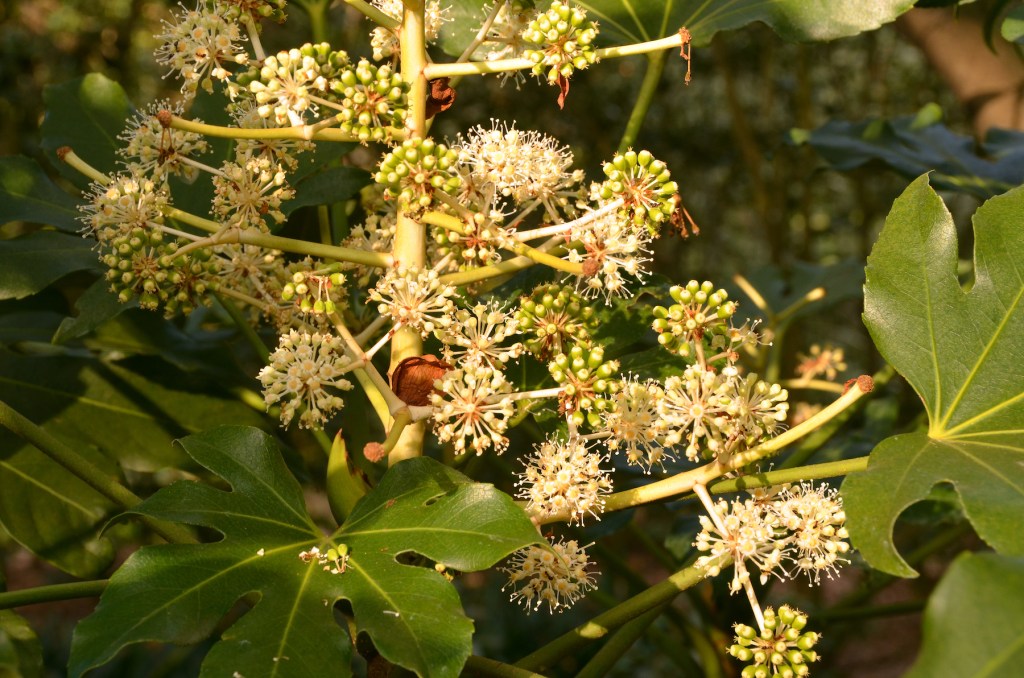
Pangaia has released the (Gaia)Plnt Nylon capsule, crafted from 100-percent biobased nylon as a “forward-thinking alternative to fossil-fuel-derived materials.”
The collection, which channels a utility-inspired silhouette, was created from castor seeds during a process that “transforms renewable biomass into high-performance polymers,” the U.K.-based material science company said, with each piece designed and crafted in London.
“I think what’s quite exciting about this is we’re seeing it in a context of a premium and durable material; synthetics have been quite an interesting conversation in the material inno space,” Chelsea Franklin, Pangaia’s head of advanced concepts, told Sourcing Journal. “While 64 percent of materials produced for the industry are synthetic—and majority of that is polyester and conversations have often been around polyester—we [Pangaia] see nylon as an interesting synthetic to tackle.”
Which tracks, as the Sheikh Tahnoon bin Zayed Al Nahyan-led label said it avoids incorporating polyester outside of necessity.
Pangaia’s (Gaia)Plnt Nylon capsule collection is made from Evo by Fulgar: a completely biobased yarn derived from castor oil. The Italian mill Olmetex turns Fulgar’s polymer into high-quality fabric, which Pangaia then uses as a sustainable swap for traditional nylon. Evo helps tackle the issue of fossil fuel reliance on synthetics, Franklin said, by starting with castor seeds instead of petroleum, which is what makes it more sustainable. Pangaia’s role as a brand, she continued, is to collaborate closely with mills and help bring innovative materials to market. By incorporating Evo into this drop, Pangaia said it can act as an accelerator, potentially speeding up industry-wide adaption.
“It fits quite nicely into the three-pronged material strategy we’ve got,” added Maria Srivastava, Pangaia’s chief impact officer.
Those pillars include developing proprietary, patented materials before co-developing materials through joint agreements and finally adopting existing materials—such as biobased nylon—and integrating them into collections.
“The ultimate aim has always been to bring innovation to life through everyday lifestyle products,” Srivastava said—just not under a bell jar. Franklin agreed, stating that Pangaia takes the approach of managing risk.
“As a brand, we also pursue innovation that’s much more reliable and proven—in terms of regenerative solutions, for example, where the benefits are happening on an agricultural level—but the actual output is still cotton or Merino, things that we know that we can count on,” Franklin said. “But there are certain instances where we pursue ‘world firsts’ breakthrough technologies. It’s really about balancing those things across our portfolio and our efforts.”
Aquafil
“By overcoming the fiber separation barrier, the company can now unlock the potential of materials that were once discarded,” Aquafil said.
Courtesy
Aquafil has allegedly found a way to separate the formerly inseparable.
After over a decade of “relentless research,” the Italian textile manufacturer unveiled the reportedly world’s first demonstration plant capable of chemically separating elastic fibers from nylon.
With the launch of this pilot plant, Aquafil said elastic fibers can be effectively separated from nylon into blended fabrics. By overcoming the fiber separation barrier that’s hindered composite textiles from being recycled, the company said it can now “unlock” the potential of these previously discarded materials. To do so, Aquafil has built a network of partners to “secure a steady supply” of post-use materials and “ensure the development of a robust, efficient recycling supply chain.”
“With this project, Aquafil proves that vision, dedication, and innovation can transform the future of our industry,” said Giulio Bonazzi, CEO of Aquafil. “This milestone demonstrates how cutting-edge technology can tackle even the toughest environmental challenges—turning waste into value and advancing the shift to a truly circular economy.”
The nylon recovered through this process will be regenerated at the company’s Econyl plant, to be then “transformed” and ready for new textile applications.
Lululemon Athletica
Lululemon and ZymoChem have signed a multi-year deal to expand the use of plant-based nylon.
Courtesy
Lululemon announced a multi-year collaboration with ZymoChem to expand the brand’s use of biobased nylon. Together, Lululemon and the biotechnology firm will “sustainably transform” a key building block of nylon 6,6—one of Lululemon’s favorite fabrics—for greener production processes.
Lululemon and ZymoChem began collaborating last year, following the yoga pants purveyor’s initial investment supporting technologies solving to create a biobased version of adipic acid: one of nylon 6,6’s key chemical building blocks traditionally sourced from petroleum. As ZymoChem’s Series A funding round closed at $21 million last January, the next phase of this partnership will focus on scaling the biotech company’s technologies in efforts to commercialize the biobased alternative.
“What truly sets ZymoChem apart is their groundbreaking technology, which is capable of producing a bio-based material to create sustainable nylon 6,6 that provides the same look, feel, and quality expected from our high-performance products,” said Yogendra Dandapure, vice president of raw materials innovation at Lululemon. “By continuing to expand our partnerships with forward-thinking leaders like ZymoChem, we’re creating multiple pathways to transition to sustainable materials across our product portfolio.”
The San Leandro, California-based company is dedicated to developing microbes and bioprocesses for the eco-friendly production of chemicals from renewable resources. Founded in 2013, the Fashion for Good 2023 Innovation Program finalist offers biobased materials powered by proprietary carbon conserving (C2) microbes that convert renewable feedstocks into high-value materials while minimizing CO2 loss during the production phase.
“We spent years refining our patented Carbon Conserving process with a vision to develop a sustainable version of nylon,” said Harshal Chokhawala, co-founder and CEO of ZymoChem. “We are thrilled to have deepened our engagement with Lululemon, setting the stage for our technologies to deliver biobased and decarbonized nylon on a global scale.”
The move comes about a year after Lululemon introduced its first enzymatically recycled polyester product to the market. Last April, the “Be Planet” campaigner dropped the limited-edition Packable Anorak, “powered” by the brand’s multi-year collaboration with Australian environmental technology startup, Samsara Eco.
This move, meanwhile, followed Lululemon’s interest in textile-to-textile recycling, as was made clear in April 2023 when the Calvin McDonald-led label took a minority investment stake in the Sydney-based B Corp—known for its patented enzymatic process breaking down high-performance nylon and polyester polymer blends to use as new fibers—though the amount was undisclosed.
Unifi
“REPREVE with CiCLO technology enables synthetic fibers to naturally biodegrade under prolonged exposure to moisture and microorganisms, significantly reducing the time synthetic fibers (microplastics) remain in the environment,” Unifi said.
Courtesy
Unifi has launched Repreve with Ciclo technology, recycled polyester and nylon embedded with a biodegradable technology that allows synthetics to break down naturally. Repreve with Ciclo was created in collaboration with Intrinsic Advanced Materials, a joint venture between Parkdale Advanced Materials and Intrinsic Textiles Group.
“We can always do more to lessen our environmental impact throughout the product life cycle,” said Eddie Ingle, chief executive officer of Unifi. “Our collaboration with Intrinsic Advanced Materials addresses the worldwide issue of synthetic microfiber shedding by providing a globally available solution that mills, brands, and retailers can now integrate to reduce microplastic fiber pollution.”
Repreve fibers enhanced with Ciclo technology incorporate a patented additive that helps synthetic yarns behave more like natural fibers (such as wool) specifically in how they break down.
Designed to biodegrade in environments like soil and seawater, these fibers allegedly address the persistent problem of microplastic pollution “without compromising” durability, dye uptake or performance. By accelerating the breakdown of synthetic materials through exposure to moisture and microbes, Ciclo shortens the environmental lifespan of microfibers. Brands like Billabong, Champion and Target have reportedly adopted the technology as part of their sustainability efforts.
“Synthetic textiles are a major contributor to microplastic pollution, and it is a challenge that requires industry collaboration. This joint initiative integrates two powerful solutions—Repreve and Ciclo technology—to help maximize recycled content while addressing microfiber pollution at the source,” said Cheryl Smyre, vice president at Ciclo’s parent company, Parkdale Advanced Materials. “As brands navigate growing sustainability commitments and regulatory demands, the collaboration delivers a proven and effective solution that empowers brands to address two critical environmental issues while preserving performance and recyclability.”