In early 2025, multidisciplinary artist Frances Cannon (who uses they/them pronouns) suffered with some serious artistic block, and it was affecting both their confidence and their income. Cannon’s artwork is well-known online and they have been sharing their celebratory, whimsical and inclusive digital pieces via social media for about a decade.
Their work circulates widely, posted to Instagram stories or turned into line-drawing tattoos, because people love their way of seeing the world and the magic of the diverse, queer bodies they depict.
Cannon posted about their art block to their nearly 180,000 Instagram followers in the form of a slide show of drawings. “I’m having terrible art block – usually I can snap out of it pretty quick/but right now I feel so stuck/and like everything I make is silly/but I have to remember it’s all part of the process/and the muse will come back to me when she’s ready,” the tiles read.
Their words resonated. Other artists and creatives commented how they felt comforted by the post. “This is brilliant, thank you,” one commenter said, while another said they suffered too.
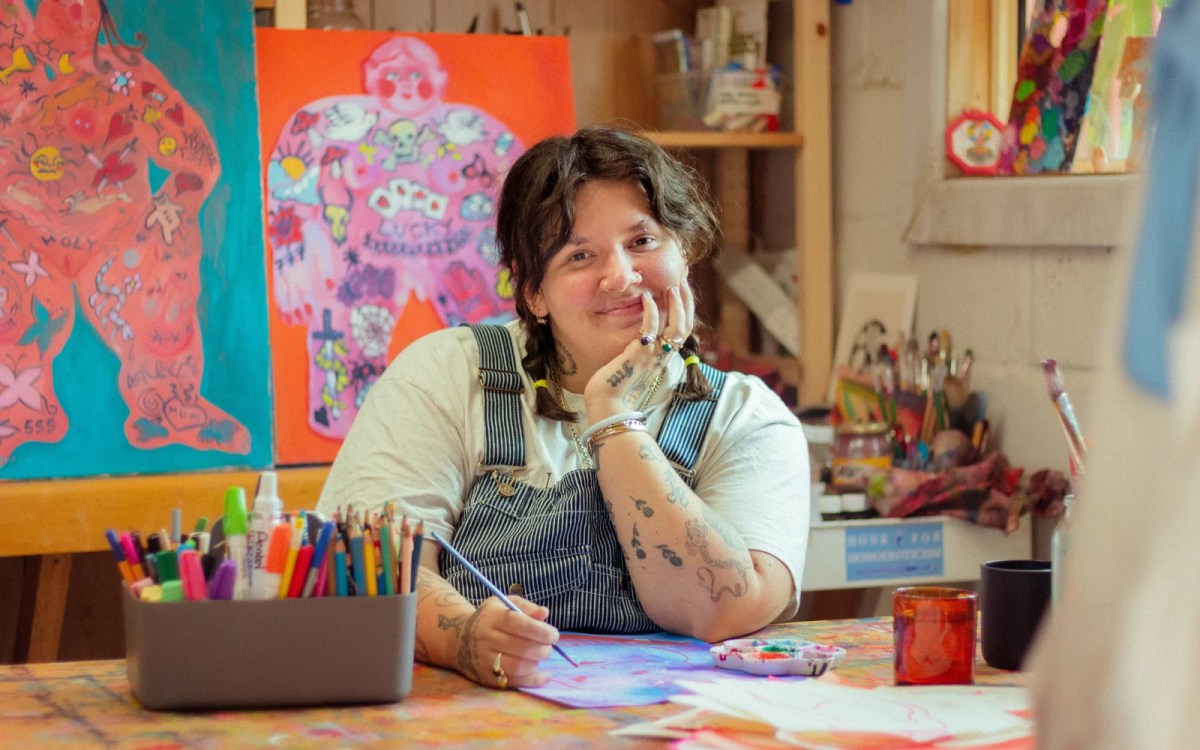 Frances Cannon. Photo: Ariana Rodriguez.
No silver bullets
There isn’t a silver bullet to overcoming creative lulls, as creativity guides from Julia Cameron’s The Artist’s Way to Elizabeth Gilbert’s Big Magic will tell you. That means when you have a dedicated online following waiting to see your latest work, it can be hard. Cannon recognises art block as being a part of life as a creative person, and sees rest as important as the making.
“I think there is a lot of shame around art block, as well as a lot of pressure to be constantly creating,” Cannon says.
Read: 5 tips to beat writers’ block
“Social media adds to this pressure a lot and I thought it was important to counter that by reminding people it is absolutely OK and normal to have times of feeling blocked.”
Creative arts psychotherapist, Lou Platt, founder and director of the UK-based Artist Wellbeing Company, agrees and says it may be worth looking at creative block as a “moment of yielding”, rather than something that needs to be pushed through.
“In a world of pressure and of having to keep generating because we fear we will become irrelevant or get lost in it all, we have to have courage that maybe the block is telling us that we need to retreat and we need to go fallow, because we are a part of nature,” Platt says.
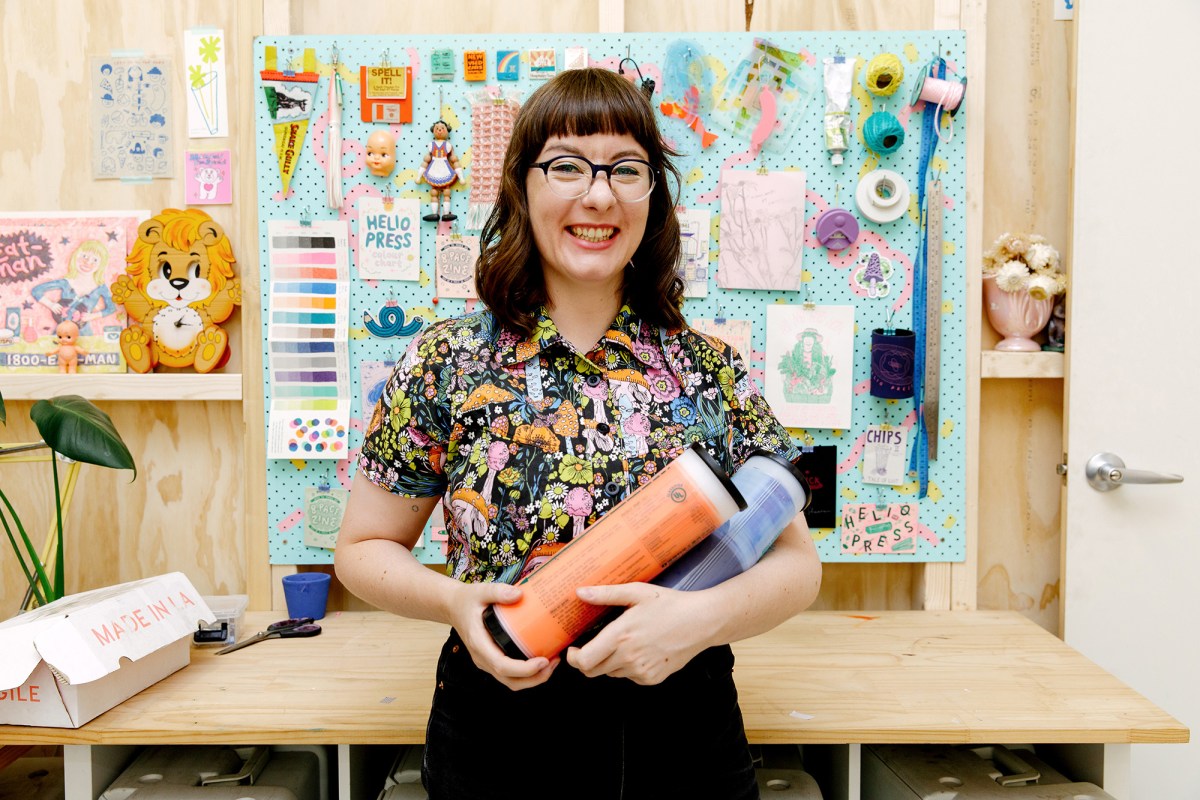 Ashley Ronning. Photo: Tatanja Ross.
Ashley Ronning is a beloved illustrator, artist and risograph printer based in Naarm/Melbourne, and has been working as an artist for more than a decade while also sharing her work online. She says the way she deals with creative block has changed through the years.
“These days I have built up a lot of good practices around brainstorming and generating ideas, which helps get the gears moving a bit more easily. For commercial work I can’t afford to waste time being stuck, so I have to find a way forward no matter what,” Ronning says.
“I also have a lot less time for personal creative work at the moment, so any chance to make something for myself feels urgent and exciting.”
When she’s stuck now, however, it’s usually related to pressure around achieving a desired or certain outcome.
“I think we need to be more realistic about how common art block is, but we also need to take pressure off ourselves,” Ronning says.
Read: Working through your creative blocks
“It’s not necessary to jump through some magical hoop to beat an art block, we usually just need a break or need to try something new.”
Ways to combat blocks
Platt is a practitioner of internal family systems psychotherapy, and says that seeing the self in parts rather than in totality can be useful when exploring creative block.
“If you say, ‘I have a creative block and a part of me is scared’, you have an ability to then unblend from that part, and it will take up less territory inside, so you’re less fear driven,” Platt says.
“Then you can become curious about what’s happening in the creative block.”
Platt asks artists to think about their lives and creativity in two cups. In one hand they have the cup of personal vulnerability, which holds the reasons they are making art, and in the other hand is their creative vessel.
“An artist has to pour that cup of personal vulnerability into their creative vessel and then hold that with creative indifference, because society always has used, and has to use, art and therefore the artist in a way that they need to use them,” Platt says.
“They want to destroy that art. But if the artist feels that they are going to be destroyed if somebody doesn’t like their art, that blocks, but these things happen unconsciously.”
Increased pressure
Cannon also says that, for them, it’s harder to be an artist online in 2025 than it was 10 years ago – so there’s more pressure too.
“These days it’s much harder battling with algorithms and AI and being shadow-banned for speaking out for what you believe in,” Cannon says.
“Four years ago I was full-time freelance, whereas now I have a part-time ‘regular’ job and I know I’m still very privileged to be able to say that I was able to make a living off my work at least for a few years, but the difficulties that artists face are growing and growing and it’s scary out here – no matter where you are in your art career.”
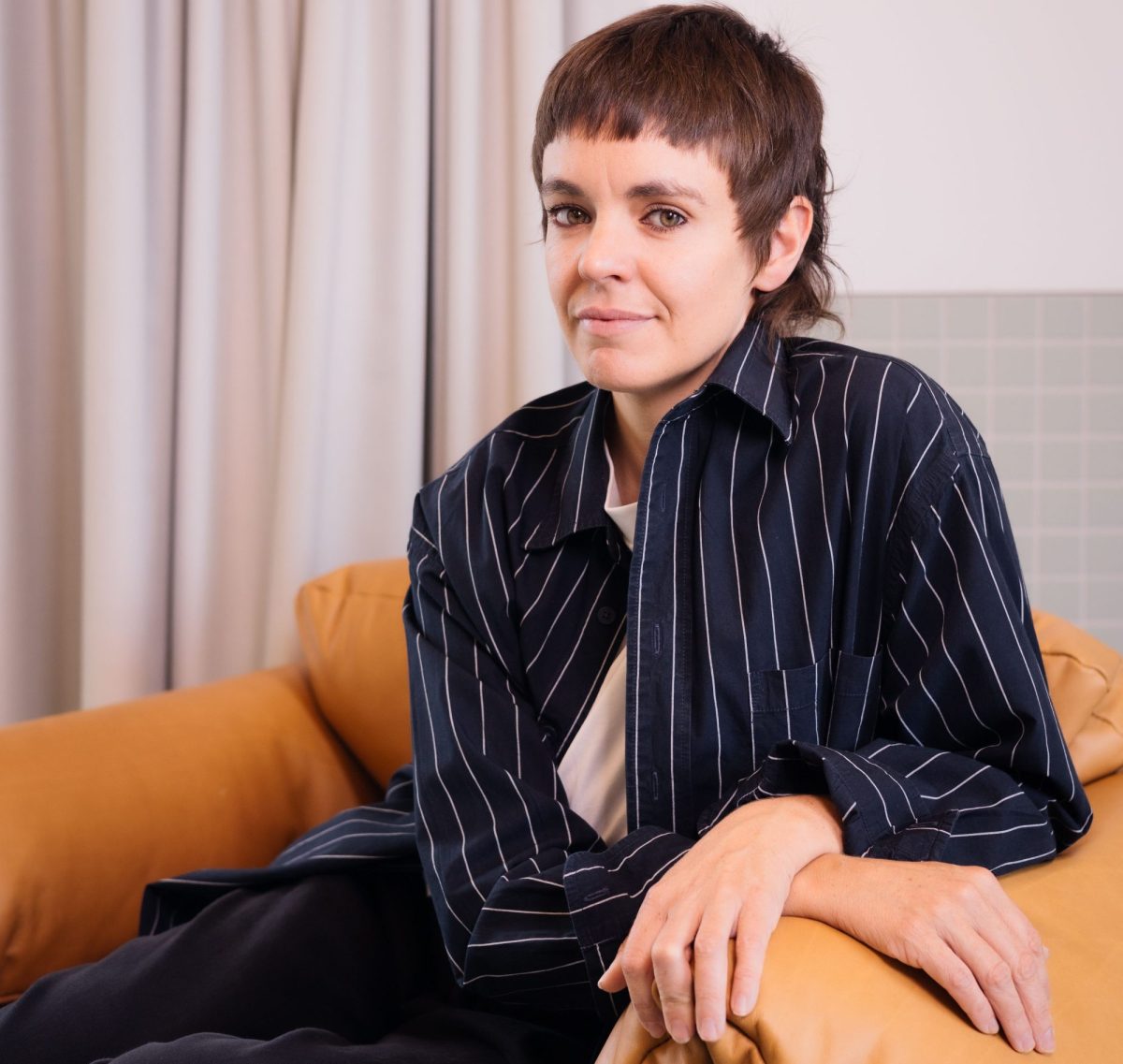 Alle Richards. Photo: Bec Capp.
Writer and author Allee Richards is currently navigating the longest period of writer’s block she’s experienced in years.
Since Richards submitted her third novel to her agent in October last year, she has not written, and she has no plans to write. She wonders if it’s just her, or the state of the industry.
“There are no ideas. At least not ones that will draft themselves in my head while I’m walking – I’m approaching six months, which is by far the longest time in 13 years,” she says.
However, she too questions whether creative or writer’s block is as implicitly bad as many of the conversations around it seem to suggest.
“Lately I can’t stop thinking, ‘Well, so what if I don’t write again?’ I think deep conversations about what it means to create and whether it matters if or when you stop are needed more,” Richards says.
“In fact, I’d love to hear from more people who have quit and how they feel about it several years down the line.”
Cannon says that, for them, a helpful tool for getting back into a creative mindset is to make things with other people, whether that’s sketching together in a coffee shop, drawing over an iced latte or watching a film together.
“Art is a lonely career a lot of the time – in the in-between moments, it’s important to connect,” they say.