Rachel Reeves has said that Britain’s trading relationship with the European Union is more important than the one with the US.
The chancellor is due to meet Scott Bessent, the US Treasury secretary, on Friday in the hope of making a breakthrough in getting a new economic deal to lift the worst of President Trump’s tariffs.
However, she said that the UK’s relationship with the EU was “arguably even more important”. The UK is seeking a new deal with the EU to bring it into the closest alignment with Brussels after Brexit.

Sir Keir Starmer met Ursula von der Leyen, president of the European Commission, in Downing Street on Thursday
SIMON DAWSON/NO 10 DOWNING STREET
Sir Keir Starmer is expected to unveil the EU deal at a conference in London on May 19. It will include a new UK-EU defence pact giving British defence companies access to a €150 billion EU-backed loan scheme for rearmament.
It will also include concessions to Brussels on fishing quotas and reduced checks on British food exports in return for Britain’s agreement to follow the EU’s existing and new agricultural standards. It is also expected to include broad plans for a youth mobility deal to allow thousands of young British and European people to work and study across the continent.
Reeves said in Washington: “I understand why there’s so much focus on our trading relationship with the US but actually our trading relationship with Europe is arguably even more important, because they’re our nearest neighbours and trading partners.
“Obviously I’ve been meeting Scott Bessent this week while I’m in Washington, but I’ve also this week met the French, the German, the Spanish, the Polish, the Swedish, the Finnish finance ministers — because it is so important that we rebuild those trading relationships with our nearest neighbours in Europe, and we’re going to do that in a way that is good for British jobs and British consumers.”

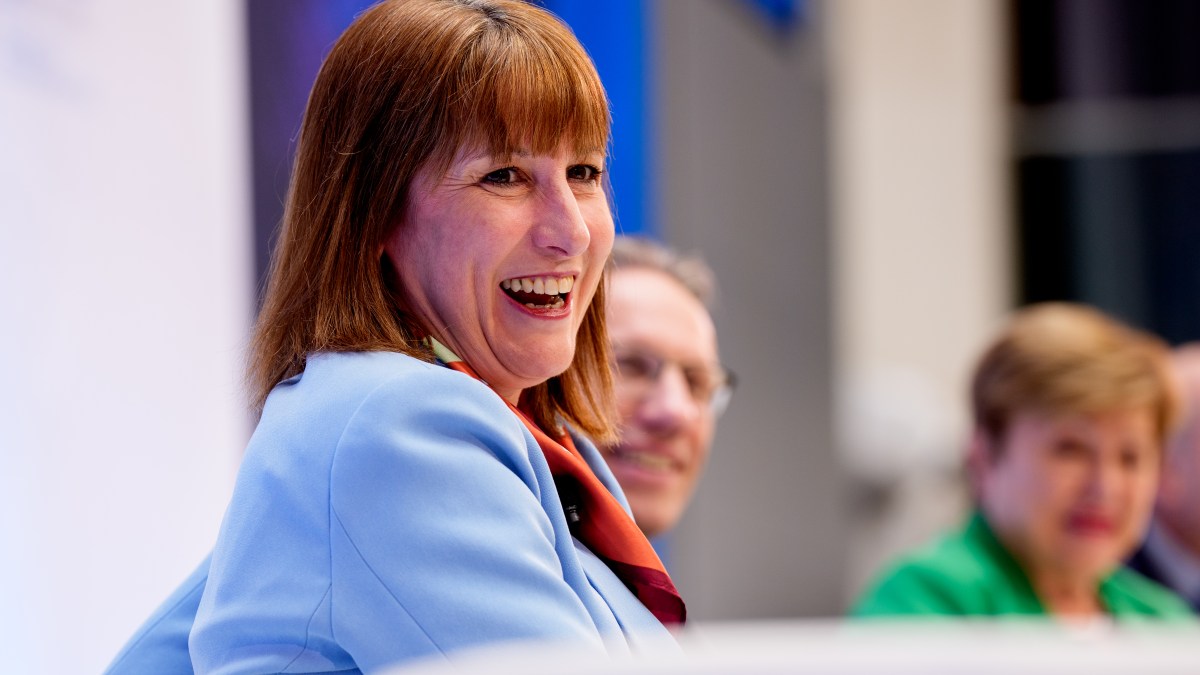
Reeves said she had met representatives from numerous nations during her trip
ELIZABETH FRANTZ/REUTERS
Yvette Cooper, the home secretary, is open to a “one in one out” youth mobility scheme with the EU. She had been seen as the biggest stumbling block to a deal because of concerns that an agreement could push up politically sensitive net migration figures.
However, government sources insisted that Cooper now supported the plan in principle, as long as it was capped to ensure that there could be no return to pre-Brexit freedom of movement.
One option may be to limit numbers so that the total number of young Europeans coming to live and work in the UK did not exceed the number of British people going to Europe. Another possibility would be to set a proportionate cap with a defined limit each year.