
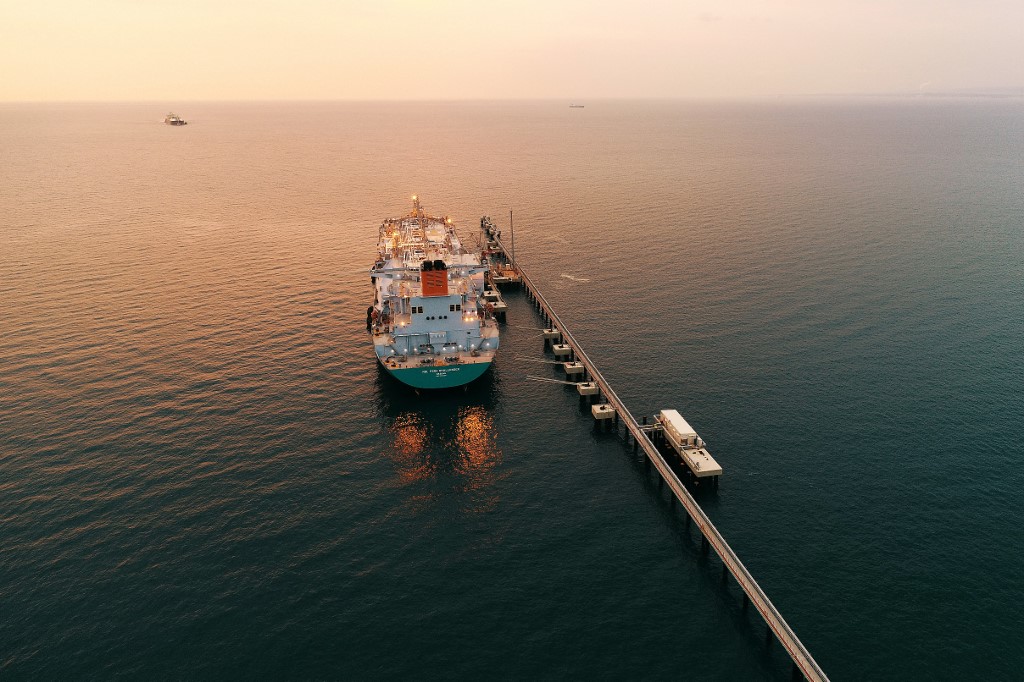
Frontera Energy has floated plans for a new LNG import terminal on Colombia’s Caribbean coast amid government efforts to spur private investment in the sector.
The proposal coincides with fears that dwindling domestic production and surging demand – particularly from thermoelectric generators, distributors and industries – could lead to a gas supply shortfall by the end of the decade.
“Given the country’s need for imported gas volumes, we’ve been working on the possibility – and it’s a project that hasn’t yet been approved – of building a second regasification terminal in Cartagena, in Puerto Bahía,” newspaper La República quoted CEO Orlando Cabrales as saying.
“It’s a project we’ve presented to the market as a possibility [and] I believe this is a national solution.”
Colombia’s only existing liquefied natural gas import facility is the 400Mf3/d Spec terminal in Cartagena, which began operating in 2016. Energy officials have emphasized the need for additional import infrastructure on both the Caribbean and Pacific coasts to meet a widening supply-demand imbalance.
New rules, new players
In December, the mines and energy ministry issued a decree that established new rules for the commercialization of natural gas imports and the development of offshore gas areas.
Key provisions included flexible pricing and contractual terms for gas purchased on the international market, facilitating long-term supply agreements and infrastructure expansion projects.
Under previous rules, gas imports could only be used to fuel the country’s backup thermoelectric power plants.
The regulatory overhaul has triggered a wave of interest in potential new LNG import facilities.
In March, state oil company Ecopetrol said it signed a services contract with Puertos, Inversiones y Obras for a receiving terminal in the Pacific port city of Buenaventura and associated regasification infrastructure in Buga, around 100km away.
Global engineering firm Black & Veatch last year completed feasibility studies for another project in Buenaventura comprising a regasification terminal and an associated thermoelectric plant.
And last month, private developer Sociedad Portuaria Ciénaga LNG told BNamericas that it is moving ahead with plans to build new LNG infrastructure near the port city of Santa Marta.
Other Frontera gas plans
Cabrales also said Toronto-based Frontera would begin construction of a liquefied petroleum gas (LPG) import terminal alongside Chilean company Gasco in the fourth quarter this year.
In addition, Frontera is in talks with partner Parex to produce gas for commercial use at their B1 field in the Lower Magdalena Valley basin. Cabrales said gas from the field was currently being used for re-injection purposes to maximize crude oil output.
“The country needs to complement its gas production for the coming years,” he said. “I think the most important message is that all gas market players, along with the government, have to find the most efficient way to bring in that gas.”