What’s going on here?
The US dollar has had a mixed journey, declining against most major currencies except the Canadian dollar, as attention shifts to Federal Reserve talks and global central bank meetings.
What does this mean?
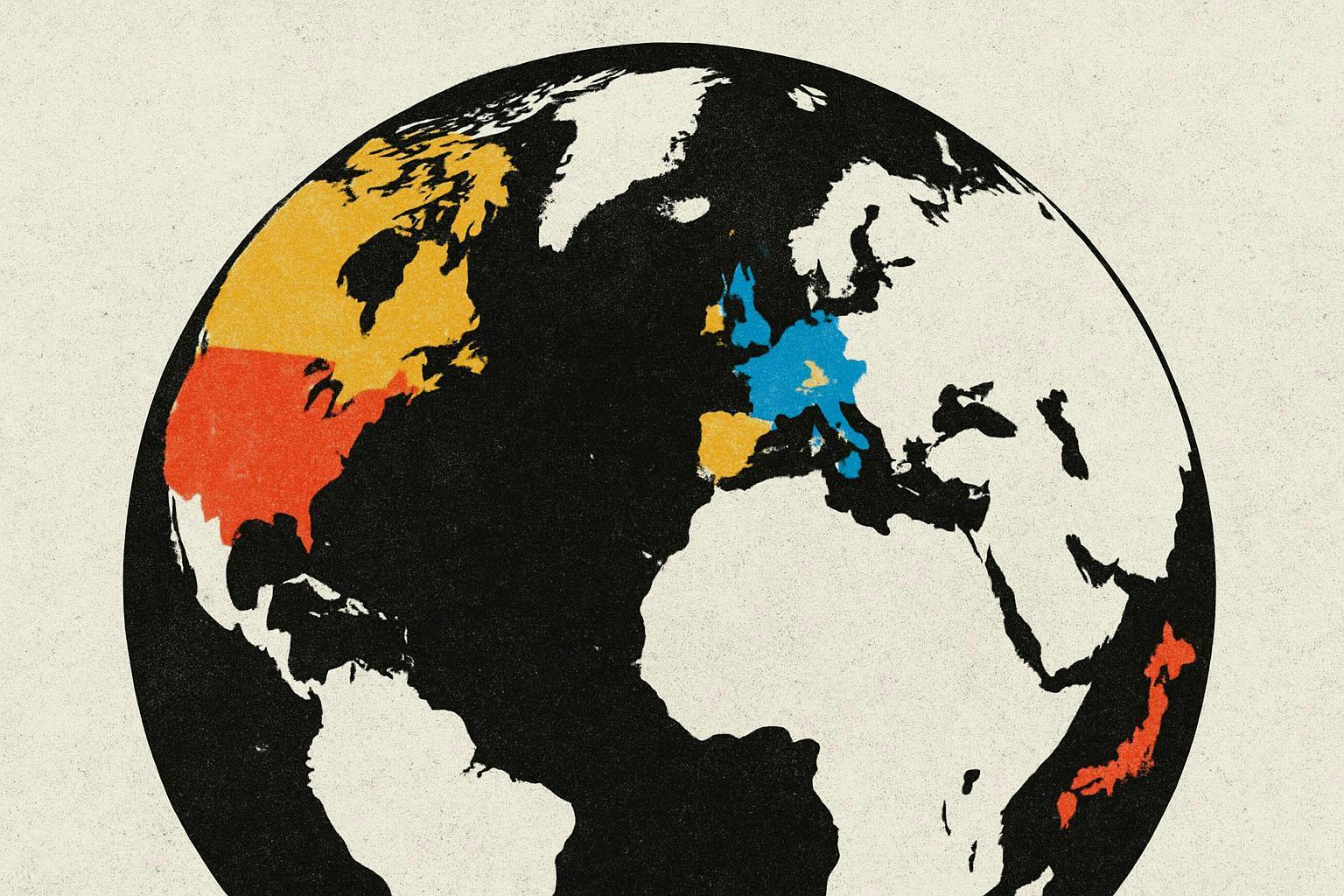
The foreign exchange market is currently in a state of flux as the US dollar experiences uneven performance due to various influences. The dollar has weakened against the euro and pound in anticipation of the European Central Bank’s early June meeting and the Bank of England’s mid-June discussions, both critical in shaping monetary policy directions. Conversely, the dollar strengthened against the Canadian dollar amid looming Canadian economic data, signaling a market on standby for the Bank of Canada’s signals. The yen also saw gains against the dollar, impacted by Japan’s slow producer price index growth and the impending Bank of Japan gathering. Domestically, steady mortgage rates have spurred home purchases, while energy markets await weekly petroleum data, potentially impacting oil prices and currency dynamics.
Why should I care?
For markets: Currencies poised for a dance.
As major economies gear up for pivotal central bank meetings, currency markets anticipate potential volatility. These monetary authorities’ decisions and communications will significantly influence interest rate paths and currency values. Investors should keep an eye on any signals that could sway market sentiment, especially those related to rate hikes or easing, likely to trigger shifts in regional economies and global trade flows.
The bigger picture: Central banks on the stage.
With the global economic recovery at a critical juncture, upcoming central bank meetings are pivotal in shaping financial markets and currency exchanges. The US Fed’s commentary sets a tone of anticipation, while the Eurozone, UK, Japan, and Canada are preparing to chart their monetary courses. These meetings will provide key insights into how major economies address post-pandemic difficulties and geopolitical tensions, potentially establishing new fiscal precedents in an increasingly interconnected global economy.