What’s going on here?
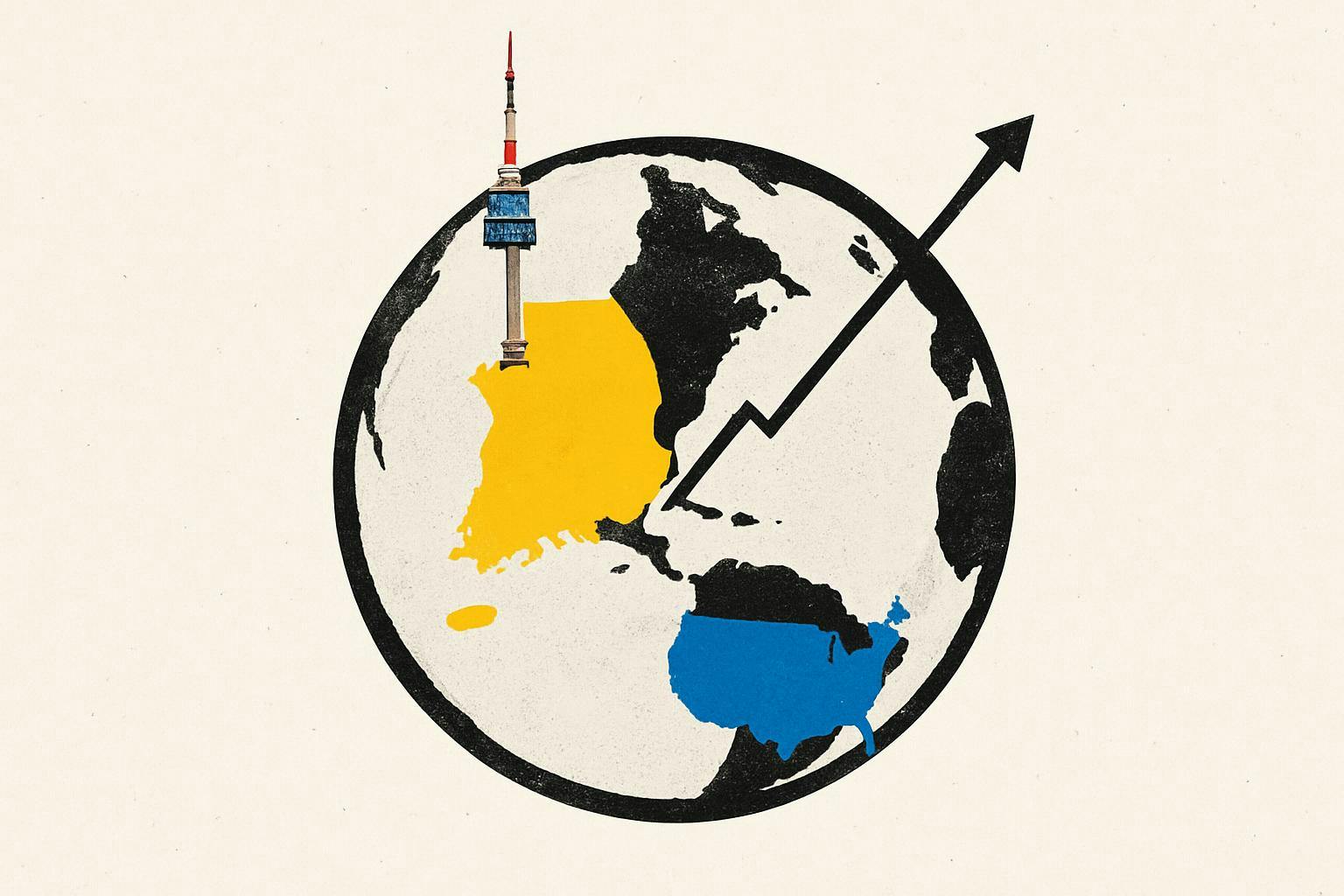
South Korean stocks took a hit as worries over US fiscal policy stirred global market jitters, impacting both the Kospi and Kosdaq indices.
What does this mean?
Concerns about the US debt crisis saw South Korea’s Kospi index drop by 1.22% to 2,593.67, while the Kosdaq slid 0.82% to 717.67. This pressure followed an analysis by the US Congressional Budget Office, which highlighted how former President Trump’s tax policies might inflate the national debt by $3.8 trillion over ten years. Echoing this fiscal strain, a House Republican bill aims to reinforce 2017’s tax cuts, potentially slicing federal revenues by a tenth. These jitters spotlight broader worries about global economic stability, rippling across South Korea’s export-dependent economy. The situation is worsened by a trade deficit, as the country’s exports and imports slipped in early May.
Why should I care?
For markets: Uphill battles on the horizon.
The US debt situation casts a long shadow on global markets, and South Korea isn’t immune. The Kospi’s drop hints at the fragility of investor sentiment, as fiscal uncertainties loom large. Companies with significant exports, like tech giant SK Hynix, are feeling the squeeze, especially as it navigates its own challenges – such as developing a cutting-edge mobile storage solution for 2026.
The bigger picture: Global economic echoes.
South Korea’s economic health, closely tied to global trade dynamics, is vulnerable to fiscal policy shifts thousands of miles away. With its exports dipping 2.4% and a resulting trade deficit, the country’s growth outlook is intertwined with international economic policies. Strategic moves by companies like Yuhan, which just inked a lucrative deal with Gilead Sciences, might offer a glimmer of optimism, though such announcements haven’t shielded them from market volatility.