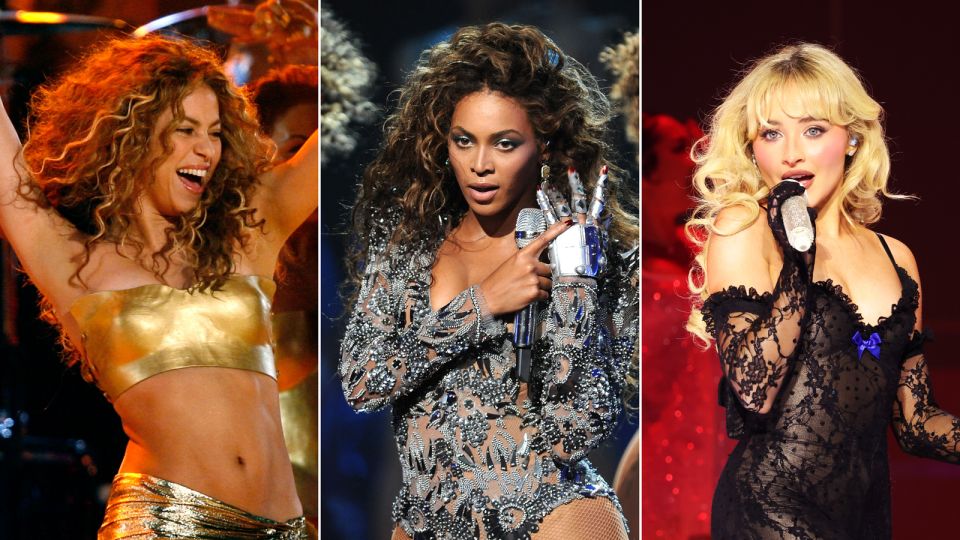
A night spent watching music videos is a most sacred ritual.
It begins, for me and my loved ones, when the night feels like it’s ending. It’s late, we’re drowsy and conversation is dwindling. Someone turns on YouTube and starts playing the music video to a song they love.
We perk up. Chappell Roan’s “My Kink is Karma” kicks us off. Inspired, my friend requests a video of Kelly Clarkson covering the same song. Then I request a Kelly Clarkson single that appeared in “The Princess Diaries 2.” And down the rabbit hole we go, spending hours singing and dancing along to music videos we haven’t seen in years. The night ends somewhere around Ludacris’ “Pimpin’ All Over the World.”
Stumbling into a music video marathon with friends is the ultimate bonding activity: It’s a nostalgia trip. A musical catharsis. A pop culture crash course. A “gay pastime.” And, thank goodness, mostly free!
But for its simple charms, it can provoke some remarkably deep revelations — exchanging memories surrounding the videos is how we learn each other’s lore.
“You’re saying something about your inner life, your story,” said Clay Routledge, a psychologist who studies nostalgia at the Archbridge Institute think tank. “You don’t normally think that watching music videos might do that.”
Music videos are our shared culture
Lakyn Carlton, a stylist and social media personality, perhaps said it best: “Watching music videos is a perfectly valid and, in fact, validly perfect party activity.”
Some of my fondest memories revolve around music videos: Watching Duran Duran’s “Rio” with my mom to better understand her teenage crush on Nick Rhodes. Returning home late with my college roommates, falling asleep to Shakira and Ciara. Waking up early before middle school with VH1’s “Jump Start,” trying to learn the words to the Rihanna and Taylor Swift songs my classmates were singing. Filming our own videos as kids with our parents’ bulky handheld cameras.
“Music is a powerful source of nostalgia, and we all have soundtracks to our lives,” Routledge said. “So when we hear old music, with memories attached to it, it does bring us back. It helps us make good contact with nostalgic memories.”
The ritual of music video marathons began for most in 1981, with the birth of MTV, where you could reliably catch instant classics like Michael Jackson’s “Thriller,” indie breakthroughs like the Talking Heads’ “Burning Down the House” and Dire Straits’ meta “Money for Nothing,” imagining a conversation between people who jealously fantasize about living like the artists they watch on (where else?) MTV.
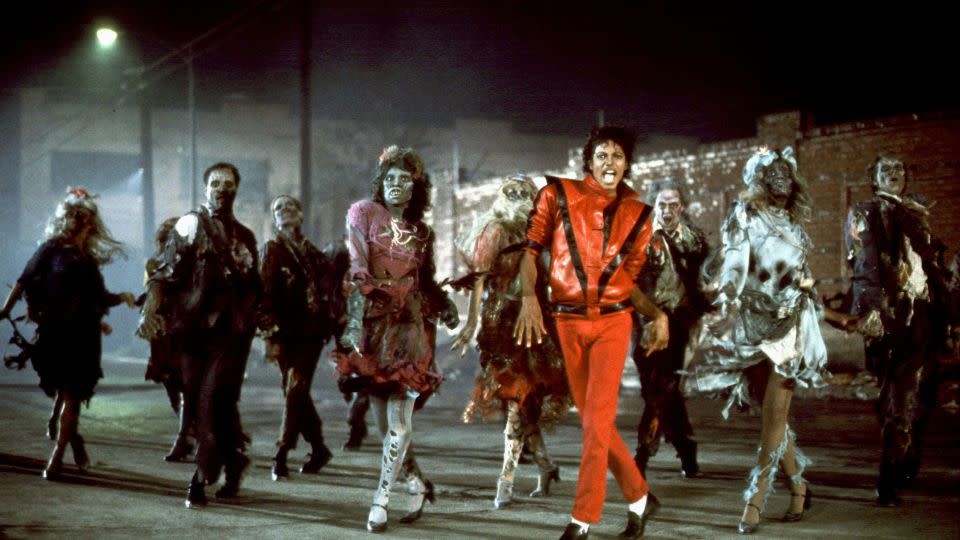
Michael Jackson’s “Thriller” is one of the most iconic music videos of all time. – Alamy Stock Photo
“Many a life-altering youth experience revolved around an MTV soundtrack,” Jamie Allen wrote for CNN in 2001, 20 years after the network launched.
The music on MTV was kaleidoscopic, even if it took the network several years to integrate videos from genres pioneered by Black artists. And it “managed to bring together people” whose tastes may never have overlapped on the radio, Syracuse University now-trustee professor Robert Thompson told CNN in 2001.
When MTV pivoted to reality programming full-time, music videos moved to YouTube, where many of them have since racked up billions of views, even if they premiered on cable. And that’s where many younger Millennials and Gen Z music lovers first fell in love with the artform.
“People might think pop culture is kind of superficial, but oftentimes, it tells the story of a time — the story of a time we were a part of and connected to,” Routledge said.
They’re a bonding mechanism
Nostalgia, Routledge said, very often turns contagious. Once someone starts dreamily revisiting a teenage episode of their lives, even if the disclosure is inspired by Britney Spears’ airplane-set “Toxic” video, it opens the door to get to know them better — and for the rest of the attendees of a music video night to share their own stories.
“People kind of think of nostalgia as this personal experience, but so much of nostalgia is an exchange with other people,” Routledge said. “‘I remember where I was, here’s my story’ — there’s self-disclosure there. We’re building the closeness of our relationships because we’re revealing more about our personal lives.”
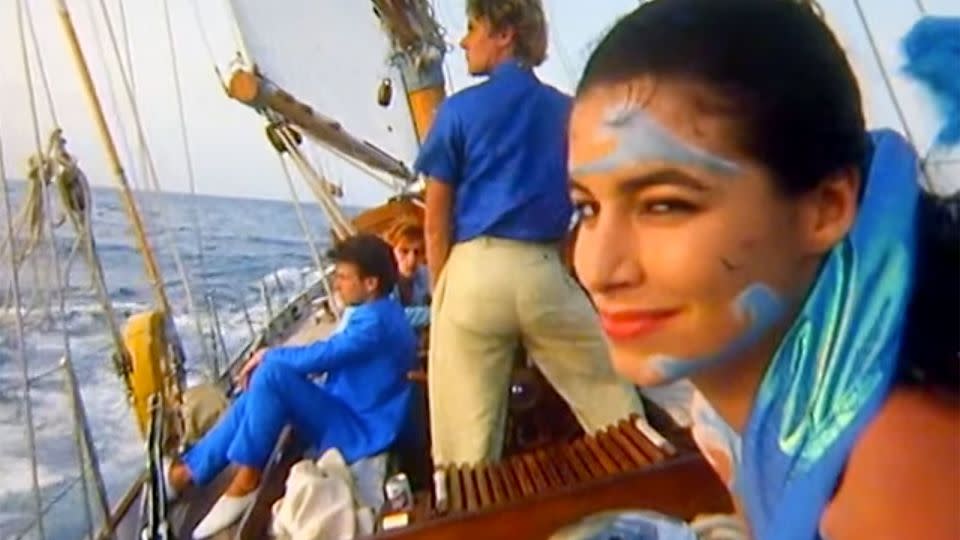
Duran Duran’s video for “Rio” was an MTV mainstay. – From Capitol Records
Victoria Arguelles, a content strategist at an ad agency, recently moved back to her hometown of Miami. But she treasures the nights in New York when she and her friends would meet up for “Frigay,” their name for the standing appointment of watching older music videos before hitting the town.
“It unlocked a ton of memories,” she said of the weekly tradition.
Whether spinning in circles to Madonna’s “Ray of Light” or shocking themselves by discovering the moves to Lady Gaga’s “Judas” still lived in their bodies, Arguelles and her friends strengthened their bonds through song and dance. They’d often continue the music video marathon once they returned home from the bar, sometimes into the early morning.
“Everyone had different memories attached, but we all somehow knew the same choreography,” Arguelles said. “So our friend group was very much the meme of ‘gay people love to get together and watch music videos for hours,’ because we do!”
Music videos are a fast-track to nostalgia
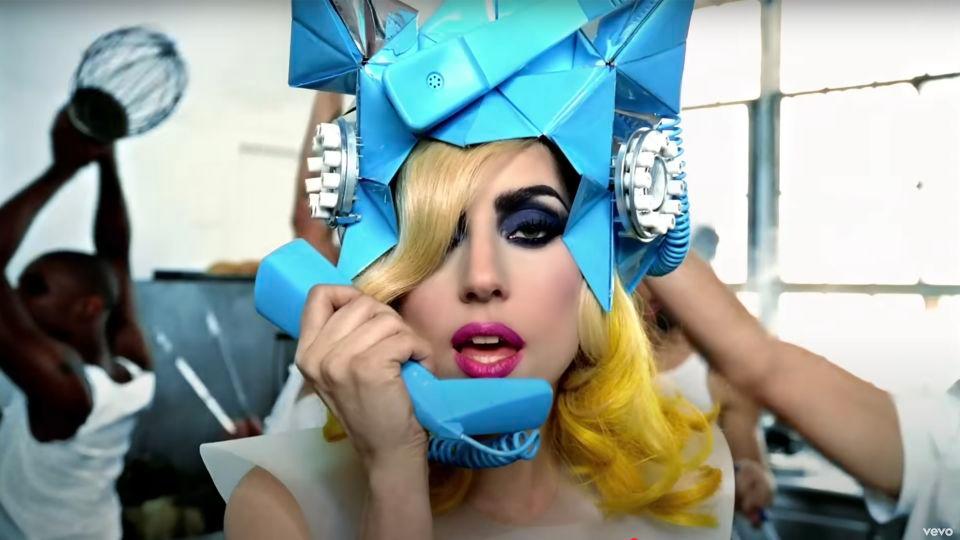
Lady Gaga’s 10-minute “Telephone” video depicts the singer in a romantic relationship with Beyoncé, her partner in crime. – From Lady Gaga/YouTube
My first music video request is always Lady Gaga’s “Telephone,” because every time it plays, I’m suddenly 12 again, lying on my stomach on the carpet of my friend Katie’s living room, noodling around on her laptop when we first watch the video that blows our minds.
We were hanging out in between school and rehearsal, in the time of our lives before we rebuilt our identities as teenagers. We were energized by Gaga’s anarchic vision of a Bonnie-and-Clyde romance with Beyoncé. Watching the “Telephone” video’s near-nudity, f-bombs and lesbian love affair felt like a portal to a more adult world.
Most of my friends have similar stories about music videos stirring something in them, or symbolizing a time in their lives they never thought they’d miss. And without music video nights, we wouldn’t have such a convenient occasion on which to share those stories.
So I asked my friends about some of their most treasured nights spent with music videos. Logan remembered discovering Billie Eilish from her college apartment couch. Elly said she and her friends still turn pretty much every girls’ night into a music video marathon, touching everything from A$AP Rocky to early 2010s J-pop to OK Go’s perfectly synchronized romps. Hellen recently revisited Vanessa Hudgens’ videos that used to play during Disney Channel commercial breaks and filmed herself relearning the choreography. Lexi carefully curates hers with Janet Jackson, Mandy Moore and Mariah Carey, comparing her playlists to a “karaoke night but for free” and with “no limit on how much time you have.”
More than a few of my friends told me they started the music video nights with the intention of venturing out late, but they ended up staying in and singing together instead.
There’s an emphasis on videos that are 10, 20, even 40 years older on music video nights mostly because they’re part of the pop cultural language we share with our friends, but also because artists just aren’t cranking out classic videos like they used to. Still, there’s Sabrina Carpenter’s gory, sapphic video for her hit “Taste,” and Chappell Roan’s clips have a scrappy DIY charm. And of course, video queen Gaga has wormed her way back into my rotation with “Abracadabra.”
That video feels like it’s nostalgic, too, for the era of Gaga’s career when dark, dance-y videos for “Telephone,” “Bad Romance” and “Alejandro” were viral hits. So when “Abracadabra” comes on now, it takes me back to that time.
“There are a lot of things that we do on the surface that just seem kind of fun or superficial or not really that meaningful,” Routledge said. But popular cultural artifacts, including the music videos we obsessed over as kids, give us a “reason to talk about something.”
“You end up sharing what you were feeling at the time,” Routledge said. “It’s going beyond the superficial conversation to sharing things. And nostalgia helps us do that, because, in a way, that makes us feel connected to these memories. And then you’re revealing something, right?”
For more CNN news and newsletters create an account at CNN.com