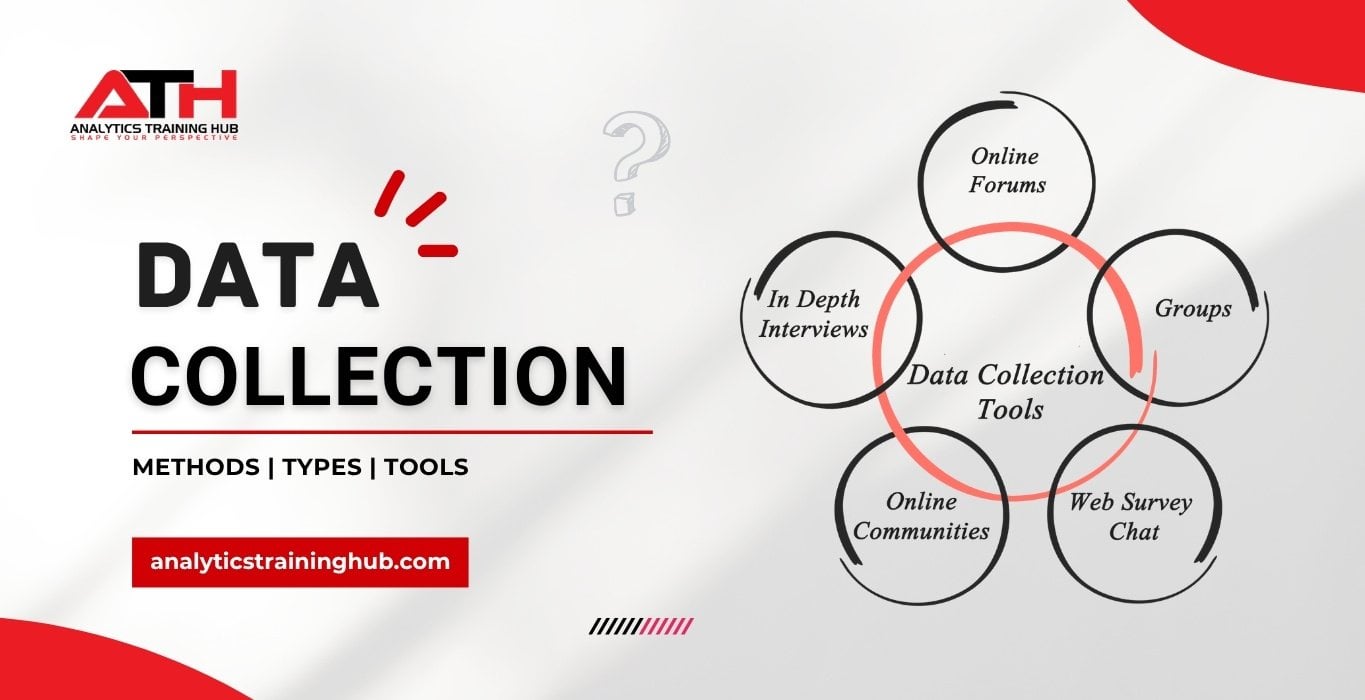
Examples of primary data collection techniques are:
-
Surveys and Questionnaires: Surveys and questionnaires are established sets of questions to solicit responses from individuals or groups. These can be done in-person, by telephone, through email or via an online platform.
-
Interviews: An interview involves direct interaction, whether in person or virtually, with the research participant. Interviews can be structured (with a fixed set of questions), semi-structured (some guided and some open), or unstructured (free flowing). Interviews can be done in a face-to-face format, or via telephone or video conferencing.
-
Observations: Researchers observe participants or subjects under natural circumstances in order to collect real-time data about behaviour or event-based information without involvement or over-surveillance.
-
Experiments: In an experimental study, one or more variables are altered in a controlled setting, and the response(s) of participants are recorded as evidence in order to establish cause-and-effect relationships.
-
Focus Groups: Small groups of individuals are recruited to come together with a moderator to discuss specific issues, using a structure to record comments. This changes the form and allows the researcher to see shared insights, views, emotions and attitudes.
Secondary Data Collection Techniques.
-
Published Sources: This category includes books or other published literature, including peer-reviewed articles, magazine articles, blogs, and other media (e.g., newspapers, reports, government reports, etc.) containing credible and valuable information.
-
Online Databases: Databases often refer to ones that house academic projects, such as related educational websites and databases such as online databases. Depending on the platform, an online database can include the literature and research available and identified as pertinent information before accessing the literature or studies that are also key to your research. It can often be a statistical record of some data collection, such as surveys or market trends.
-
Government/ Institutional Record: Usually, government departments and research organisations that offer more detailed datasets and ongoing archives, such as census data.
-
Data from Websites: Public data from websites such as research blogs/publicly available information sharing, and communities that share data publicly
-
Previous Research Studies: Previous research studies and a re-interpretation of their findings offer other studies rich in data that can potentially be recreated or built upon for a new related piece of research.
I hope this helps someone to get into research or write up a thesis. Feel free to share how you've collected data in your projects or ask if you're unsure which type to use!
Posted by Ok-Blueberry-557