What’s going on here?
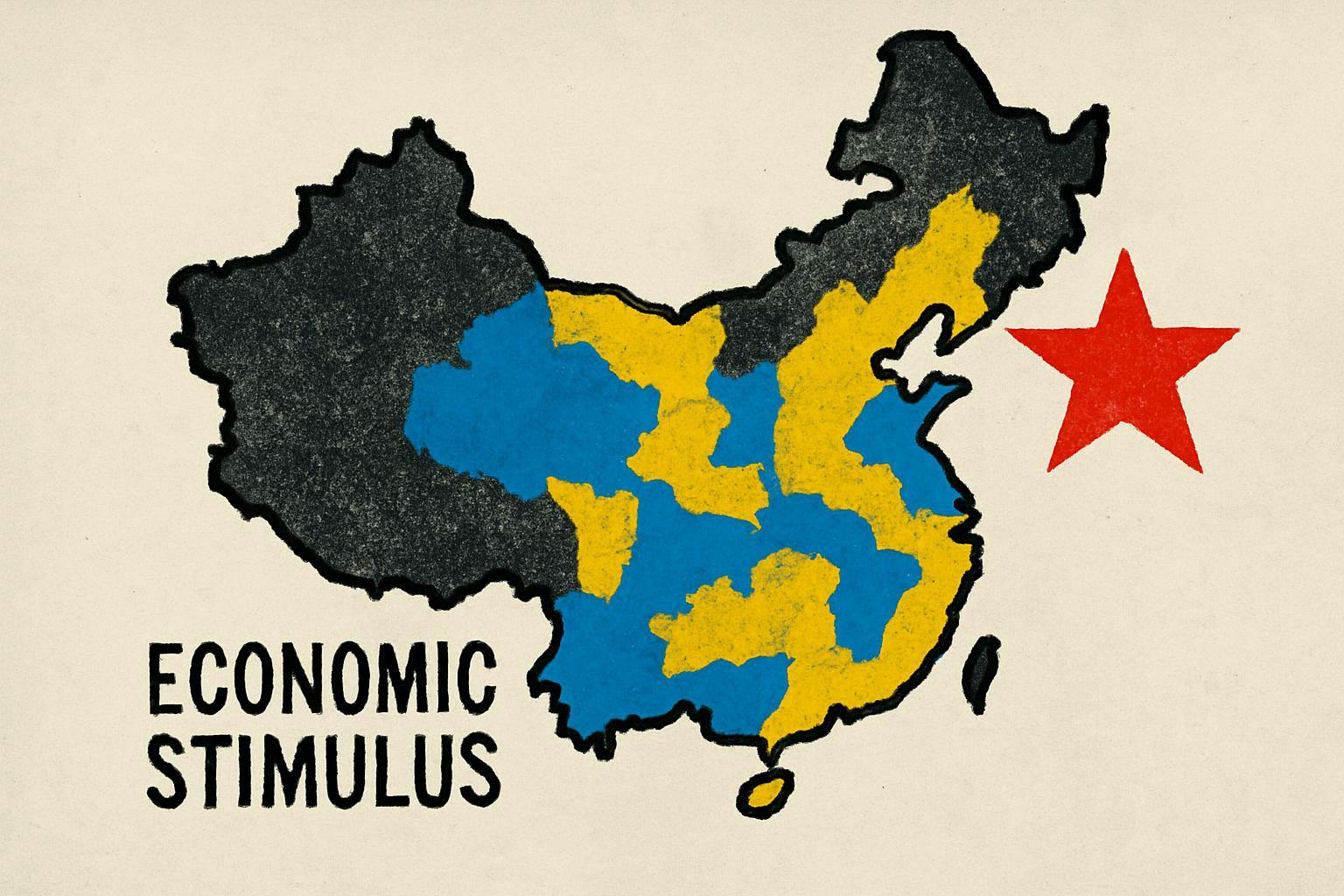
China’s fiscal deficit surged by 54% to 2.7 trillion yuan in early 2025, highlighting the government’s proactive strategy to boost economic growth.
What does this mean?
China’s sizeable fiscal deficit underscores its bold approach to economic stimulation. Spending under the general public and government fund budgets increased by 7.2% to 12 trillion yuan, emphasizing social welfare and employment enhancements. This approach reflects policy shifts aimed at strengthening economic resilience in the face of challenges, including a 1.3% drop in revenue to 9.3 trillion yuan. Such active fiscal measures demonstrate China’s focus on bolstering the economy despite associated fiscal risks. As China navigates the economic landscape of 2025, these figures highlight the critical need for careful fiscal management.
Why should I care?
For markets: Treading the fiscal line.
China’s economic policies have a profound impact on global market dynamics, especially as fiscal pressures increase in the world’s second-largest economy. Heightened government spending might spur growth, potentially boosting sectors like infrastructure, technology, and consumer goods. However, investors should be cautious of fiscal challenges that could affect China’s financial stability and international trade. The delicate balance of promoting growth while managing a growing deficit could influence investor sentiment and global market trends.
The bigger picture: Global fiscal impact.
China’s dynamic fiscal strategies significantly influence the global economy, affecting monetary flows and trade balances. As China grapples with fiscal challenges, its actions may cause ripple effects worldwide, influencing currency values and economic relations. Global markets are closely observing China’s maneuvers, which could redefine economic partnerships and reshape global growth paths, highlighting fiscal policy as a pivotal factor in the broader economic landscape.