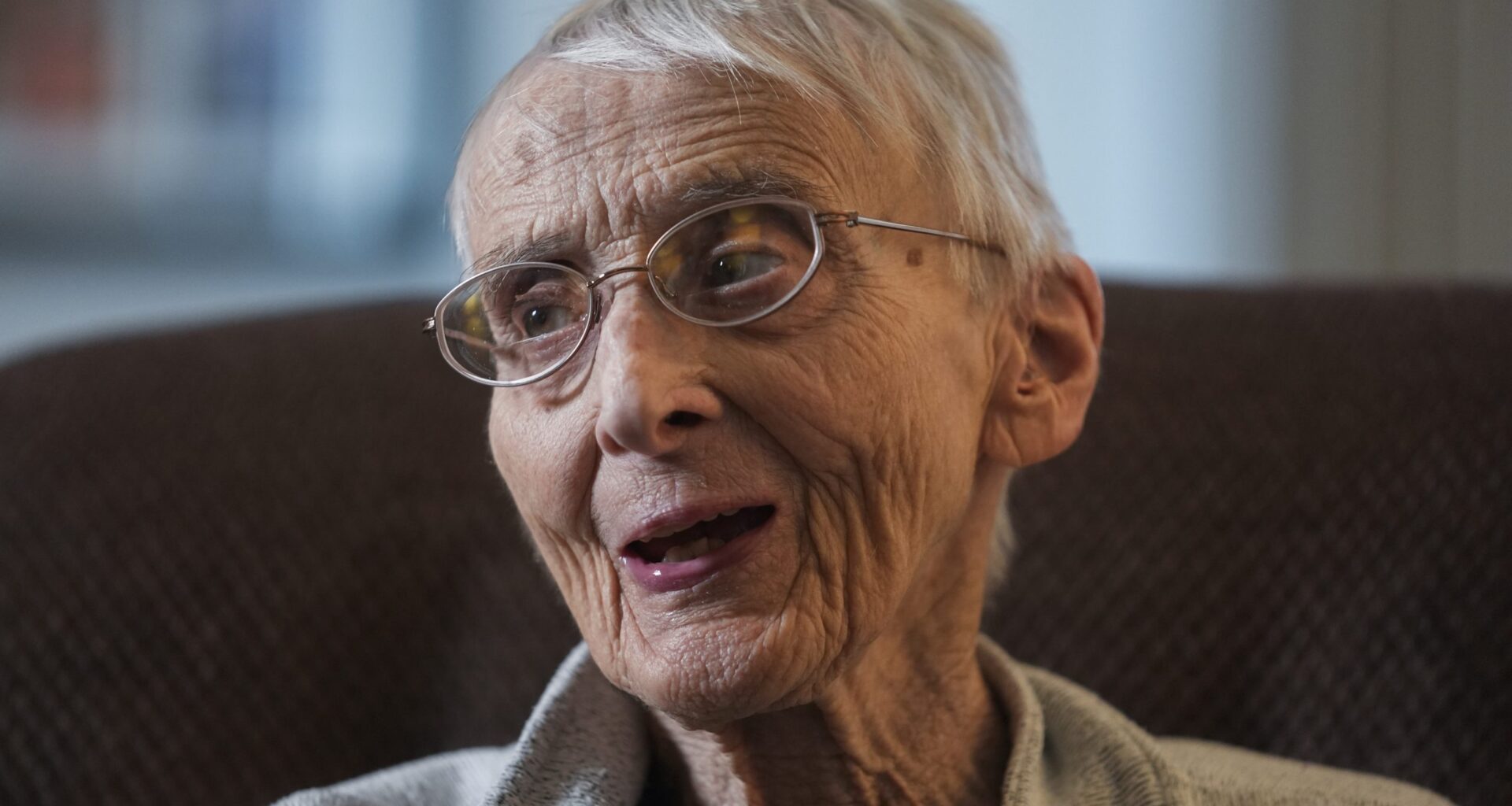
CHICAGO — Sister Pat Murphy, a champion of the local immigrant rights movement and a Sisters of Mercy nun, died Monday after dedicating nearly half a century to activism and faith in Chicago. She was 96.
Born in suburban Skokie, Murphy joined the religious order of the Sisters of Mercy in 1947, meeting Sister JoAnn Persch. The two became known as a “rabble-rousing” pair who spent decades fighting for immigrant rights in Chicago and across the country. Murphy protested into her later years at immigration detention centers and beyond, even getting arrested at the United States Capitol rotunda when she was 90.
Combining faith-based activism and political resistance, Murphy used the five critical concerns of the Sisters of Mercy — immigration, Earth, nonviolence, racism and women — to motivate her mission.
“Her presence among us — steadfast, passionate and profoundly humble — embodied the very spirit of Mercy,” according to a statement from Mother McAuley Liberal Arts High School. The all-girls Catholic school in Mount Greenwood is dedicated to the Sisters of Mercy mission and takes great inspiration from Murphy, according to its statement.
Murphy, a leading figure in the early days of Chicago’s immigrant sanctuary movement, worked alongside Persch and other community members to create a Catholic sanctuary initiative in the 1980s in response to civil wars in Central America. Murphy provided support and protection for refugees fleeing violence from countries like Guatemala and El Salvador.
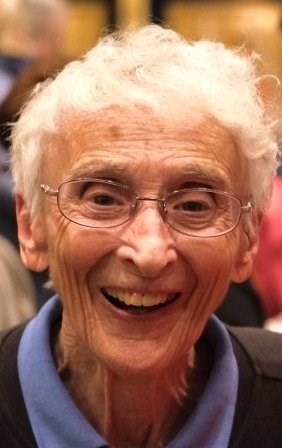 Sister Pat Murphy died Monday, July 21, at age 96. Credit: Legacy.com
Murphy and Persch used community funds to provide housing for refugees and founded Su Casa Catholic Worker in Back of the Yards. The sisters lived at Su Casa with men, women and children who were survivors of torture. Su Casa provided newly arrived asylum seekers with housing and continues to offer a one-year residency for domestic violence survivors and people experiencing homelessness.
Murphy’s unwavering dedication to activism and advocacy didn’t weaken as the years passed. She and Persch began visits to Immigration and Customs Enforcement’s (ICE) staging and processing center in suburban Broadview in 2007.
The two visited the detention center every Friday, when deportations used to usually take place. No matter if it was freezing or sweltering, they prayed the rosary in English and Spanish while inviting leaders from other faith groups to participate.
The two had a motto they developed over their nearly 20 years visiting Broadview: Murphy and Persch would do things respectfully and peacefully, but they would never take “no” for an answer.
“She taught us how to struggle for justice, loving all and honoring the God-given dignity in each person while reminding us that ‘we cannot not’ work for peace and justice,” said the Rev. Craig Mousin, a refugee rights activist. “Her indomitable spirit and wise counsel guided everyone.”
Murphy boarded deportation buses to pray with those on board and extended her prayers for peace to ICE officers. She protested and prayed for immigrants. She spoke at rallies and called politicians. Even after getting arrested at age 90, Murphy continued her activism up until her death.
Despite pushback from federal authorities, Murphy was able to continue her faith and activism while making leaps in the legislative world.
In 2009, Murphy helped pass a bill in the Illinois General Assembly that allowed religious workers to access detention centers. The legislation, known as the Religious Ministry Act, gave people a glimpse into detention centers, which have long been off-limits to the public.
“Our region’s and our nation’s immigrant advocacy community was warmer and richer with Sister Pat,” said Fred Tsao, senior policy counsel at the Illinois Coalition for Immigrant and Refugee Rights. Tsao worked closely with Murphy and Persch to pass the Religious Ministry Act.
Murphy insisted the bill allow for in-person religious care, leading to the sisters’ regular visits to McHenry County Jail. They eventually expanded to three other detention facilities in the Midwest.
The ICE officers even began to enjoy Murphy and Persch’s presence, asking the sisters to bake and bring in cookies for Christmas and New Year’s. The efforts didn’t diminish during COVID-19, when the sisters moved their visits to Zoom.
Then, in 2022, Republican leaders began sending buses full of asylum seekers to Chicago. For Murphy, this was a sign her work couldn’t stop quite yet, even as she received chemotherapy to treat cancer.
Following the same mission established in the 1980s, Murphy and Persch founded the nonprofit Catherine’s Caring Cause, providing a furnished apartment and other resources for a family of six from Sierra Leone.
The organization continues to support 17 families through mentorship programs, legal aid and food and rent assistance.
As Chicago continues to face the crackdown of immigration arrests, masked federal agents and threats from President Donald Trump’s administration, Murphy’s legacy of steadfast commitment to humane immigration reform, along with the Sister of Mercy mission, remain at the core of Chicago’s sanctuary movement for activists like Tsao.
Murphy’s wake is 3:30-8 p.m. Wednesday at Mercy Circle, 3659 W. 99th St. The funeral Mass is 10:30 a.m. Thursday, July 31, at the same location.
Listen to the Block Club Chicago podcast: