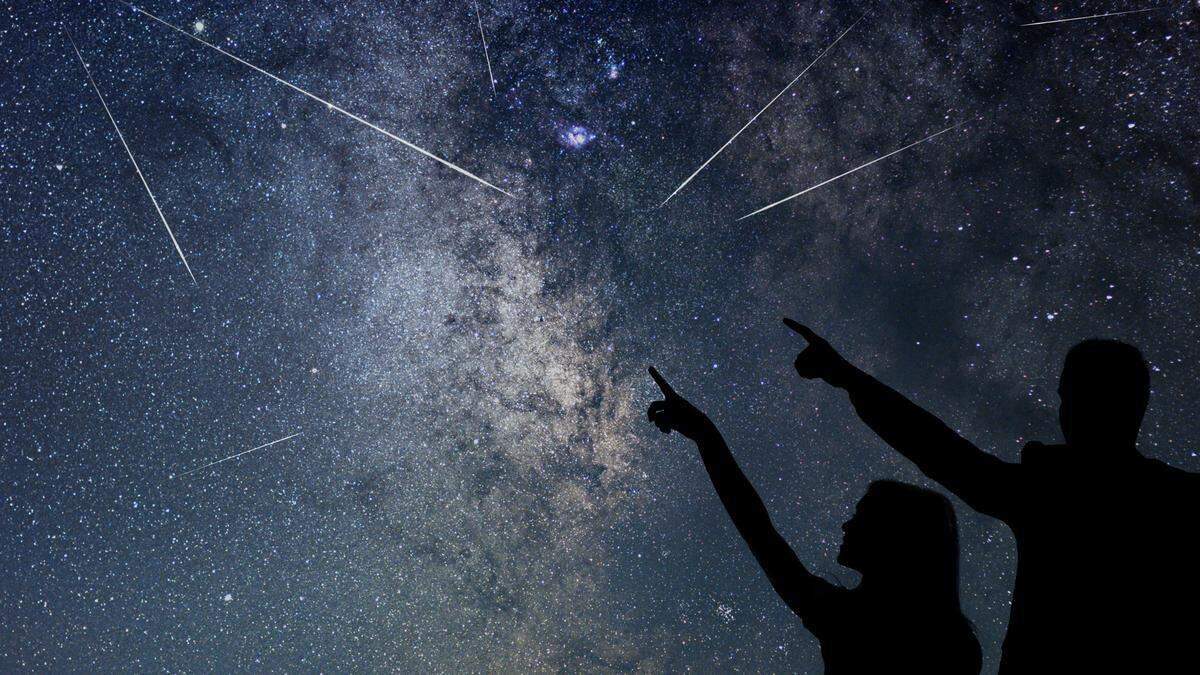
Clear skies and mild temperatures this week will provide near-perfect conditions for stargazing – and astronomy enthusiasts are in for a treat.
The Perseids meteor shower, which began in July, will reach its peak on the night of 12-13 August. The phenomenon occurs when Earth passes through a cloud of debris left by Comet Swift-Tuttle, producing streaks of light across the sky.
The moon will be a minor drawback this year – though not full, its light will make it harder to spot the faintest meteors. But the Perseids are known for their abundance of bright shooting stars, which should remain clearly visible.
Patience, and avoiding light pollution, are key to a good view, says Julien Laigle, science mediator at the Luxembourg Science Center. Countryside locations are best, and observers should avoid looking at their phone for at least 15 minutes beforehand to let their eyes adjust to the dark.
To locate the Perseus constellation, look northwest. “If you can find the Big Dipper, Perseus is right next to it,” Laigle said. For those less familiar with the night sky, apps such as Sky Walk or Stellarium can help.
For those who prefer a guided experience, the Luxembourg Science Center in Differdange offers a way to observe meteors regardless of cloud cover or daylight. Using a shooting star detector, staff can filter out clouds and even the sun to display live meteor activity throughout the day.
On 12 August at 11:00, the centre will host the “Asteroids” show in French, exploring shooting stars, comets and asteroids in an interactive format. Visitors can also see real meteorites and explore other science exhibits. Entry is €15 for adults, €9 for children aged 6–17, and free for under-6s.
The Perseids meteor shower will continue until 24 August. The Euro Space Center in Transinne, Belgium, will host its free “Starry Night” event on 14 August, with no reservations required.
(This article was originally published by Virgule. Translated using AI and edited by Kabir Agarwal.)