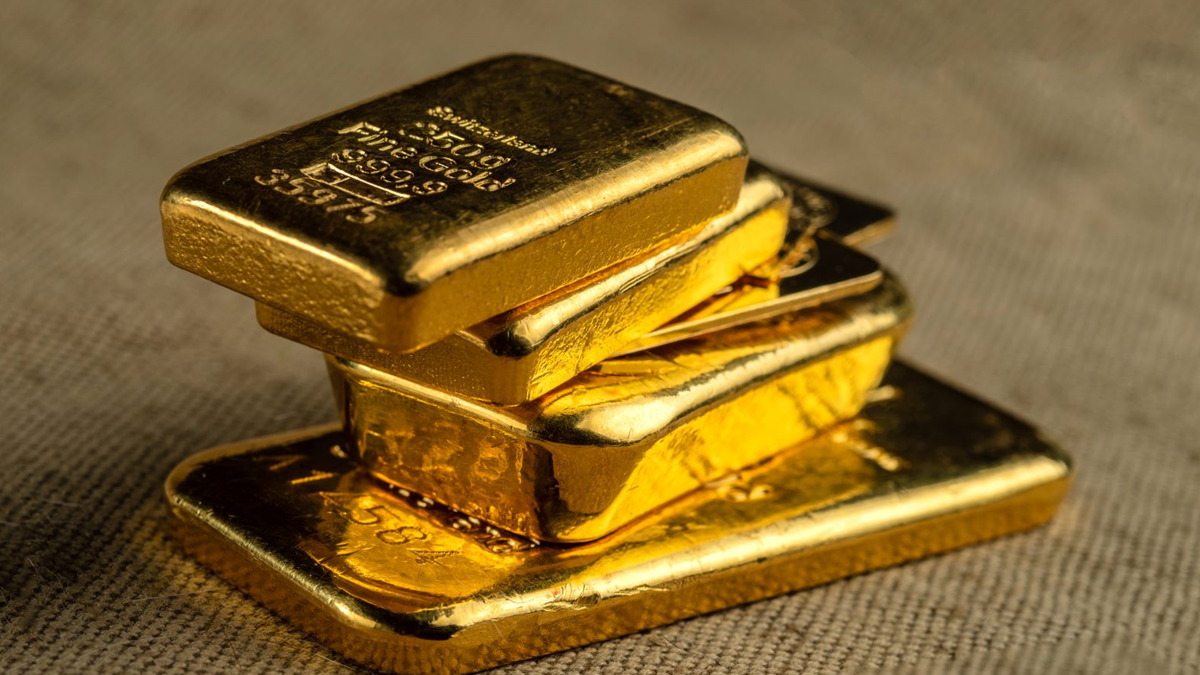
The Luxembourg state transferred its gold reserves to the Central Bank of Luxembourg (BCL) in 1998 and has not re-established a reserve since, Finance Minister Gilles Roth confirmed in answer to a parliamentary question on Wednesday.
The national gold depository instead consists of 1,800 Louis d’Or coins, valued at around €990,000, which the state has stored at BCL.
The central bank, in turn, reportedly has its stash of gold in a vault in London, according to reports from 2013 which have not been updated recently. The reserve is believed to still amount to around 2.2 tonnes – which is considered modest by international comparison – and worth around €225 million today.
The Luxembourg state transferred its gold reserves to the BCL as part of its preparations for transition to the euro and the European Central Bank system. This meant the gold became part of the country’s monetary reserves, managed independently by the BCL rather than politically by the government. While the gold is no longer state-owned, it still belongs to the people of Luxembourg.
The parliamentary question on state gold reserves from DP politician André Bauler came following recent confirmation that France holds some 2,400 tonnes of gold, putting it behind the USA, Germany and Italy as the biggest holders of the precious metal.
The Louis d’Or is a French gold coin introduced in the 17th century under Louis XIII. Luxembourg’s gold coins are technically owned by the state intelligence service.
Also read:Luxembourg Central Bank’s 2.2 tonnes of gold stored in London
(This report includes some information from the Luxemburger Wort and data compiled using AI.)