From reproductive rights to climate change to Big Tech, The Independent is on the ground when the story is developing. Whether it’s investigating the financials of Elon Musk’s pro-Trump PAC or producing our latest documentary, ‘The A Word’, which shines a light on the American women fighting for reproductive rights, we know how important it is to parse out the facts from the messaging.
At such a critical moment in US history, we need reporters on the ground. Your donation allows us to keep sending journalists to speak to both sides of the story.
The Independent is trusted by Americans across the entire political spectrum. And unlike many other quality news outlets, we choose not to lock Americans out of our reporting and analysis with paywalls. We believe quality journalism should be available to everyone, paid for by those who can afford it.
Your support makes all the difference.
Read more
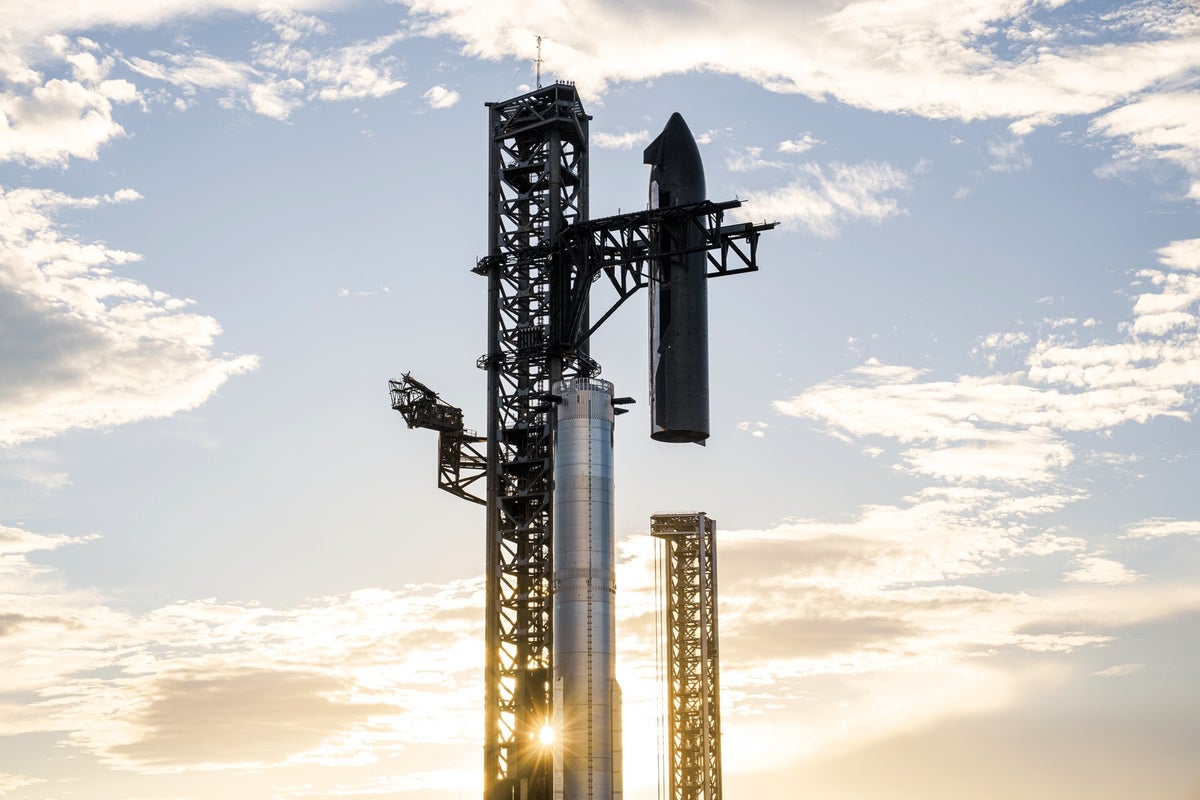
SpaceX will attempt to launch its redesigned Starship rocket on Monday in what will be a critical test of Elon Musk’s Mars ambitions.
The 10th flight test of the world’s biggest rocket comes three months after Starship and its Super Heavy booster were both lost after lifting off from the company’s Starbase facility in Texas.
Two earlier flights in 2025 both ended in fiery explosions. The goals for today’s launch will be to recover both the booster and the upper-stage Starship spacecraft.
The latest launch was originally scheduled to take place on Sunday but had to be postponed due to “an issue with ground systems”, according to SpaceX.
The new launch window will open on 25 August at 6:30pm local time (Tuesday, 12:30am BST), with a live stream available on SpaceX’s website.
Last week, SpaceX unveiled a new design of the craft’s landing fins used to guide the Super Heavy booster back to Earth.
The new components are 50 per cent larger and stronger than previous versions, according to SpaceX.
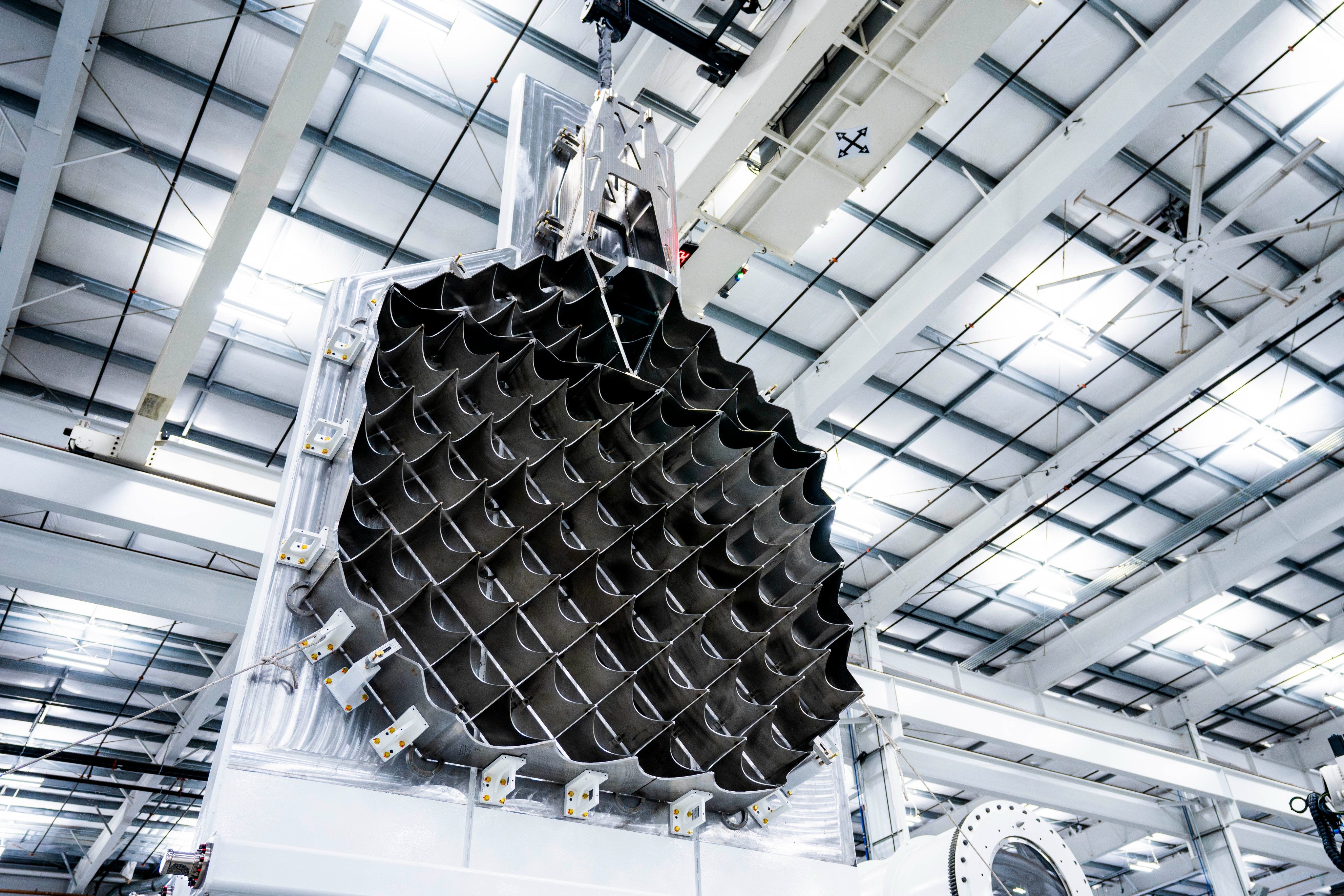
open image in gallery
A grid fin of Starship’s new Super Heavy booster (SpaceX)
Starship, which stands 122 metres tall when fully stacked, is being developed to shuttle crew and cargo to the Moon and Mars.
SpaceX has secured a multi-billion dollar contract with Nasa to send astronauts to the Moon as part of the US space agency’s Artemis program, however failed Starship tests and other delays mean that this mission has been pushed back from December 2025 to September 2026.
Earlier this year, Mr Musk said Starship would launch to Mars as early as next year carrying Tesla’s humanoid robot Optimus.
“If those landings go well, then human landings may start as soon as 2029, although 2031 is more likely,” he said in a post to X.
The tech billionaire previously predicted in 2017 that Starship would make it to the Red Planet by 2022, with humans arriving by 2024.
Mr Musk’s ultimate goal for the giant rocket is to build a fleet of several thousand Starships to establish a permanent and self-sufficient human colony on Mars by 2050.
Future versions of the spacecraft will then be used to “travel to other star systems”, according to Mr Musk.