The Luxembourg Times is looking at the rising impact of financial influencers (finfluencers) and the quality of financial information shared on social media. In the seventh of ten instalments, we ask banks and brokerages about their relationships with finfluencers.
Financial firms “have been quick to identify and capitalise on the commercial benefits of using finfluencers, or more generally social media influencers, to promote their brand, products and services as they see it as an opportunity to attract a younger retail investor audience,” Iosco, an international forum for financial regulators, including Luxembourg’s CSSF, said in a May 2025 report.
“Around 60% of surveyed securities regulators observed the existence of contractual relationships between [financial firms] and finfluencers in their jurisdiction,” Iosco stated. Some firms have “commercial arrangements” with up to 40 or 60 social media influencers. “These relationships are formed to leverage the wide reach and influence of finfluencers to promote financial products and services.”
For many, professional financial advice is either unaffordable or inaccessible
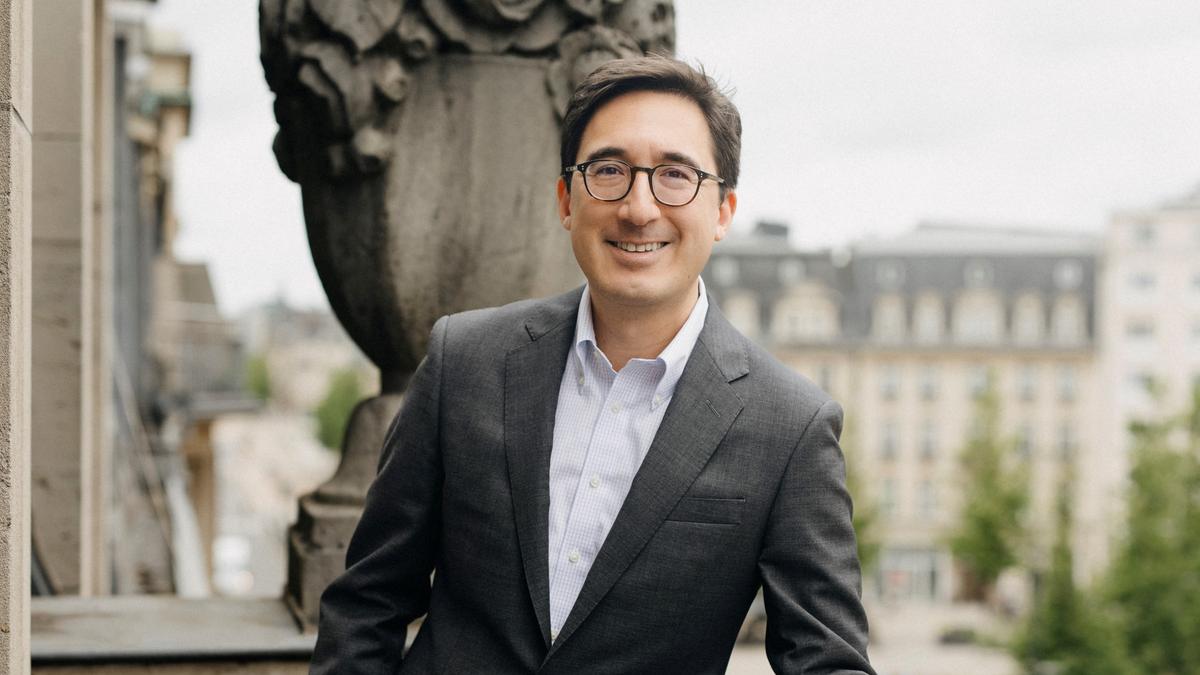
Jeremy Lauret
CCO, Swissquote Bank Europe
“There is clearly growing appetite for accessible, reliable financial content in a world where personal finance remains a largely taboo topic,” said Jeremy Lauret, chief commercial officer at Swissquote Bank Europe, an online brokerage based in Kirchberg.
“For many, professional financial advice is either unaffordable or inaccessible, driving some to seek guidance from social media,” Lauret stated. “This trend raises critical concerns about the trustworthiness of the information, the potential influence of hidden conflicts of interest, and whether it genuinely aligns with an individual’s unique financial circumstances.”
Digital banks want awareness
The German neobank N26, which is active in Luxembourg, told the Luxembourg Times that it “sometimes [has] content campaigns or partnerships with some influencers on social media or content platforms like Youtube. The main goal for a young brand like us is an awareness target to be more and more known by more and more potential customers.”
The N26 spokesperson declined to disclose how many influencers they work with and how they are renumerated.
“Any content we sponsor or are part of is reviewed and validated by us” to ensure regulatory requirements are followed, he said.
“We never produced or sponsored any content that gave any financial advice,” the N26 spokesperson stated. “Our main focus is more to share financial education and how customers can protect their bank account against all the new digital financial scammers [and] frauds.”
Revolut, another digital bank popular in the Grand Duchy that works with finfluencers, said it had no programmes specifically targeting Luxembourg.
Luxembourg banks cautious about finfluencers
Luxembourg’s main retail banks have been circumspect. Spuerkeess does not “currently work with finfluencers in our marketing or communication efforts,” a spokesperson for the state savings bank said. “It’s an area we’re watching with interest, but for now, we stick to more traditional channels and our own in-house expertise when it comes to financial education and customer engagement.”
A spokesperson for the cooperative bank Raiffeisen said it does not employ finfluencers either. “While we acknowledge the increasing presence of finfluencers in the digital space, we remain cautious about third-party channels that could create confusion or spread non-verified advice.”
A spokesperson for Banque Internationale à Luxembourg said it did not work with finfluencers. BGL BNP Paribas declined to comment.
“Swissquote Bank Europe does not use finfluencers,” said Lauret. But it does work personal finance authors and speakers who serve a similar role. This includes “Andrew Hallam, author of three bestselling personal finance books, and Candi Carrera, who is leading VingeGPT, an innovative AI-driven investing initiative. By telling their stories, we seek to provide relatable, grounded insights that reflect the real paths people take toward financial independence,” Lauret said.
Read more from the series: