Share
Tweet
Share
Share
King Charles III, aged 76, faces a rapidly deteriorating health condition due to a cancer diagnosis announced in February 2024, triggering an accelerated transition within the British monarchy. With the king scaling back public duties, Prince William, 42, and his wife, Kate Middleton, also 42, are intensifying their preparation to assume the throne. This process, centered in London and involving the entire structure of the Crown, aims to ensure stability across the United Kingdom and Commonwealth nations. The urgency stems from the severity of Charles III’s condition, who ascended the throne in September 2022 following Queen Elizabeth II’s death. Meanwhile, Kate navigates her own health challenges after a cancer diagnosis in January 2024, yet continues preparing for her role as queen consort.
The British monarchy, aware of the delicate moment, is adopting strategic measures to secure continuity. William has taken on key royal duties on behalf of his father, while Kate gradually resumes her public engagements. Their preparation is critical to maintaining the institution’s relevance amid modern challenges.
Current priorities: William expands his role in diplomatic and administrative tasks.Kate’s health: The princess balances recovery with royal duties.Crown stability: The transition aims to prevent crises in the monarchy.Intensive preparation for William and Kate
Prince William has emerged as a central figure in the monarchy’s transition. In recent months, he has represented Charles III at high-profile events, such as the reopening of Notre-Dame Cathedral in Paris in December 2024. His role extends beyond diplomacy to include managing royal charities and administrative duties. Kate Middleton, despite undergoing cancer treatment, maintains selective public appearances, reinforcing her position as a future queen consort.
The couple’s training involves meetings with experts in foreign policy, royal estate management, and ceremonial protocols. Their preparation is thorough, covering everything from Buckingham Palace operations to representing the UK in international forums. William’s focus on modernizing the monarchy is a key element of this process.
Diplomacy: William engages in meetings with global leaders.Royal management: The prince takes on administrative responsibilities.Modernization efforts: Initiatives to make the monarchy more relatable.Kate’s role: Gradual return to public duties post-treatment.Charles III’s health and its impact on the Crown
Since his cancer diagnosis in February 2024, following hospitalization for benign prostate enlargement, Charles III has significantly reduced public appearances. Buckingham Palace has not disclosed the cancer type, but sources indicate the disease shows no signs of remission. The king, who ascended the throne at 73, faces treatment-related limitations, accelerating the delegation of duties to William.
The king’s reduced schedule has fueled speculation about a possible abdication, though the Palace has not confirmed this. The monarchy is working to ensure a seamless transition, preserving public confidence and the trust of Commonwealth nations.
Ongoing treatment: Charles III remains under intensive medical care.Limited engagements: The king scales back appearances to prioritize health.Planned transition: William’s role grows to maintain stability.Line of succession and imminent changes
The British line of succession is clear, but Charles III’s health accelerates discussions about the monarchy’s future. Should the king abdicate or pass away, William will immediately become king, with Kate taking the title of queen consort. Queen Camilla, Charles’s wife, would become queen dowager. Prince George, the 11-year-old eldest son of William and Kate, will be next in line, followed by his siblings, Charlotte and Louis.
Prince Harry, despite stepping back from royal duties, remains fifth in the line of succession, followed by his children, Archie and Lilibet. William and Kate’s preparation focuses not only on their immediate roles but also on grooming George for his future as king, ensuring long-term continuity.
William as king: Immediate ascension upon abdication or death.Kate as queen consort: Central role in modernizing the monarchy.George in succession: Early preparation for the young prince.Harry’s position: Remains in line but without official duties. 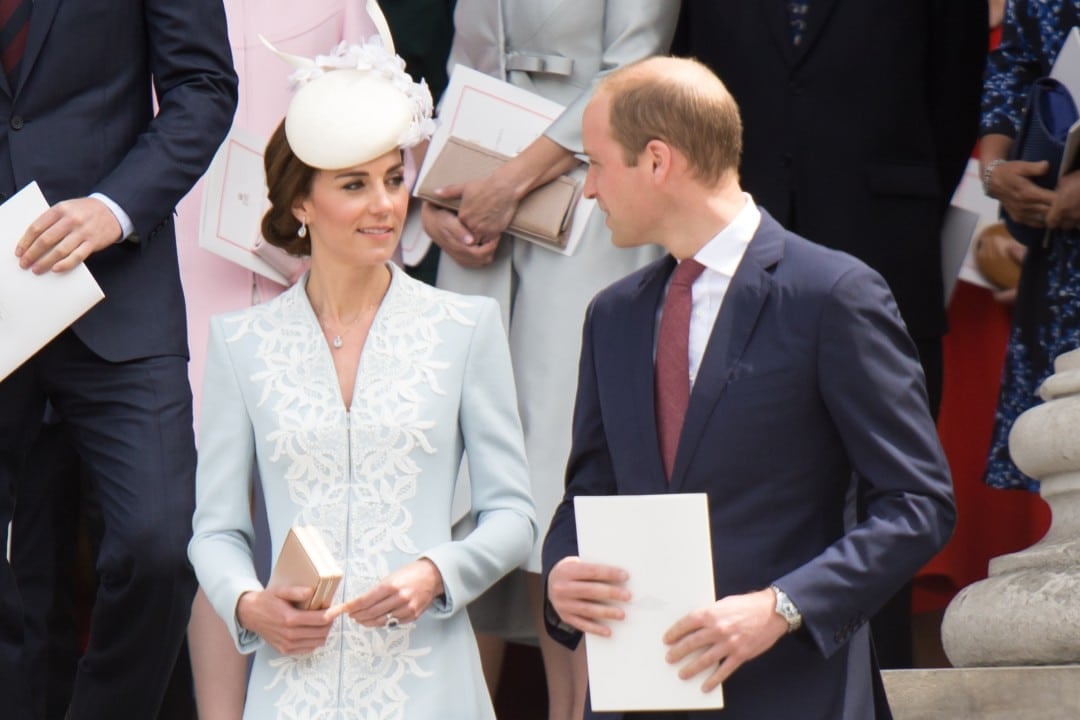 Princess Kate Middleton and Prince William – Photo: Mr Pics / Shutterstock.comChallenges facing the modern monarchy
The British monarchy faces significant pressures in a rapidly changing global landscape. The Commonwealth, comprising 56 nations, is witnessing growing debates about maintaining ties with the British Crown. Countries like Australia and Jamaica have signaled interest in becoming republics, challenging the monarchy’s relevance. William and Kate, seen as modern figures, are tasked with strengthening the institution’s image.
The couple’s popularity, particularly among younger audiences, is a key asset for the Crown. However, modernization requires balancing tradition with innovation, focusing on issues like sustainability and mental health, causes championed by William. The monarchy also faces scrutiny over its costs and political role in a polarized UK.
Commonwealth tensions: Nations reconsider ties with the monarchy.Modernization needs: William and Kate aim for contemporary relevance.Public support: The couple’s positive image aids the transition.Historical transitions in the monarchy
The British monarchy has a rich history of successions marked by challenges. In 1936, Edward VIII’s abdication to marry Wallis Simpson sparked a crisis, leading to George VI’s ascension. In 1952, George VI’s sudden death placed Elizabeth II, aged 25, on the throne during a post-war recovery. The transition from Elizabeth II to Charles III in 2022 ended a 70-year reign, the longest in British history.
These historical moments underscore the need for well-planned successions. The current preparation of William and Kate reflects lessons from the past, emphasizing stability and continuity amid Charles III’s health challenges.
Edward VIII (1936): Abdication caused a succession crisis.George VI (1952): Elizabeth II rose to the throne in a challenging era.Charles III (2022): Transition followed Elizabeth II’s historic reign.Kate Middleton’s role in the transition
Kate Middleton’s health adds complexity to the succession. Diagnosed with cancer in January 2024 after abdominal surgery, the princess underwent intensive treatment, limiting her public duties. Supported by William, her resilience strengthens the couple’s image as empathetic leaders. Kate is expected to gradually resume engagements, focusing on causes like early childhood education and mental health.
As a future queen consort, Kate will need to navigate public duties, diplomatic pressures, and ceremonial protocols. Her recovery is critical to the monarchy’s stability, particularly during this transitional period.
Kate’s recovery: Gradual return to royal engagements.Public image: The couple’s empathy boosts public support.Queen consort role: Training in diplomacy and royal management.