Share
Tweet
Share
Share
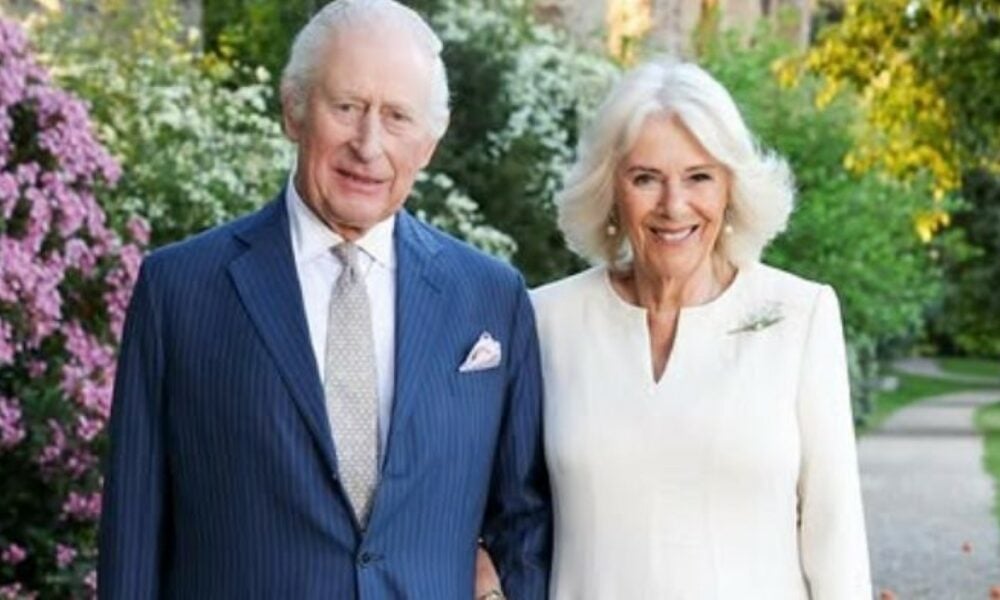
King Charles III, aged 76, was briefly hospitalized in London on Thursday, March 27, 2025, due to temporary side effects from his cancer treatment, diagnosed in February 2024. The hospitalization, requiring a short observation period, led to the postponement of public engagements, including a scheduled visit to Birmingham the following day. The monarch, who returned to Clarence House that same evening, remains under medical care and maintains an adapted royal schedule. Buckingham Palace’s decision to disclose the hospitalization reflects a strategy of balancing transparency and privacy to avoid speculation. Queen Camilla has played a crucial role in supporting the king, as he seeks to balance his health with royal duties.
The hospitalization followed a scheduled medical procedure, but unexpected side effects required additional care. Buckingham Palace reported that the king is doing well and his treatment is progressing positively, though the recent pause in engagements highlights Charles’s vulnerabilities amid his cancer battle.
Adjusted schedule: The Birmingham visit was rescheduled, with other events under review.Monitored health: Charles remains under regular medical supervision.Return to work: The king plans to resume engagements next week.Balancing health and royal duties
The postponement of the Birmingham trip reflects the caution of the king’s medical team, prioritizing rest after the hospitalization. Despite Charles feeling “well” on Thursday evening, as reported by the Palace, the decision to cancel engagements followed discussions with his doctors and advisors. Queen Camilla, often described as a significant influence, has urged the monarch to slow down, though Charles shows reluctance to reduce public activities. Since his diagnosis, he has maintained a strong sense of duty, motivating him to work even during treatment.
The king’s schedule has been carefully adjusted since early 2024, when he temporarily suspended public engagements after the diagnosis. The recent hospitalization, though brief, underscores the need to balance his health with the demands of his role as head of state. Charles spent Thursday evening at home, working on official documents and holding private meetings, signaling his determination to fulfill his responsibilities.
Impact of diagnosis on the monarchy
Charles’s cancer diagnosis, identified after a procedure for an enlarged prostate, marked a delicate moment for the British monarchy. The disease was discovered during follow-up exams, but Buckingham Palace chose not to disclose the specific type of cancer, prioritizing the monarch’s privacy. Since then, Charles has undergone regular treatments, including weekly sessions, with his medical team reporting positive progress.
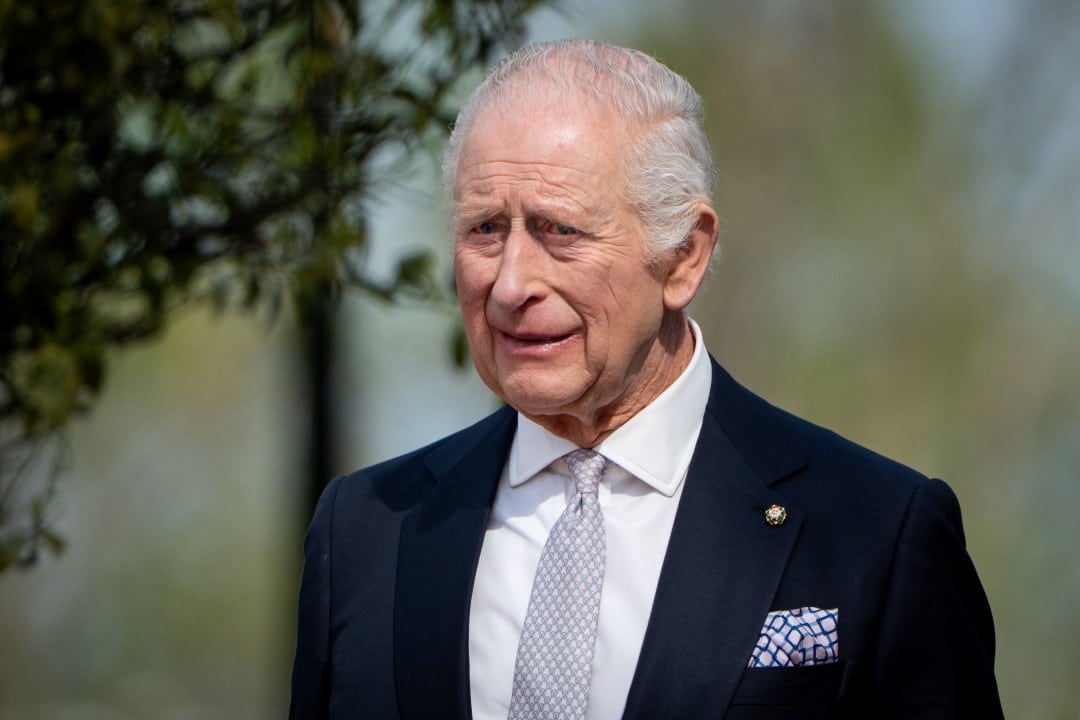 Rei Charles III – Foto: Stefano Costantino TTL / Shutterstock.comControlled transparency: The Palace issues updates to curb rumors but limits details.Queen’s support: Camilla has been vital in providing emotional and practical support.Royal resilience: Charles resumed public duties in April 2024, despite treatment.Family impact: The health of Charles and Kate Middleton challenges the royal family.
The monarchy faces additional pressures due to the health of other members, such as Kate Middleton, who also underwent cancer treatment in 2024. These challenges have strained the schedule of figures like Prince William, who has taken on more public duties. The absence of others, like Prince Harry, living in the United States, and Prince Andrew, sidelined due to scandals, limits available support.
International trips and resilience
Charles’s visit to Australia and Samoa in October 2024 was a milestone in his recovery. Despite pausing treatment during the trip, the king managed a demanding schedule, including speeches and official events. The journey was seen as a test of his ability to maintain royal duties amid treatment. Sources close to the Palace noted that the trip boosted Charles’s well-being, as he finds purpose in public roles.
During the visit, the king showed energy but also signs of fatigue at times. Queen Camilla accompanied him, ensuring he followed medical advice. The trip to Canada in May 2025, the first since his coronation, was also successful, with Charles addressing the Canadian Parliament. These international engagements highlight his determination to uphold the monarchy’s relevance despite health challenges.
Palace communication strategy
Buckingham Palace’s approach has been marked by selective transparency. Since the diagnosis, Charles has chosen to share general health updates to avoid speculation, a shift from the royal family’s traditional reserve. Sparse updates, like the statement after the March hospitalization, reinforce this strategy. The Palace avoids details about the cancer type or treatment stage but emphasizes the king’s optimism and recovery progress.
Controlled communication: Updates are issued at strategic moments.Rumor prevention: Transparency aims to curb speculation about the king’s health.Public support: Charles has thanked supporters via social media.Maintained privacy: Medical details remain confidential.
This approach also reflects Charles’s commitment to raising cancer awareness. In April 2025, during an event with cancer support organizations, the king highlighted how his experience revealed “the best of humanity,” praising groups like Cancer Research UK and Macmillan Cancer Support, of which he is a patron.
Outlook for the royal agenda
Charles’s schedule will be reviewed in the coming days, with minor adjustments to ensure his recovery. The state visit to Italy, planned for April 2025, remains confirmed, though a meeting with Pope Francis was canceled due to the pontiff’s health. Buckingham Palace emphasizes there is no crisis, but the recent hospitalization serves as a reminder of treatment-related limitations.
The king plans to resume engagements next week, with events tailored to minimize health risks. Queen Camilla will continue to play a central role, both in public duties and supporting the monarch. The British monarchy, still transitioning after Elizabeth II’s long reign, faces the challenge of maintaining relevance while managing its key members’ vulnerabilities.
Role of the royal family in supporting Charles
The royal family has adapted to the circumstances imposed by Charles’s health. Prince William, as heir to the throne, has taken on more responsibilities, especially during periods when the king was absent. Queen Camilla has balanced her public duties with supporting her husband, attending events like the Dyson Cancer Centre opening in Bath.
William’s role: The prince has filled gaps in the royal agenda.Camilla’s versatility: The queen balances official duties with supporting the king.Notable absences: Harry and Andrew do not participate in public functions.Kate Middleton: Her recovery limits her involvement in royal events.
The monarchy faces a moment of strain, with fewer members available for public duties. The health of Charles and Kate, combined with controversies involving other members, underscores the need for careful management of the royal family’s image and functions.
Charles’s health and legacy
Since his diagnosis, Charles has used his platform to promote cancer awareness. His public appearances, such as the Southport visit in August 2024, where he stated he was “not too bad,” reflect his effort to project resilience. The king has also emphasized the importance of early diagnosis, supporting UK public health initiatives.
Charles’s treatment, including radiotherapy and other therapies, is managed by a team of specialists. Though the Palace does not disclose details, sources suggest the king treats the disease as a chronic condition, adapting his routine to maintain normalcy. His dedication to royal duties, even amid treatment, reflects his commitment to the monarchy’s legacy.
Postponed engagements and near future
The postponement of the Birmingham visit, though frustrating for Charles, was a pragmatic decision. Known for his determination, the king has previously shown, as in the Australia trip, his willingness to face physical challenges to fulfill his role. The revised schedule for the coming weeks will be planned with his medical team to ensure his health is not compromised.
Italy visit: Planned for April, expected to proceed as scheduled.Local events: UK engagements will be adjusted.Monitored health: Regular exams track treatment progress.Gradual return: Charles will resume activities per medical guidance.
The British monarchy, under Charles’s leadership, continues to navigate a transitional period. His health, though managed, requires ongoing adjustments, as he seeks to maintain the institution’s stability and relevance in a modern context.