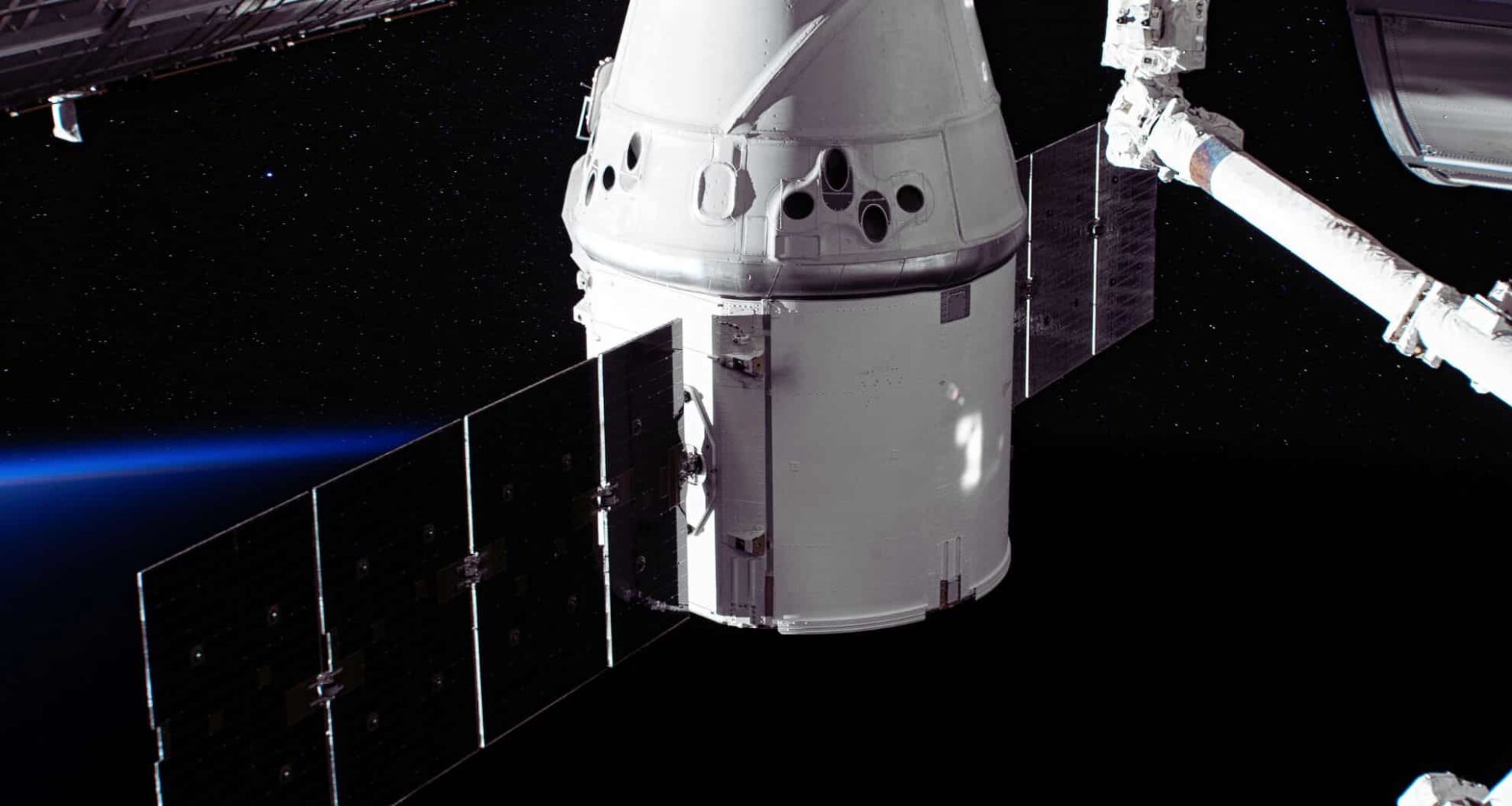
During an interview with the All-In Podcast, Elon Musk outlined ambitious plans for the next phase of SpaceX’s Starship program. He discussed how ongoing upgrades to the rocket could reshape orbital launch capabilities and emphasized the potential for full reusability, a goal that could significantly reduce costs and increase launch cadence. Musk’s projections align with SpaceX’s broader strategy to make Starship not only a vehicle for commercial satellites but also for large-scale interplanetary missions, highlighting a future where heavier payloads can be routinely deployed to low Earth orbit and beyond.
Starship Version 3 Marks A Major Redesign
SpaceX is preparing to introduce Starship Version 3, a significantly upgraded version of the rocket. Musk explained that “pretty much everything changes on the rocket with version 3,” noting that the redesign represents a fundamental shift in both materials and engineering philosophy. Engineers are reevaluating critical components, including propulsion, structural integrity, and aerodynamics, to ensure the vehicle meets the increased performance expectations. While the redesign promises higher payload capacity and operational flexibility, Musk cautioned that it will likely come with a learning curve for the company. “The upgraded Starship might have some initial teething pains because it’s such a radical redesign,” he said, emphasizing the challenges inherent in implementing such extensive modifications.
Full Reusability Within Reach
Achieving full reusability remains a central goal for SpaceX, with the company aiming to catch both the booster and the ship during launches. Musk asserted that, “Unless we have some very major setbacks, SpaceX will demonstrate full reusability next year, catching both the booster and the ship and being able to deliver over 100 tons to a useful orbit.” Full reusability is a complex engineering challenge that requires precise coordination between landing maneuvers, fuel efficiency, and vehicle durability. SpaceX engineers are also focusing on refining recovery techniques to minimize wear and tear on the ship, which will be essential for meeting Musk’s ambitious target of rapid, repeated launches.
Heat Shield Technology Underpins Orbital Ambitions
A critical component of the Starship upgrades is the advanced heat shield. Musk highlighted the technical hurdles the team is tackling, noting, “For full reusability of the ship, there’s still a lot of work that remains on the heat shield.” The system must protect the vehicle from extreme temperatures during re-entry while remaining lightweight and resilient. Musk explained, “We really are looking at fundamental physics here…trying to figure out how do we make something that can withstand the heat, is very light, doesn’t transmit the heat to the primary structure, and the tiles stay on and don’t crack.” Engineers are testing new materials and bonding techniques to ensure the shield can survive repeated missions without significant maintenance, which is essential for achieving the cost reductions promised by full reusability.
Outlook For The Next Phase Of Spaceflight
If successful, the upgraded Starship could transform the economics of spaceflight and enable missions previously considered impractical. The ability to deliver over 100 tons to orbit opens the door to large-scale satellite constellations, interplanetary cargo missions, and even human missions to Mars. Musk’s long-term vision includes not only commercial launches but also scientific exploration, potentially providing new opportunities for astronomy, planetary science, and resource utilization beyond Earth. While technical challenges remain, the progress outlined by Musk demonstrates a clear trajectory toward more ambitious, frequent, and cost-effective launches.