Quick Read
Two US Air Force officers attended Russia-Belarus Zapad-2025 drills.The visit aligns with Trump’s diplomatic push to engage Belarus.US eased sanctions on Belarus in exchange for detainee releases.
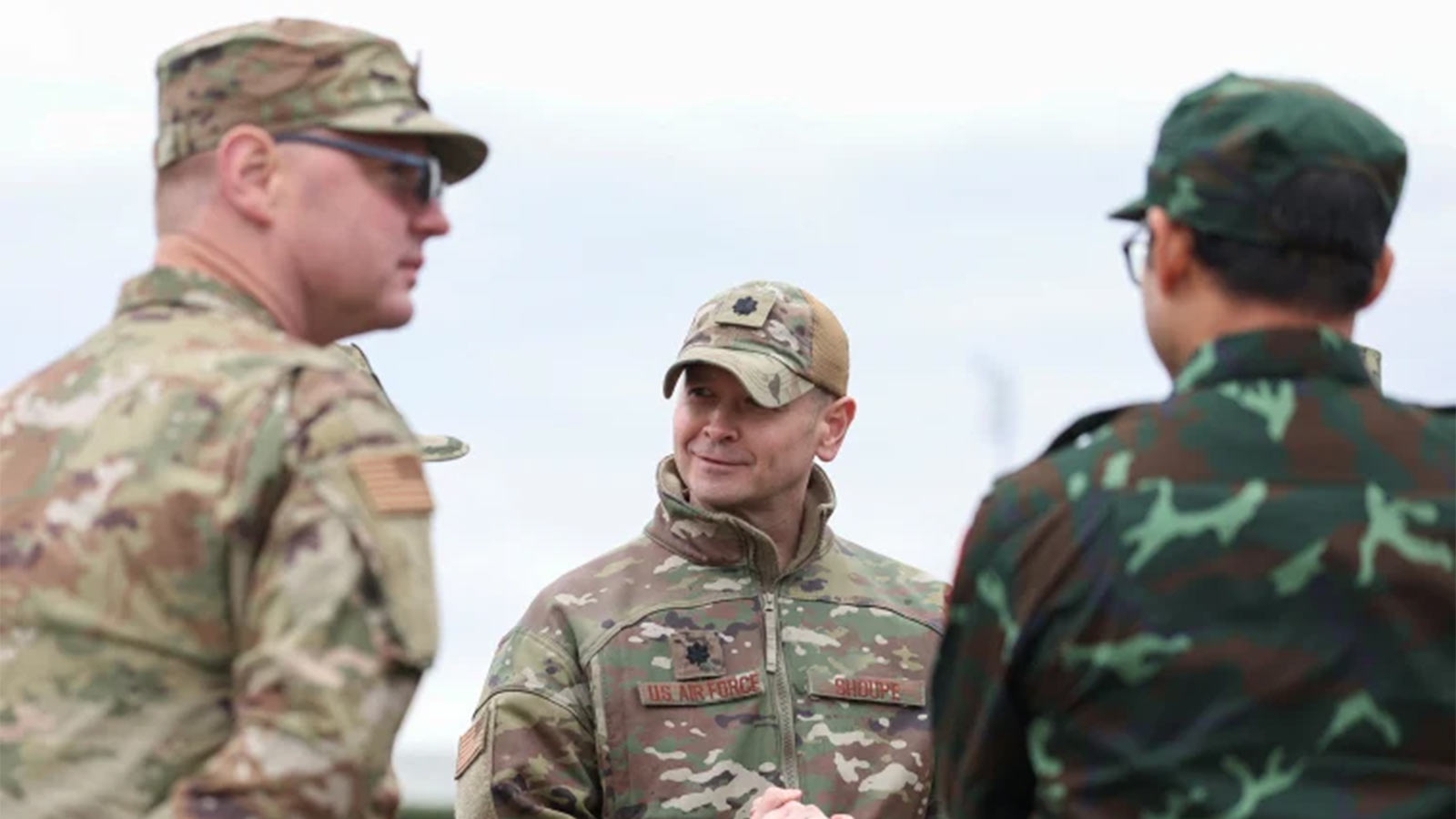
In a striking display of shifting geopolitical dynamics, two US Air Force officers made an unanticipated appearance at the ongoing Zapad-2025 military exercises in Belarus and Russia. Their visit, facilitated by Belarusian Defense Minister Viktor Khrenin, marks a rare instance of US military engagement in a region typically dominated by NATO-Russia tensions.
The Surprising Presence of US Officers
Footage released by Belarus’s Defense Ministry showed the two officers greeting Khrenin, who extended an unusually warm welcome. “We will show you whatever you are interested in. You can go, look around, talk to people,” Khrenin told the officers, underscoring an openness that is not often associated with such high-stakes military drills. Their attendance was described as a “surprise” by the ministry, which noted that the day’s events unfolded in an unprecedented manner.
The Zapad-2025 drills, involving thousands of troops from Russia and Belarus, are widely regarded as a showcase of military might aimed at deterring NATO. However, the presence of US officers, alongside delegations from 23 countries, including NATO members Turkey and Hungary, hints at a more complex narrative.
Escalating Tensions in Eastern Europe
While the drills proceeded, regional tensions remained high. Over the weekend, Poland shot down several Russian drones that violated its airspace, and NATO jets were scrambled over Romanian territory in response to potential threats. These incidents highlight the precarious balance of power in Eastern Europe, where even small provocations can escalate into broader conflicts.
Belarus, a close ally of Moscow, has played a pivotal role in Russia’s recent military campaigns, including the 2022 invasion of Ukraine. By allowing Russian troops to use its territory as a staging ground, Belarus has drawn international condemnation and sanctions. Yet, the current developments suggest a subtle shift in its foreign policy.
Trump’s Diplomatic Push
The visit by US officers comes on the heels of renewed diplomatic efforts by the Trump administration to engage with Belarus. Last week, John Coale, a special envoy of President Donald Trump, met with Belarusian President Alexander Lukashenko. The meeting resulted in the release of 52 detainees, including journalists and opposition figures, a gesture that was met with cautious optimism by the international community.
In a reciprocal move, the United States eased sanctions on Belarus’s national carrier, Belavia, allowing it to procure spare parts for its Boeing aircraft. Trump has also reportedly advocated for reopening the US Embassy in Minsk, which was closed following the deterioration of US-Belarus relations in the early 2000s.
“This is a moment for recalibration,” said a senior US official familiar with the talks. “While we remain cautious, these steps could pave the way for a more constructive relationship with Minsk.”
Implications for Global Geopolitics
The US officers’ participation in the drills, albeit as observers, signals a tentative thaw in relations between Washington and Minsk. However, this development is not without its critics. Some NATO allies have expressed concerns that such engagements could undermine the alliance’s unified stance against Russian aggression.
On the other hand, proponents argue that engaging with Belarus could serve as a strategic counterbalance to Russia’s influence in the region. By fostering dialogue and economic ties, the US may be able to gradually pull Minsk away from Moscow’s orbit.
For Belarus, the benefits of this rapprochement are evident. The easing of sanctions and potential economic cooperation with the US could provide much-needed relief for its struggling economy. However, Lukashenko’s balancing act between appeasing Moscow and exploring ties with the West remains a delicate and risky endeavor.
As the Zapad-2025 drills unfold, the presence of US officers serves as a potent symbol of shifting alliances and the enduring complexities of global geopolitics. Whether this marks the beginning of a new chapter in US-Belarus relations or a fleeting moment of cooperation remains to be seen.