Share
Tweet
Share
Share
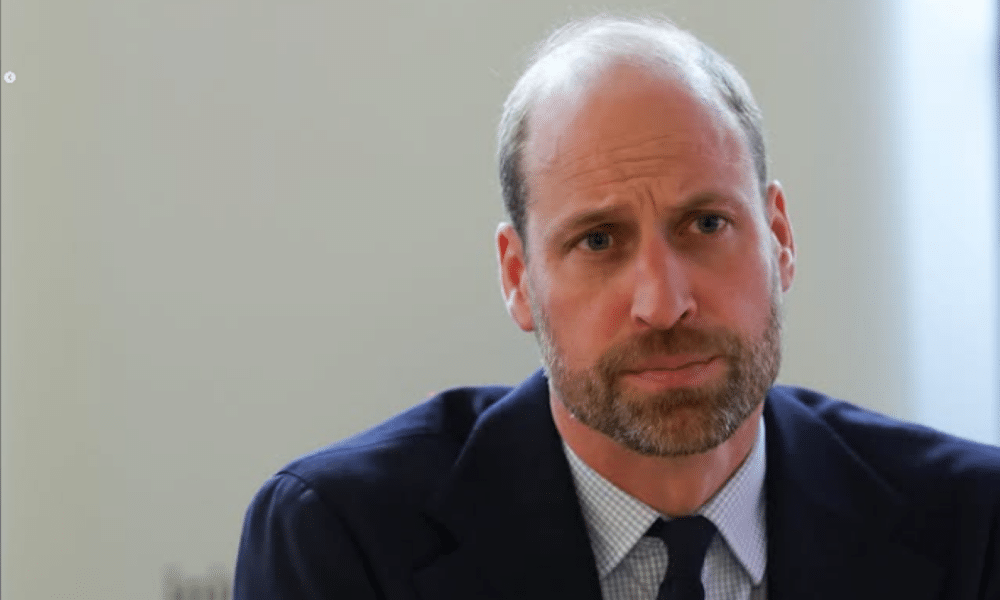
Prince William, heir to the British throne, showed clear dissatisfaction during the funeral of the Duchess of Kent held at Westminster Cathedral. The ceremony, which took place on September 16, 2025, brought together prominent members of the royal family to honor Katharine, Duchess of Kent, who passed away at 92. The event marked a historic moment, being the first Catholic funeral for a royal family member in over three centuries, reflecting changes in royal tradition.
Photographic records captured the prince alongside his uncle, the Duke of York, Prince Andrew, in poses that sparked immediate discomfort. Sources close to William reported that he felt surprised by the imposed proximity during the religious service. The Duchess of Kent, known for her devotion to music and social work, was remembered for her conversion to Catholicism in 1994, a move that broke barriers within the royal family.
The funeral drew attention not only for its solemnity but also for the subtle interactions among those present. William, accompanied by his wife, Catherine, Princess of Wales, maintained a serious expression throughout the event. Andrew’s presence, rare in public occasions, added a layer of complexity to the family narrative.
The ceremony took place at Westminster Cathedral, with a requiem mass led by ecclesiastical authorities.Katharine, Duchess of Kent, passed away on September 4, 2025, surrounded by family.King Charles III attended, but Queen Camilla was absent due to acute sinusitis.Other attendees included Princess Anne and the Duke and Duchess of Edinburgh.
William’s dissatisfaction gained attention after the release of the images, which circulated quickly in media outlets. The prince, seen with a stern face, seemed to avoid prolonged proximity with his uncle. Observers noted gestures of discomfort, such as brief nods and averted gazes, suggesting a tense dynamic.
Historic ceremony at the cathedral
The requiem mass for the Duchess of Kent represented a milestone in British monarchy history. Held at the grand Westminster Cathedral, the ceremony highlighted the evolution of religious practices within the royal family. Katharine, married to Prince Edward, Duke of Kent, since 1961, was the first Windsor to convert to Catholicism in modern times, challenging the 1701 Act of Settlement that restricted marriages and successions involving Catholics.
King Charles III led the tributes, emphasizing the duchess’s dedication to humanitarian and artistic causes. She presided over organizations like the Royal Philharmonic Orchestra and supported initiatives for young musicians. The presence of her son, George Windsor, Earl of St Andrews, and grandchildren underscored the family-oriented nature of the event. The procession included pipers playing traditional hymns, while flags were flown at half-mast at British diplomatic representations worldwide.
William and Catherine arrived dressed in strict mourning attire, with her wearing a protocol headpiece. The prince, as the next in line to the throne, was positioned near the altar, but the seating arrangement placed Andrew close behind. This unintended setup led to moments of forced interaction, captured by photographers. Camilla’s absence, announced by Buckingham Palace, was attributed to a temporary health condition, not altering the solemn tone of the occasion.
Royal protocol experts noted that the Catholic funeral signals modernization under Charles’s reign. The duchess, admired for her empathy and passion for music, left a legacy of over 60 years of public service. Her passing, which occurred at her residence, was communicated by the family, who highlighted her influence on generations of artists and philanthropists.
Family tensions revealed
Interactions between William and Andrew during the funeral exposed long-standing frictions within the royal family. The Duke of York, King Charles’s brother, attempted a brief conversation with his nephew as they left the cathedral but received minimal responses. Observers described the moment as icy, with William maintaining physical and verbal distance. This scene unfolded amid a crowd that gasped upon seeing Andrew arrive alongside his ex-wife, Sarah Ferguson, Duchess of York.
Andrew’s history includes controversies that led to his withdrawal from official duties since 2020. Allegations related to associations with controversial figures resulted in the resignation of patronages and military affiliations. Despite public denials, the case culminated in a confidential financial settlement in 2022 with one of the alleged victims. These events shaped public and internal perceptions of his role in the monarchy.
William, meanwhile, prioritizes an image of integrity and modernity. His decision to limit contact with his uncle reflects a strategy to preserve the institution’s reputation. Sources indicate that the prince views Andrew’s presence at events as an unnecessary risk, especially during times of mourning. The Duchess of Kent, a longtime family friend, would have approved broad attendance, but this did not ease the observed discomforts.
The family dynamic gained further context with reports of past jealousies. Recent publications explore comments attributed to Andrew about Catherine’s rise in the royal family, which reportedly ended close ties with William. These details, drawn from recent biographies, illustrate how personal rivalries influence royal interactions.
William’s gestures included short nods and averted gazes during the exit.Andrew displayed a smile that contrasted with the solemn atmosphere.Sarah Ferguson mediated interactions, briefly speaking with the Wales couple.The external crowd reacted with surprise to the Duke of York’s arrival.
As family bid farewell after yesterday’s royal catholic funeral for the Duchess of Kent, Prince Andrew appears to want to strike up conversation with his nephew & says something he finds funny.
William has no desire to respond.
In fact, he doesn’t say a single word… 👇 pic.twitter.com/cywSFAIbFM
— Chris Ship (@chrisshipitv) September 17, 2025 Legacy of the Duchess of Kent
Katharine, Duchess of Kent, left an indelible mark on British culture through her commitment to the arts. Born in 1933, she married the Duke of Kent in a ceremony that united noble lineages. Her religious conversion in 1994 sparked debate but reinforced her dedication to Catholic and ecumenical causes. Over decades, she presided over concerts and festivals, promoting access to classical music for diverse audiences.
The funeral featured tributes from ecclesiastical figures, including a message from the Pope praising her empathy. Her children and grandchildren, present at the ceremony, inherited her sense of public duty. The duchess supported institutions like the All England Lawn Tennis and Croquet Club, where she inaugurated annual tournaments. Her health declined in recent years, but she maintained discreet engagement until the end.
William expressed admiration for her legacy in past communications, emphasizing her influence on his own philanthropic approach. The ceremony included readings of psalms and hymns composed by her, reflecting her artistic vein. The Duke of Kent, widowed at 92, remained stoic, supported by close relatives.
The monarchy, through official statements, celebrated her life as an example of grace and service. Her passing united the family in mourning, despite underlying tensions, and served as a reminder of the fragility of royal traditions.
Controversies surrounding Andrew
Prince Andrew faced renewed scrutiny with his appearance at the funeral. Since 2020, he has resided in royal properties without public security costs, a decision criticized by taxpayers. Past associations with Jeffrey Epstein, a financier convicted of sex trafficking, dominated global headlines. Andrew denied any involvement in wrongdoing, but the 2022 settlement with Virginia Giuffre, one of the accusers, cost undisclosed millions.
Recent biographies, such as Andrew Lownie’s, detail episodes of jealousy within the family, including remarks about Catherine Middleton. These accounts suggest Andrew viewed her popularity as a threat to his own relevance. William, sensitive to reputation issues, cut formal ties after these incidents, prioritizing the stability of the succession.
Andrew’s presence at the event, alongside Ferguson, who remains close despite their 1996 divorce, highlighted internal divisions. Royal experts predict his marginalization will increase under future reigns. The funeral, though focused on mourning, served as a backdrop for these persistent narratives.
Andrew resigned from military titles in May 2020.The settlement with Giuffre occurred in February 2022.He lost the use of the “His Royal Highness” title in January 2022.Residences include Royal Lodge in Windsor.Ferguson accompanied him at recent public events.Interactions observed at the event
Photographs and videos from the funeral captured moments of discomfort between the princes. Andrew, leaving the cathedral, attempted a brief exchange with William, who responded with a minimal gesture. Body language analysts noted the heir’s jaw stiffness, contrasting with Andrew’s lighter demeanor. Catherine, nearby, maintained composure, exchanging few words with Ferguson.
King Charles intervened in brief interactions but avoided prolonging them. The external crowd, aware of the controversies, reacted with murmurs at Andrew’s arrival. Scottish pipers played during the coffin’s exit, adding solemnity to the scene. These details, widely shared, fueled discussions about family cohesion.
William, focused on duties as a father and philanthropist, demonstrates consistency in avoiding problematic associations. His reported anger reflects a protective stance toward the monarchy’s image. The event, despite the mourning, highlighted how public occasions amplify private tensions.
The Duchess of Kent, in life, promoted family unity, and her funeral ironically exposed fissures. Nonetheless, the focus remained on her legacy, with the family united in a final tribute.