Shaving.
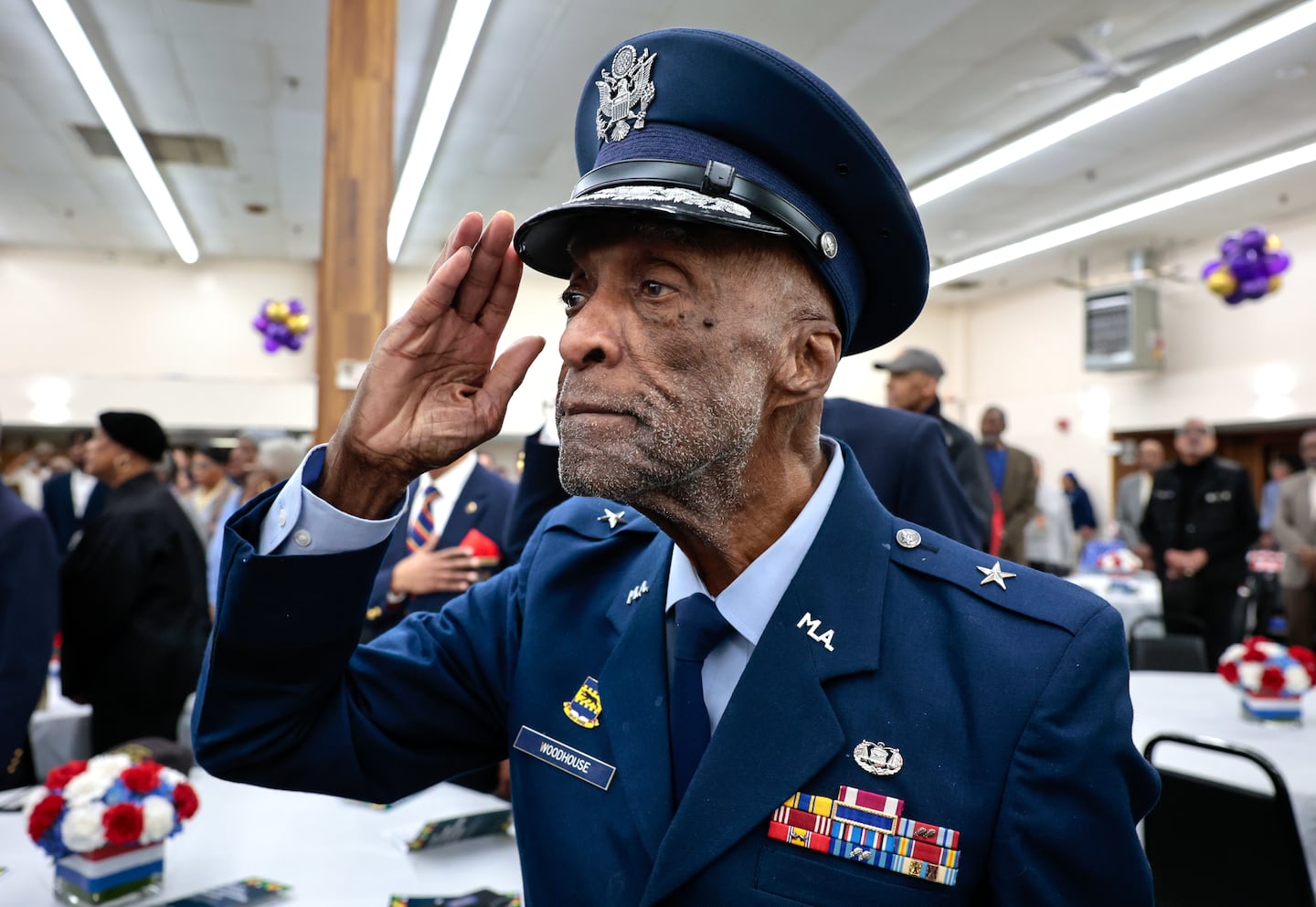
For decades, some servicemembers have been given medical waivers from shaving, most of them for those diagnosed with pseudofolliculitis barbae, or PFB, a chronic condition where hair curls back into the skin after shaving causing irritated bumps. (Anyone who has had ingrown hairs understands just how painful this is.) But last month, Hegseth issued a memorandum on “grooming standards for facial hair” that mandates that those who require a medical exemption from shaving for longer than a year will be booted from the military.
According to the American Osteopathic College of Dermatology, PFB disproportionately affects Black men, about 60 percent of whom suffer from the condition.
This is an excerpt from Outtakes, a Globe Opinion newsletter from columnist Renée Graham.Sign up to get Outtakes in your inbox each week.
“The Department must remain vigilant in maintaining the grooming standards which underpin the warrior ethos,” Hegseth wrote. And whatever he means by “the warrior ethos,” it points to some Black men who volunteered to serve their nation being kicked out of the armed services because of shaving.
This is not a bug. It’s yet another ugly feature of the Trump administration’s determination to marginalize, remove, and bar from participation in American institutions anyone outside of its dangerously narrow vision of a nation by and for straight white men.
That includes the military, despite the fact that Black people, for centuries, have served with distinction in every war this nation has waged.
With their DEI purges and erasures of the achievements of people of color and women, what Trump and Hegseth are doing to the military is very personal to me. Before getting into college, I considered a career in the military. More importantly, I am the daughter, niece (of three uncles), and a cousin of men who served in the military.
Barely out of his teens, my father fought in the Korean War. He didn’t talk much about his service. But I once overheard him swapping stories with one of his brothers — also a Korean War vet — about his time down South during basic training.
When he wanted to leave the base, my father was reduced to lying on the floor of the car as his white Army buddies drove to a restaurant. And that’s where he would remain until they returned. He knew what every Black servicemember knew — to be seen in uniform off the base was to risk being lynched.
Black servicemembers have always fought for a country that has never fully fought for them. In his essential book, “Half American: The Epic Story of African Americans Fighting World War II at Home and Abroad,” Matthew F. Delmont told the story of James Gratz Thompson, a 26-year-old Black man who, in a letter to a newspaper, pondered what it would mean to join a segregated army to fight for a nation where racist Jim Crow laws ruled.
“Should I sacrifice my life to live half American?” he asked. “Will things be better for the next generation in the peace to follow? Would it be demanding too much to demand full citizenship rights in exchange for the sacrificing of my life? Is the kind of America I know worth defending?”
Like other men of the World War II generation, Thompson faced being drafted. Today, everyone in the US military has volunteered to serve a nation they believe is worth defending. But under Trump, Hegseth, the former Fox News yapper who now oversees the military’s more than two million members, has decided that the “warrior ethos” means a clean-shaven chin and cheeks.
Just as trans servicemembers are being pushed out of the armed services only because of their gender identity, what Hegseth is proposing is yet another insult to those who’ve taken an oath to this nation. Diversity has been the military’s greatest asset. But it’s being disassembled by what’s proving to be its greatest threat – its commander in chief and his defense secretary.
This is an excerpt from Outtakes, a Globe Opinion newsletter from columnist Renée Graham.Sign up to get Outtakes in your inbox each week.
Renée Graham is a Globe columnist. She can be reached at renee.graham@globe.com.