
Big Pharma UK was already in ferment before AstraZeneca announced its intention to list its shares in New York, in a big blow to London. GlaxoSmithKline – Britain’s second-biggest drugmaker, after AZ – is having to recruit a new CEO after Emma Walmsley surprised the industry by stepping aside early, after eight years in the post.
These two announcements coming on the same day has set City tongues wagging. Things could be about to get really interesting – but perhaps not in a good way.
Before today, there were two big issues facing the UK’s life-science sector. The first: an ongoing row over how much the NHS pays for its medicines. A “voluntary” rebate mechanism currently in force is, says the industry, far too onerous and ends up costing them pots of cash.
open image in gallery
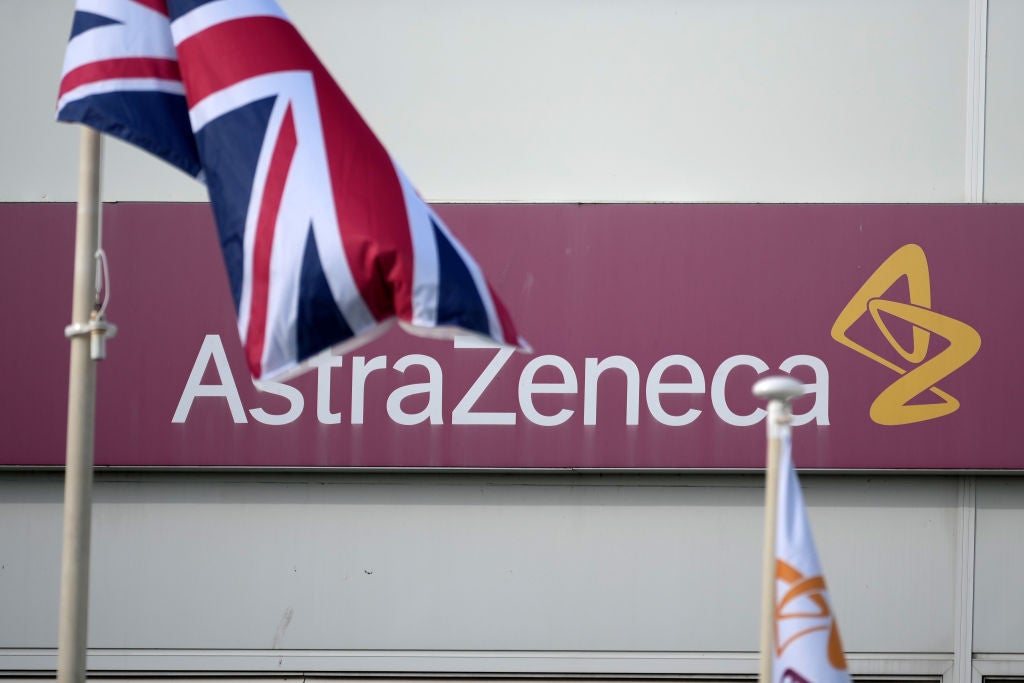
AstraZeneca will retain its London and Swedish stock exchange listings, and its London HQ and domicile for tax purposes. But for how long? (Getty)
At the same time, Donald Trump has been shaking his little fists at the industry, warning of punitive tariffs if drug companies don’t start making more of their product in the US. Which is, we shouldn’t forget, by far the biggest market for most of them. And also one where they can more or less charge what they want.
It is against that backdrop that the UK’s leading biopharmaceutical company is flying to New York. Here’s what it had to say (warning: corporate PR yuck incoming): “AstraZeneca plans to harmonise its share-listing structure to deliver a global listing for global investors in a global company.”
Allow me to translate. As things stand, big US investors can get exposure to AstraZeneca via what are called American Depository Receipts, a sort of secondary share thingy that isn’t much loved by big money managers. A proper New York listing will be much more attractive to them.
“Enabling a global listing structure will allow us to reach a broader mix of global investors, and will make it even more attractive for all our shareholders to have the opportunity to participate in AstraZeneca’s exciting future,” said Astra’s chair Michel Demare.

open image in gallery
The CEO of GlaxoSmithKline, Emma Walmsley, has announced her decision to step down early (GSK)
AZ will still retain its London and Swedish stock exchange listings, and its London HQ and domicile for tax purposes. But for how long? How long before the pharmaceutical and biotechnology multinational, with its labs in Cambridge, announces plans to go with a primary listing? Because life is cheaper and simpler like that.
This has happened before. Consumer products giant Unilever was once listed in both London and Amsterdam, and initially sought to move to the latter, until investors revolted.
I’d put good money on a similar tough decision happening with AZ – just not to London’s benefit this time. I’d also put money on the airwaves popping with calls from ministers and their civil servants to AZ HQ. We’ve seen a steady stream of UK companies heading across the Atlantic: Flutter (Betfair/Paddy Power), Ashtead (construction/industrial equipment hire), Ferguson (plumbing) have all made the move. When SoftBank chose to relist Cambridge chip designer Arm, it also chose New York – as have a number of feisty young UK companies.
AstraZeneca quitting London would be a real hammer blow, at a time when the UK’s life-science sector has been losing lustre faster than Covid can develop new variants for vaccine makers to tackle. Big investments have recently been pulled by AZ and Eli Lilly, and they are far from alone.

open image in gallery
A man in Kenya receives AstraZeneca’s Covid-19 vaccine, of which the company produced 3 billion doses (AP)
The Association of the British Pharmaceutical Industry says life-sciences foreign direct investment dropped by 58 per cent between 2021 and 2023, and that the UK has been falling down league tables despite its many strengths (top universities, skilled researchers, robust patent protections, rich ecosystem of biotech companies etc). Honestly? It has become the Manchester United of Pharma: a one-time championship-winning global giant – it produced more than 3 billion doses of its Covid-19 vaccine – has fallen on hard times.
I get that Big Pharma arouses people’s ire, given its vast profits and the dizzying sums paid to its executives. But commercial organisations will go where they feel the sun is shiniest, the returns are highest and the conditions are most friendly. The UK is not that. Not any more.
It isn’t exactly an ideal time to be suggesting that we pay more for drugs, given the state of the NHS and the public finances. However, medicine rarely tastes nice. You take it in the hope that it does some good. Health secretary Wes Streeting and chancellor Rachel Reeves need to think of this as an investment. Pay more for meds, get more investment, jobs and economic oomph. And, while we’re at it, get better access to new treatments for ailing Britons. We’re losing out on those, too.
What’s happening over at GSK is also instructive, and seems like a portent. Walmsley’s replacement is to be an internal hire, GSK’s chief commercial officer Luke Miels. Guess where GSK poached the 50-year-old Australian from? Yep – AstraZeneca.