New Delhi: Immigration has taken a centre stage in the West. The United States, which relies heavily on Indian professionals, is now making entry harder even for them. Europe has raised walls against outsiders.
In the middle of these closed gates, Belarus, which is counted among the continent’s poorest states, has chosen to embrace new arrivals. The migrants it is inviting come not from wealthy nations, but from Pakistan. The question now resonates across South Asia and Europe: why is there a steady movement from one troubled land to another fragile state?
Pakistan’s Pressures At Home
Add Zee News as a Preferred Source

With a population crossing 250 million, Pakistan has lived for decades in cycles of economic strain. Political instability runs deep in its veins. Unemployment is widespread. Data shows that more than 30 percent of the country’s graduates sit without jobs. For a restless youth population, that reality has turned into frustration.
On the other side stands Belarus. Its population has dipped below 10 million. A wave of political unrest and opposition to the ruling establishment has triggered an exodus toward other European regions. Factories, farms and construction projects now face a shortfall of workers. Where Belarus seeks hands, Pakistan seeks opportunity.
The partnership began in 2025 when Prime Minister Shehbaz Sharif travelled to Minsk. The Belarusian government soon announced that Islamabad could send up to 150,000 trained and semi-trained professionals. Technical workers, manufacturing specialists and construction labourers topped the list. The first batches have already set foot in Minsk.
Why Belarus Appeals To Pakistanis
For Islamabad, migration has become a safety valve. Sending young Pakistanis abroad eases pressure at home. Idle hands find wages elsewhere, keeping domestic discontent in check.
For workers, the attraction is simple economics. The average Pakistani earns under $300 a month. In Minsk, wages can rise to three times that amount. Even if Belarus is poor by European standards, its income levels far outstrip Pakistan’s.
Geography adds to the pull. Belarus shares borders with Ukraine, Poland, Russia, Latvia and Lithuania. Once inside, migrants find pathways to other European destinations. Crossing into Poland or Ukraine offers entry into wealthier EU regions. Expulsion from these countries is difficult under international rules. Many see Belarus as the soft entry gate into Europe. Visa processes are easier, and onward movement is always possible.
This explains why Pakistan is not alone. Migrants from several Asian countries are using Belarus as a stepping stone.
A Hidden Agenda?
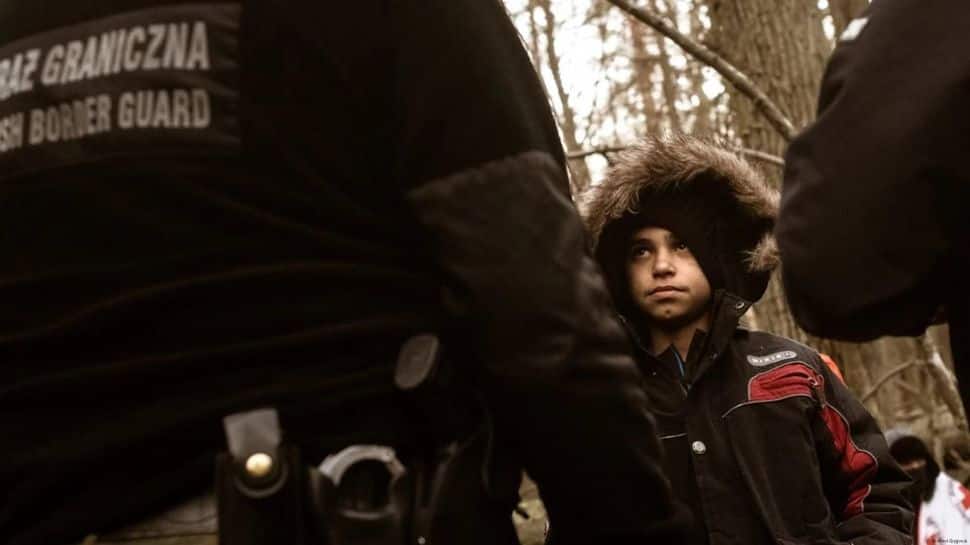
Neighbouring Poland has accused Belarus of deliberately drawing in outsiders. Polish defense officials warned in 2023 that migrants were being funnelled across the border as part of a larger strategy.
Warsaw’s defense ministry claimed that Belarus and Russia were conducting a “hybrid war”, using migration to destabilise European borders. Extra troops were deployed along Polish frontiers.
Life In Belarus For New Arrivals
Belarus carries its own risks. Since the 1990s, President Alexander Lukashenko has held absolute control. Western observers describe him as Europe’s last dictator. Free elections do not exist. Independent media remains suppressed.
During the pandemic years, fraudulent elections sparked nationwide protests. Security forces cracked down brutally. Citizens were beaten, leaders jailed and journalists silenced. The economy worsened under sanctions and unrest. Social protections remain weak.
Migrants enter this uncertain climate. Tensions between locals and newcomers may grow as numbers rise. Economic hardship and political repression add layers of insecurity. Still, the promise of wages and the lure of Europe’s doorstep keep Pakistanis coming.
The Russia Factor
Belarus’s alignment with Moscow runs deep. When the Soviet Union broke apart, many republics drifted westward. Belarus stayed close to Moscow. Trade, military cooperation and strategic coordination have bound them together. Moscow sees Belarus as a buffer zone against NATO and the EU.
Critics in the West believe Belarus uses migration as part of this alliance, inviting outsiders not only for labour but also as a political tool.
For Pakistanis seeking a better life, these geopolitical games remain secondary. They see Belarus as a chance to escape unemployment and poverty at home, even if it means stepping into another storm.