Posted inDemocracy Governance
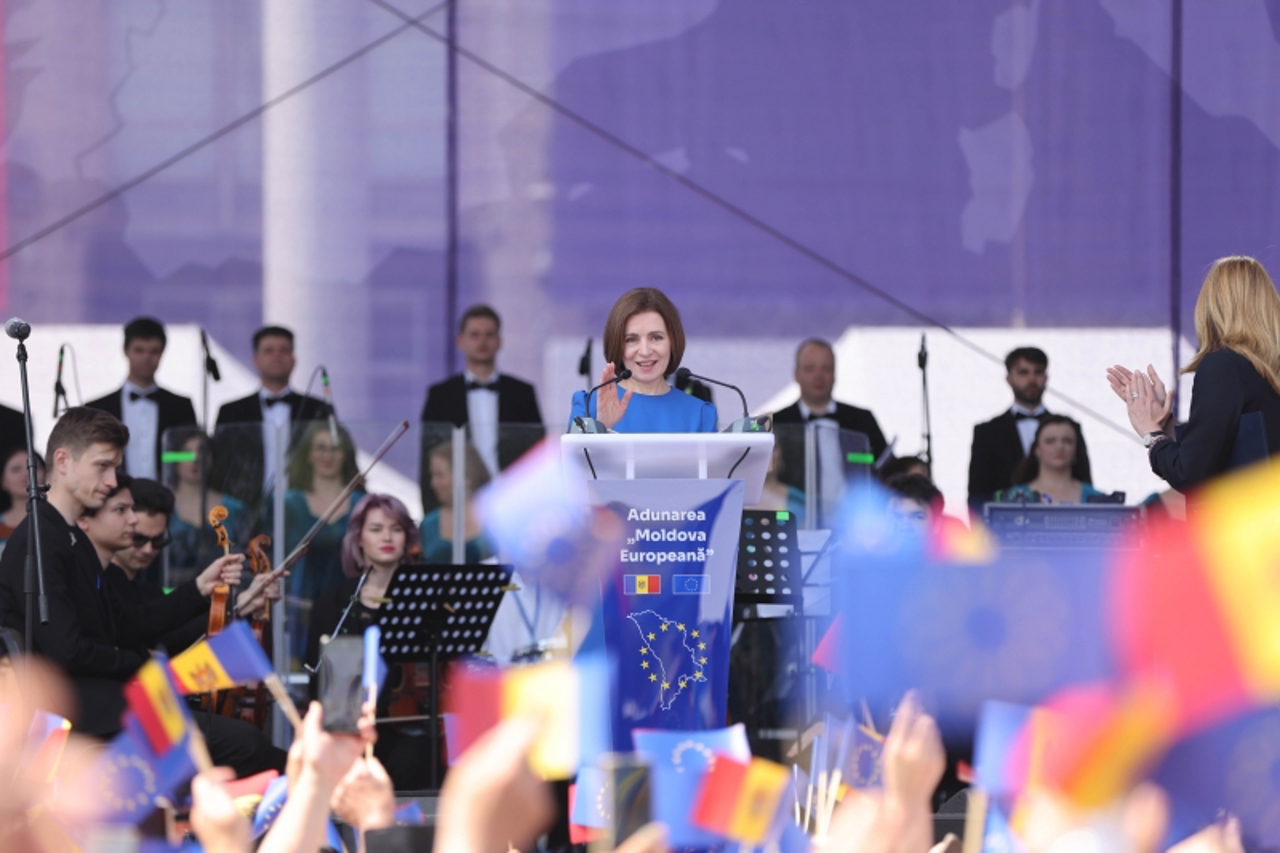
Moldova’s pro-EU Party of Action and Solidarity (PAS) won the September 28, 2025 parliamentary elections, retaining a single-party majority (about 55/101 seats). The result defied months of Russian interference—disinformation, cyber pressure, clerical/NGO channels, and financing of the Victory/Pobeda bloc linked to Ilan Șor (already EU-sanctioned). Moscow-aligned actors (Șor, the Patriotic/“Victory” camp) are rejecting the outcome and preparing legal and street pressure. Expect continued destabilization aimed at hobbling the Sandu government’s EU track through 2026.
What happened (results snapshot)
PAS retained a majority; media tallies and early official counts show PAS at ~50% of votes and ~55 seats, with the main Moscow-leaning bloc well behind.
Opposition reaction: Exiled oligarch Ilan Șor and allies say they’ll appeal domestically and internationally; Russian state-aligned outlets amplify fraud claims
Context: The EU sanctioned Victory/Pobeda and affiliated operators in July 2025 for actions “destabilising” Moldova (disinfo, illicit finance.
very likely that Russia qill keep destabilizing the Sandu government. The Kremlin failed to flip the legislature; the next-best option is to erode governing capacity and delegitimize the mandate.
Likely lines of effort (2025–26):
Narrative warfare & legal contestation
Sustained claims of a “stolen election,” coordinated appeals, and pressure on the Constitutional Court to slow certification and legislation
Street-pressure options
ISW warns Moscow is setting conditions for protests, potentially violent, calibrated to court milestones and EU-accession steps
Platform & clerical amplification
Telegram/TikTok farms and church-mediated messaging—tactics flagged during the campaign—will sustain anti-government framing in Gagauzia/Transnistria and among diaspora.
Illicit financing & proxy party building
Despite sanctions, expect new political labels and social-aid/vote-buying schemes that recycle Șor networks under fresh branding
Cyber disruptions
Episodic DDoS, credential phishing, and media-site clones to coincide with sensitive announcements and OSCE/CEC briefings
Strategic aim: keep Sandu’s team busy, brittle, and unpopular so EU-accession milestones slip—and to show other near-abroad states that pro-EU paths are costly
Dismantling pro-Russia forces is strategically important
Protect the EU-accession track
The vote gives PAS a mandate to push judicial/anti-corruption reforms central to EU negotiations; Moscow’s networks exist to derail those steps
Shield the information space during a regional war
With Russia’s war against Ukraine next door, Moldova is a front-line info theater; leaving influence assets intact invites crisis exploitation
Counter illicit finance and state capture
EU listings document Pobeda/Șor structures’ role in vote manipulation and disinfo; disabling these flows reduces recurrent electoral sabotage
Reduce spillover risk to Romania/Black Sea security
A destabilized Moldova complicates EU/NATO posture in the Black Sea, stretching resources and opening a corridor for Russian leverag
Policy priorities (actionable, near-term)
Enforce & extend EU listings: Freeze assets, block re-branding of listed entities; request follow-on listings for newly emerged party labels and intermediaries
Hardening elections/courts window (next 30–90 days): Surge cyber defense for CEC, courts, and key media; pre-bunk common fraud narratives; publish fast, visual chain-of-custody explainers for results
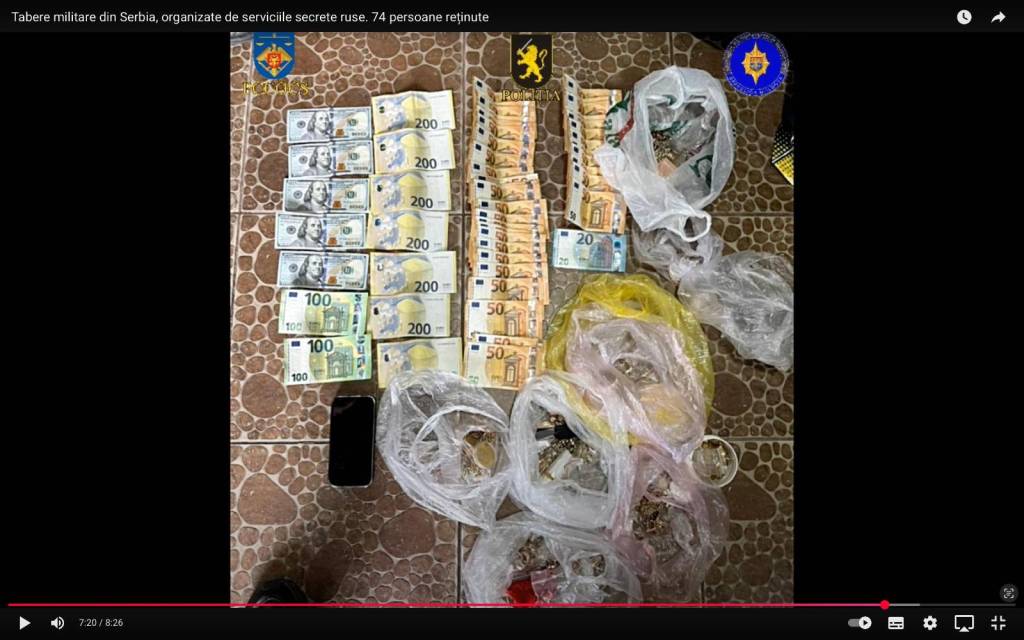
Financial forensics: Task a joint cell (Prosecutor + FIU + EU advisors) to track cash-for-votes/social aid pipelines tied to Victory/Pobeda and successors; move fast asset-freezes
Clergy/NGO transparency: Rapid-cycle disclosure rules for foreign-funded NGOs and religious institutionsengaged in electioneering; protect genuine religious speech while policing covert political spend
Diaspora resilience: Coordinate with host states to keep polling sites open under bomb-threat hoaxes/cyber spoofs; targeted comms to diaspora about official channels
Strategic comms with proof: Publish monthly sanctions/financing dashboards and case studies (with receipts) to inoculate audiences against “political persecution” claims. (Analytical recommendation, based on cited interference patterns.)
Indicators to watch
Coordinated appeals & injunctions against CEC results; synchronized Telegram pushes around each filing
New party labels/front NGOs reusing Victory/Pobeda activists and cash routes within sanctioned ecosystems
Spikes in protest logistics (busing, per-diem payments) near court dates and EU-related votes; presence of out-of-region agitators.
Campaign-style clerical messaging and parish media that mirror Kremlin narratives; cross-posting into national feeds
Cyber events timed to OSCE/CEC press points or government reform announcements
Bottom lineMoscow lost the ballot but will try to win the aftermath. Dismantling the pro-Russia financing, media, and proxy-party infrastructure—already mapped in EU sanctions—won’t just protect Sandu’s government; it will lock in Moldova’s EU trajectory and reduce a live avenue for Kremlin pressure on the Black Sea flank.


Post navigation