As president of The Malta Chamber of Commerce, Enterprise and Industry, I feel the need to be direct: Malta cannot keep going down the same road. We have reached a point where the cracks in our economy are too wide to ignore.
For too long, our model has been based on more – more construction, more workers, more tourists. It delivered growth on paper, yes, but at what cost? Today our roads are choked with traffic, public services are stretched to breaking point, our housing market is out of reach for many, and the environment is being eroded beyond recognition.
This is not sustainable. It is not the future we want for our children. And if we don’t act now, Malta’s competitiveness, reputation, and quality of life will decline further.
We don’t need more. We need better.
Better competitiveness: let’s be clear: good, ethical businesses are being punished while others who cut corners or avoid their obligations get away with it. That is unacceptable. Enforcement must be consistent, fair, and timely. A level playing field is the foundation of a healthy economy. If we fail here, the honest business community loses trust, and foreign investors look elsewhere.
Better planning and policy: Malta needs a modern industrial policy focused on high-value sectors – manufacturing clusters, aviation, financial services, digitalisation. These are areas that bring in real value, not just numbers. But this requires reliable energy, efficient logistics, and less red tape. We cannot keep delaying big decisions on infrastructure while our ports remain uncompetitive and our energy grid risks collapse under growing demand.
Better use of public money: government spending keeps ballooning, especially on a public sector that is already bloated. Between 2019 and 2024, the public sector wage bill increased by nearly 50%, while productivity did not. Spending more without becoming more efficient is not a solution. The focus must shift from recurrent spending to capital investment – projects that truly enhance Malta’s competitiveness and resilience.
Better governance: this is perhaps the most critical point. Without transparency and accountability, nothing else will work. Public procurement reform is long overdue.
Contracts must be open, fair, and properly monitored. Whitelists and blacklists for suppliers, a national contracts register, and six-month advance procurement plans are not luxuries – they are basics. Good governance is not only about ethics, it is about competitiveness. Investors need trust. Without it, Malta risks being branded as unreliable.
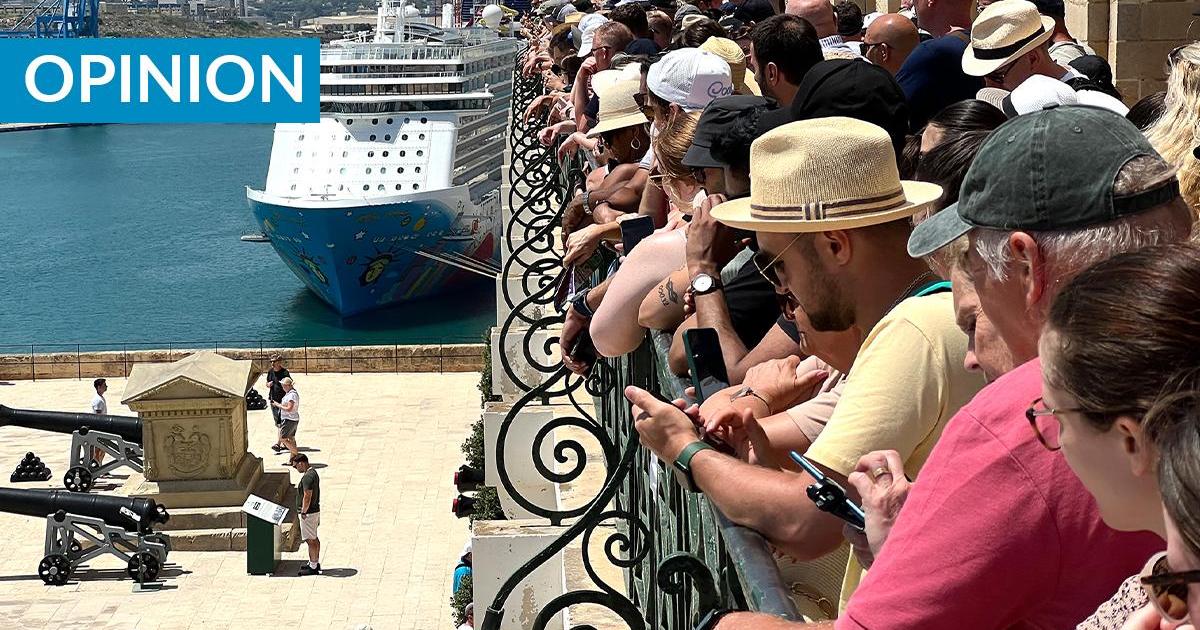
Better tourism: tourism is a pillar of our economy, but quantity-driven growth has reached its limit. More hotels and more beds are not the answer. We need quality tourism – cultural, gastronomic, religious, and business tourism that generates higher value with less pressure on our communities and environment. A clear national tourism plan, regulation of short-term rentals, and reinvestment of eco-contributions back into localities are urgent steps.
We have reached a point where the cracks in our economy are too wide to ignore- William Spiteri Bailey
Better sustainability: our energy subsidies are costing taxpayers hundreds of millions every year, yet they encourage waste.
We must phase them out gradually, replacing them with fair incentives for renewables, water efficiency, and green building standards.
Malta should be aiming for leadership in sustainability, not playing catch-up. Sustainability is not just about protecting the environment; it is about protecting the economy from future shocks.
Better investment in people: the future of Malta depends on skills, innovation, and human capital. We must shift from low-value, labour-intensive jobs to high-value, knowledge-driven employment. That means tax incentives for R&D, strong STEM education from early years, and measures to attract back Maltese talent working abroad.
Our brightest minds should see Malta not as a place to leave, but as a place to live and build their future.
The message of the Malta Chamber is simple: time is up for half-measures. For too long, we have put off tough decisions, preferring quick fixes and short-term giveaways. Envision 2050 gives us a long-term plan, but without action, it is just another document gathering dust.
We either take bold decisions now, or we condemn ourselves to mediocrity – a country where infrastructure crumbles, institutions lose credibility, and businesses compete on the lowest denominator.
The Malta Chamber appeal to policymakers: choose courage over complacency. Choose quality over quantity. Choose to build a Malta where competitiveness, fairness, and sustainability are not slogans, but reality.
The future will not wait and neither should we.
William Spiteri Bailey is president of the Malta Chamber of Commerce, Enterprise and Industry.