Quick Read
Trump pledged to ‘vigorously’ defend Finland if Russia attacks.US signed a deal to purchase up to four icebreakers from Finnish shipyards.Trump criticized Spain for lagging in NATO defense spending.Finnish President Stubb said Nobel Prize decision depends on solving global conflicts.US-Finland cooperation focuses on Arctic security and commerce.
Trump’s Bold Pledge: Finland’s Security Takes Center Stage
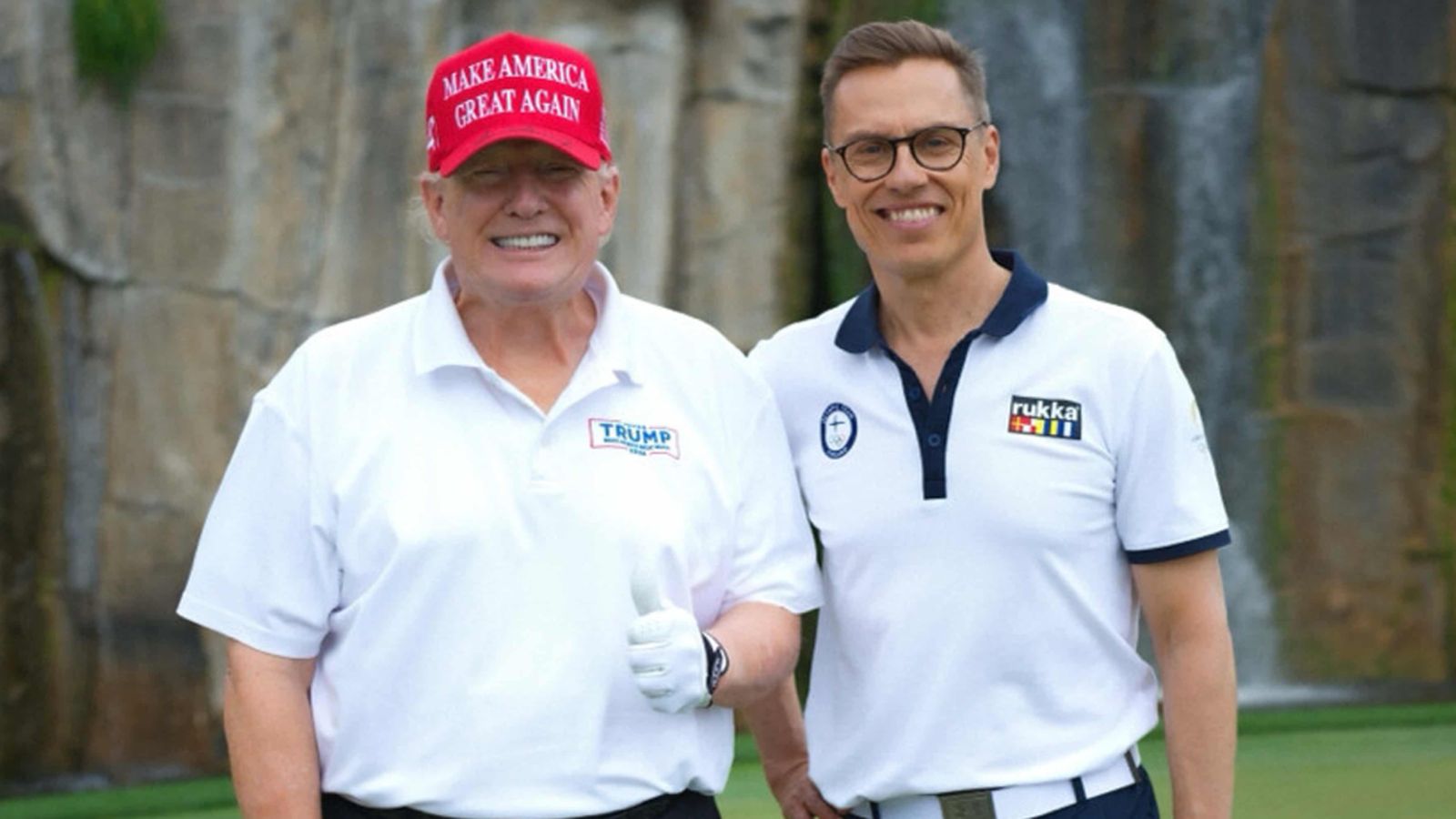
It was a day marked by direct promises and diplomatic symbolism in Washington. President Donald Trump, sitting across from Finnish President Alexander Stubb in the Oval Office, didn’t mince words when asked if the United States would defend Finland against Russian aggression. His answer was swift, almost instinctive: “I would, yes, I would,” he told reporters. And when pressed about the manner of such defense, Trump’s reply was just as emphatic—“vigorously.”
This simple but potent declaration echoes far beyond the White House walls. It comes at a time when Europe’s security architecture is being re-examined, with Finland’s recent NATO membership shifting the region’s balance. For Trump, whose past remarks have sometimes cast doubt on unwavering U.S. commitments to NATO allies, this was a public affirmation that, at least for Finland, the promise holds strong. The President added that he sees the risk of Russia attacking Finland as “very, very, very small.” But the reassurance was clearly intended for both Finnish ears and the broader alliance.
US-Finland Icebreaker Deal: Security Meets Commerce
But Trump’s meeting with Stubb wasn’t just about defense pledges. The two leaders signed a Memorandum of Understanding laying the foundation for a commercial agreement between the U.S. Coast Guard and Finnish shipbuilders. The deal will see the United States purchase up to four icebreaker ships from Finland—a move aimed at bolstering America’s capabilities in the rapidly changing Arctic.
Why icebreakers? The answer lies in the shifting geopolitics of the North. As Arctic ice retreats, new maritime routes are opening, and both Russia and China are expanding their presence. Trump has been vocal about the need for the U.S. to catch up, describing icebreakers as a “critical asset for national security.” The agreement is more than a business transaction—it’s a signal that the U.S. and Finland are investing together in a secure Arctic future. High North News reports that the Finnish shipbuilding industry stands to gain significantly from the deal, while U.S. officials tout the strategic advantages.
NATO, Spending, and the Spain Controversy
Trump’s stance on NATO was another headline-grabber. While reaffirming close cooperation with Finland and the alliance, he didn’t shy away from criticizing other members. Spain came under fire for lagging on defense spending, with Trump going so far as to suggest, “Maybe you should throw them out of NATO, frankly.” His comments reignited debate over alliance burden-sharing, a topic that has dogged NATO summits for years.
Trump claimed his push for a 5 percent GDP threshold on defense spending—above NATO’s official 2 percent benchmark—was gaining traction. Most allies, he said, were on board, except Spain. The implication: solidarity is conditional, and the U.S. expects tangible commitments from its partners.
Nobel Prize Speculation: A Moment for Reflection
The bilateral meeting wasn’t without lighter moments. Reporters pressed President Stubb on whether Trump deserves the Nobel Peace Prize, set to be awarded the following day. Stubb deflected, saying the decision rests with the Nobel Committee, but added that major global conflicts—specifically those in the Middle East and between Russia and Ukraine—must be resolved before such recognition could be justified. “Once those are solved … I don’t see any impediments to Trump next year,” Stubb mused.
He nominated Ukrainian President Zelenskyy and the King of Jordan as current candidates, referencing the ongoing work toward peace in the region. Trump, for his part, touted peace deals brokered during his second term, framing his diplomatic efforts as worthy of international acclaim.
Security, Symbolism, and the Arctic Future
Beyond the headlines, the meeting between Trump and Stubb captured a moment of recalibration in transatlantic relations. Finland’s leap into NATO and its deepening partnership with the U.S. reflect a broader European realignment in the face of Russian assertiveness. The icebreaker deal is more than steel and engines—it’s a metaphor for breaking through old barriers, forging new alliances, and navigating uncharted waters.
For many in Finland, Trump’s pledge offers reassurance amid uncertainty. For the U.S., the icebreaker agreement is a practical step toward countering rival powers in the Arctic and solidifying cooperation with a key northern ally. As Stubb noted on social media, the memorandum “lays the foundation for commercial agreements between the United States Coast Guard and Finnish companies.”
Still, questions linger. Is Trump’s commitment to NATO unconditional, or does it depend on financial contributions, as past comments suggest? Will the U.S.-Finland partnership endure beyond the current administrations? And in the volatile world of Arctic politics, will icebreakers prove as decisive as promised?
As the world watches the Nobel Prize announcements, the real test of leadership may not be medals, but the ability to steer alliances through storms—both literal and political. The Trump-Stubb meeting, marked by firm words and concrete deals, is a snapshot of diplomacy in action: pragmatic, sometimes blunt, but always evolving.
Trump’s affirmation of support for Finland and the tangible icebreaker agreement highlight a shift toward practical, security-driven cooperation between the U.S. and its northern allies. While words like ‘vigorously’ carry rhetorical weight, the underlying message is that defense and commerce are now intertwined in the Arctic’s future, making Finland not just a partner but a linchpin in evolving U.S. strategy.