WANA (Oct 11) – Iran’s Minister of Energy announced that the country’s renewable electricity generation capacity has exceeded 2,550 megawatts, following the start of construction on an additional 400 megawatts of projects.
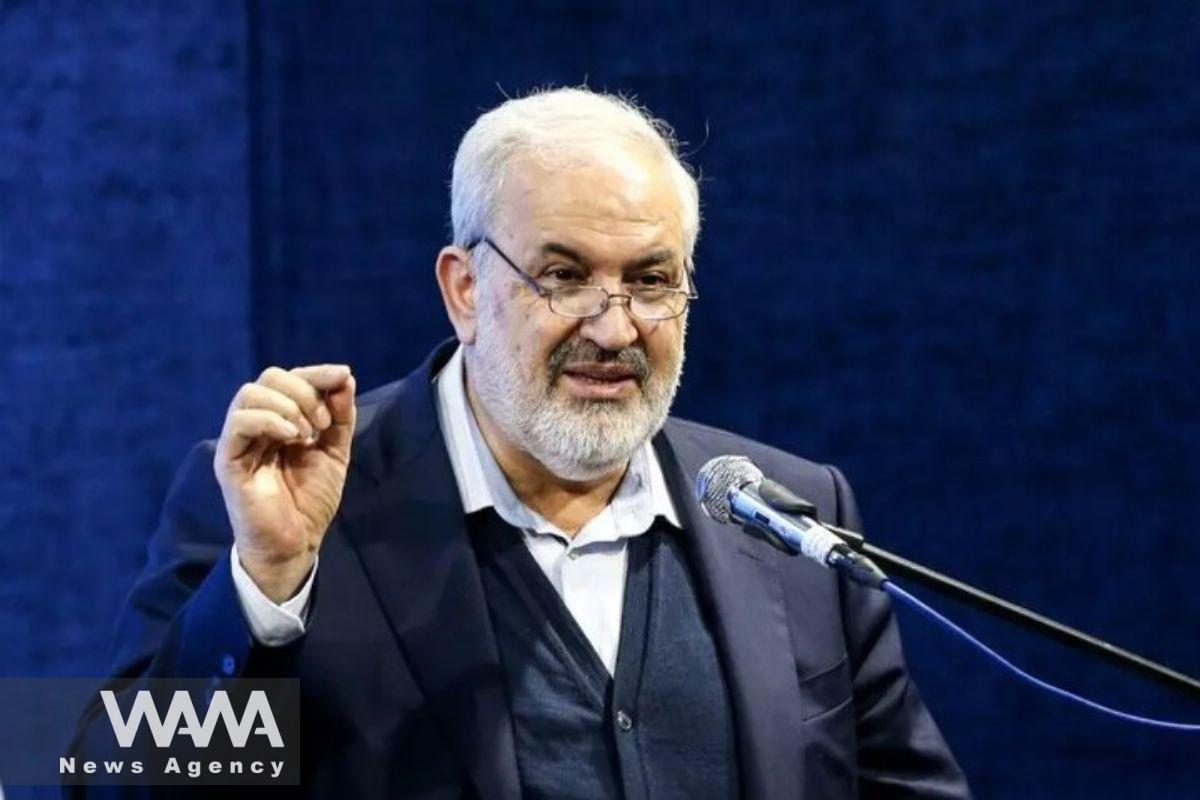
Speaking via video conference at the inauguration and groundbreaking ceremony for several solar power plants, Minister Abbas Aliabadi highlighted the government’s achievements in renewable energy. He said Iran’s current renewable capacity includes:
2,031 MW of solar power
370 MW of wind energy
100 MW of small hydropower
372 MW from expansion turbines (25 MW) and biogas/bioenergy plants (22 MW)
Aliabadi stressed the environmental benefits, noting that the launch of just over 200 MW of solar power will save approximately 124 million cubic meters of natural gas per month and prevent the annual emission of 257,000 tons of greenhouse gases. He added that when applied to the total 2,550 MW of renewable capacity, millions of tons of greenhouse gases are prevented from being released, underscoring the environmental significance of this development.
The minister also highlighted the rapid pace of solar projects: “Previously, Iran’s maximum annual solar construction was 100 MW, but now we are building or inaugurating 100 MW of solar capacity every week.”
Over the past year, more than 2,300 MW of solar and 4,000 MW of thermal electricity have been added to the national grid, including the completion of semi-finished units and the performance upgrade of existing plants.
Aliabadi emphasized the importance of distributed generation and private sector participation, noting that managing consumption and improving energy efficiency is more cost-effective than generating additional power.
He also announced the launch of Iran’s Energy Optimization Market, with the first energy-saving token issued yesterday — a major step toward demand management and cost reduction compared to conventional energy production.