Published on
October 13, 2025

In a strategic move to boost its tourism sector, Vietnam has unveiled a new visa policy allowing European nationals from 12 countries, including Denmark, Germany, Hungary, and Switzerland, to enter the country visa-free for up to 45 days. This decision, which aligns with Vietnam’s goal of becoming a leading destination in Southeast Asia, not only simplifies travel for European tourists but also aims to increase the country’s international arrivals. With visa-free access, the new policy is expected to attract more visitors, stimulate local economies, and position Vietnam as a more competitive player in the global tourism market.
As the autumn breeze replaces the sweltering summer heat in Hanoi and Ho Chi Minh City, Vietnam’s tourism industry is basking in the success of a recent policy change that’s set to transform its position on the global stage.
The country’s latest resolution has paved the way for citizens from 12 European nations—Belgium, Bulgaria, Croatia, Czech Republic, Denmark, Germany, Greece, Hungary, Luxembourg, the Netherlands, Poland, Romania, Slovakia, Slovenia, and Switzerland—to enter without a visa for stays of up to 45 days. This isn’t just a procedural update; it’s a strategic move aimed at strengthening Vietnam’s standing in the competitive Southeast Asian tourism market, where streamlined border entry is a significant selling point. The early signs are promising. In the first nine months of 2025, Vietnam welcomed 15.4 million international visitors, marking a 21.5% increase over the previous year. The new visa policy is already contributing to these numbers, with officials optimistic about continued growth.
Strategic Visa Policy for Global Impact
Vietnam’s recent visa policy shift is part of a broader effort to bolster the country’s tourism sector. By extending visa-free entry to 24 countries, the total number of visa-exempt nations has now reached 39. For the 12 European countries covered by the new rule, citizens can enter Vietnam for up to 45 days for tourism, provided they meet standard entry conditions. The policy will remain in place until August 14, 2028, aligning with the government’s Tourism Recovery Program, which aims to exceed pre-pandemic visitor levels and target between 23 to 25 million international arrivals annually.
This decision is driven by global trends. Research from the World Tourism Organization suggests that visa waivers can lead to an increase in tourist arrivals of anywhere from 5% to 25%. Southeast Asia’s tourism leaders, like Malaysia, Singapore, and Thailand, already boast visa-free entry for large numbers of countries. Malaysia saw 37 million visitors in 2024, while Thailand’s tourism soared, surpassing its pre-pandemic records with over 35 million international arrivals. Vietnam’s allure—its stunning landscapes and rich culture—is undeniable, but the convenience of visa-free entry is quickly proving to be a key factor in attracting more visitors.
The Economic Impact of the Policy
The figures speak for themselves. According to Vietnam’s General Statistics Office, July 2025 saw 1.56 million international visitors, a 35.7% increase year-on-year, with a 6.8% rise from the previous month. August showed even more promise, with 1.68 million arrivals, marking a 16.5% year-on-year jump and a 7.8% increase from July. September’s numbers were slightly lower at 1.52 million, but still represented a solid 19.5% year-on-year increase. The total number of international visitors between January and September was around 15.4 million, an impressive 21.5% rise compared to the same period in 2024.
Vietnam’s new policy is proving particularly attractive to European tourists, who have already contributed to these rising numbers. The country’s growing European presence is being seen as a direct result of the visa waivers. Among the top sources of international visitors, China led with 3.8 million visitors, followed by South Korea at 3.2 million, Taiwan at 926,000, the U.S. at 622,000, and Japan at 617,000. While the exact impact of the new European markets is still unfolding, the shift is clearly supporting Vietnam’s strong performance in Asia.
Boosting Local Economies and Promoting Sustainable Growth
The influx of European tourists is benefiting not just major cities like Hanoi and Ho Chi Minh City, but also regional destinations. According to industry players, Europeans tend to stay longer and venture beyond the usual hotspots, which boosts local economies. Cities like Da Nang and Phu Quoc are seeing record hotel occupancy rates, and the aviation sector is also feeling the positive effects, with airlines such as Vietnam Airlines expanding routes to European cities. The country’s vibrant MICE (Meetings, Incentives, Conferences, and Exhibitions) industry is also thriving, contributing to the surge in demand for travel services.
The increased number of international visitors presents Vietnam with an opportunity to focus on long-term sustainable growth. Dr. Nguyen Duc Trong, a tourism expert at the National Economics University, highlights that while visa openness is a good start, sustainability is essential for lasting success. The country must invest in improving infrastructure, such as expanding Tan Son Nhat International Airport and enhancing transportation in rural areas. Promoting diverse attractions like culinary tours in Hue, kayaking in Ninh Binh, and cultural experiences with local communities will also be key.
The Role of Environmental Protection
As tourism numbers rise, environmental responsibility will become even more important. Vietnam must foster green tourism by banning plastic on beaches and offering carbon offset programs for flights. The country should aim to spread tourist activity beyond just Hanoi and Ho Chi Minh City, helping to distribute the benefits to areas like the Mekong Delta and the central highlands. Supporting local crafts and promoting eco-friendly accommodations and activities will ensure that tourism remains a positive force for both the economy and the environment.
A Bright Future for Vietnamese Tourism
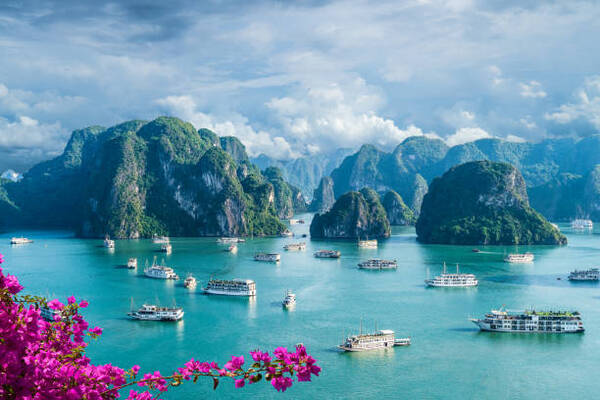
Vietnam is not just reopening its borders to international tourists—it is setting the stage for a new era of tourism. The combination of natural beauty, cultural heritage, and easy access through visa-free entry is making the country an increasingly attractive destination. With the continued support of its Asian neighbors and growing interest from Europe, Vietnam is on track to reinvent itself as a top tourism player in Southeast Asia. As one European traveler put it after a visit to Ha Long Bay: “No visa worries, just pure magic.” This simple sentiment encapsulates the success of the new policy and the bright future that lies ahead for Vietnam’s tourism industry.
