Sweden has diverged from several European peers in its autumn COVID-19 vaccination strategy, prompting criticism from medical experts and raising questions about the balance between public health and fiscal prudence.
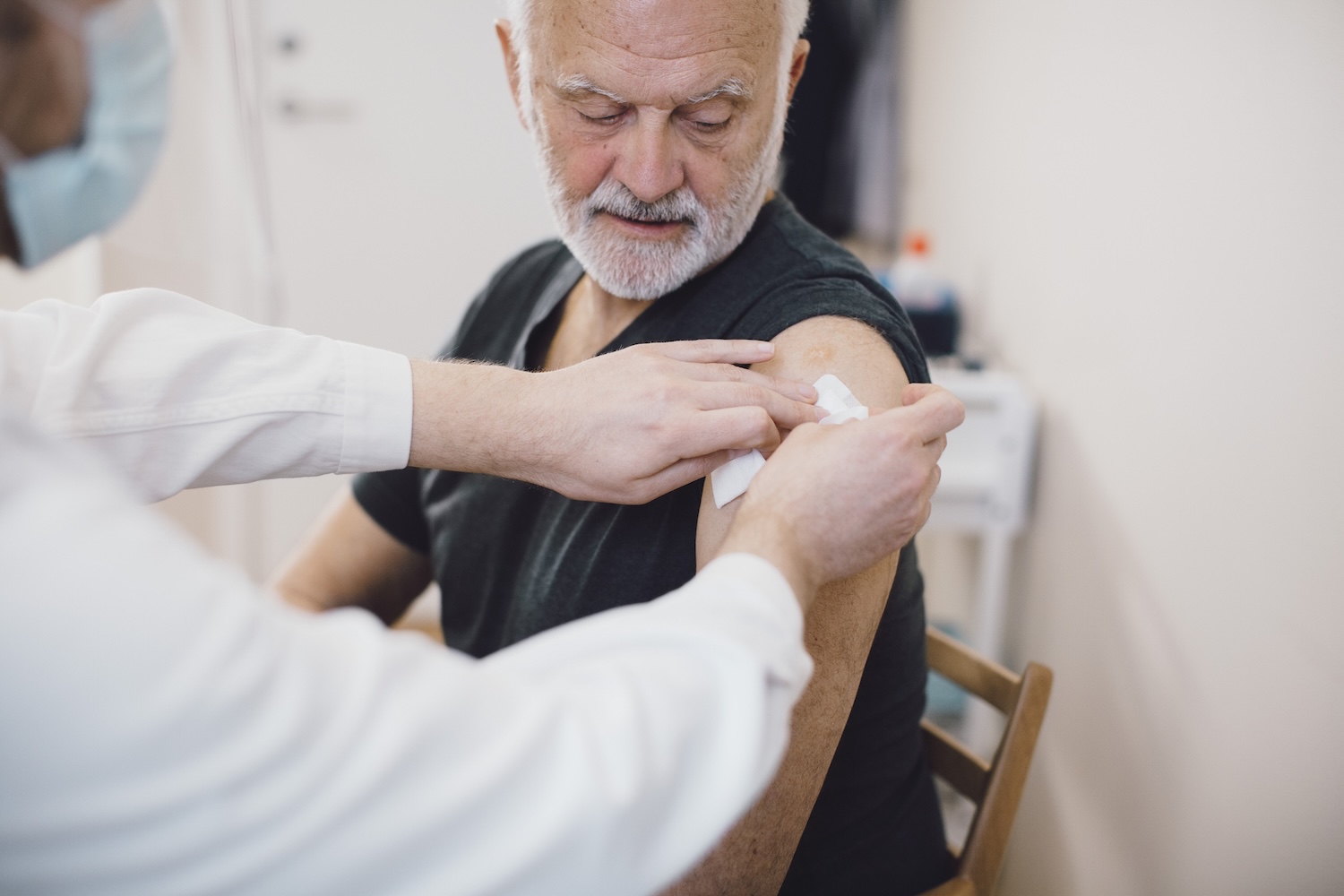
As transmission rates remain elevated across Europe, Sweden this week begins its seasonal rollout of updated mRNA vaccines. For the first time, the Swedish Public Health Agency is offering free vaccinations to individuals aged 75 and older, as well as those aged 18–74 deemed medically vulnerable.
Healthy individuals aged 65–74 – a cohort numbering approximately 820,000 – are excluded from the recommendation, unless regional authorities first secure coverage for priority groups.
The policy marks a departure from previous campaigns and has ignited debate among virologists and clinicians. “There are no clear medical grounds for raising the age threshold,” said Åke Lundkvist, professor of virology at Uppsala University. “Our immune systems begin to decline after 50. I believe all individuals over 60 should be encouraged to vaccinate.”
The Public Health Agency argues that the risk of severe illness has diminished due to widespread immunity and the reduced virulence of circulating variants. Ulrika Marking, an infectious disease specialist at the agency, noted that most individuals over 65 who face hospitalisation risks are already captured within the defined risk groups.
Economics drive policy shift
Behind the revised guidelines lies a health economic analysis that concluded the marginal benefit of vaccinating healthy individuals over 65 is limited. “The health economic gain is very small,” Marking told Euractiv. However, critics point out that the analysis does not account for the long-term burden of post-COVID conditions on the healthcare system.
An internal risk assessment seen by Euractiv acknowledges potential difficulties in reaching all medically vulnerable individuals aged 65–79 – a group estimated at 650,000. The agency concedes that reduced coverage among this cohort could lead to a “relatively increased burden of disease.”
Nordic neighbours diverge
Denmark has opted for a more inclusive approach. Its Health Authority continues to recommend vaccination for all individuals aged 65 and older, regardless of underlying health conditions. The decision is informed by hospitalisation and mortality data from the past two winters, though officials note a declining trend in disease burden.
“Until we can confirm this decline is permanent, we will maintain the current age threshold,” the Danish authority stated. It also warned of the virus’s capacity to mutate, potentially undermining existing immunity and necessitating renewed vigilance.
Other European countries – including France, Belgium, and the Netherlands – have retained lower age thresholds, ranging from 60 to 65. The UK, Norway, and Finland have aligned with Sweden’s more restrictive stance.
The European Centre for Disease Prevention and Control (ECDC) declined to comment on the growing divergence in national vaccination strategies.
[Edited by VA, BM]