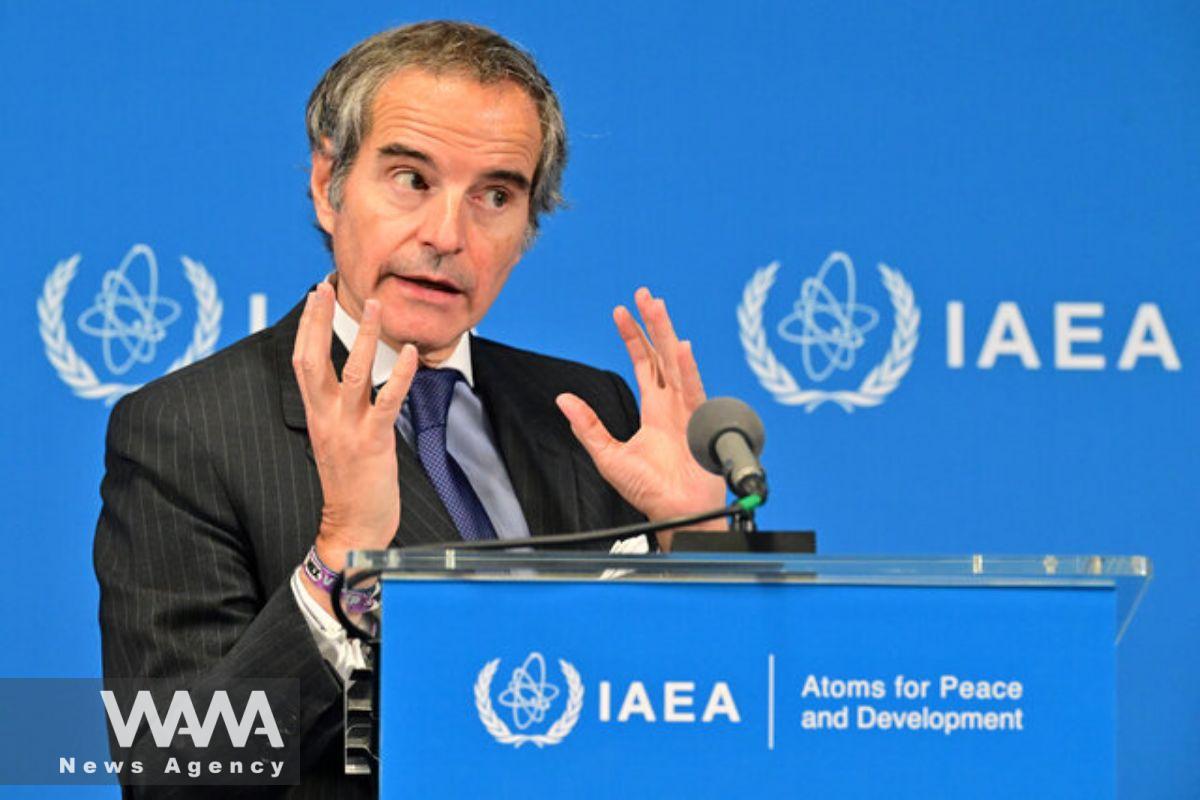
WANA (Oct 19) – The Director General of the International Atomic Energy Agency (IAEA), Rafael Grossi, said in a recent interview with the Swiss newspaper Neue Zürcher Zeitung that inspectors have found no evidence suggesting Iran has hidden significant amounts of enriched uranium, though concerns about Tehran’s possible path to a nuclear weapon have not been completely removed.
Grossi stated: “Most of Iran’s enriched material is stored at the known facilities in Isfahan and Fordow, and to some extent in Natanz. A small portion may have been moved elsewhere.” He added that Iran currently possesses around 400 kilograms of highly enriched uranium.
According to Grossi, IAEA inspectors will only gain access to Iran’s nuclear sites “when Tehran sees it as being in its own interest.” He emphasized that gaining full access to Iran’s bombed facilities—after the U.S. and Israeli strikes—would require Iran’s voluntary cooperation.
These remarks come after the U.S. and Israel carried out airstrikes on Iran’s Fordow, Natanz, and Isfahan nuclear facilities on July 1. Following the attacks, questions arose over the storage of Iran’s enriched uranium. Tehran later confirmed that some of the material remained buried under the debris, and no increase in external radiation was detected by either Iran or the IAEA.
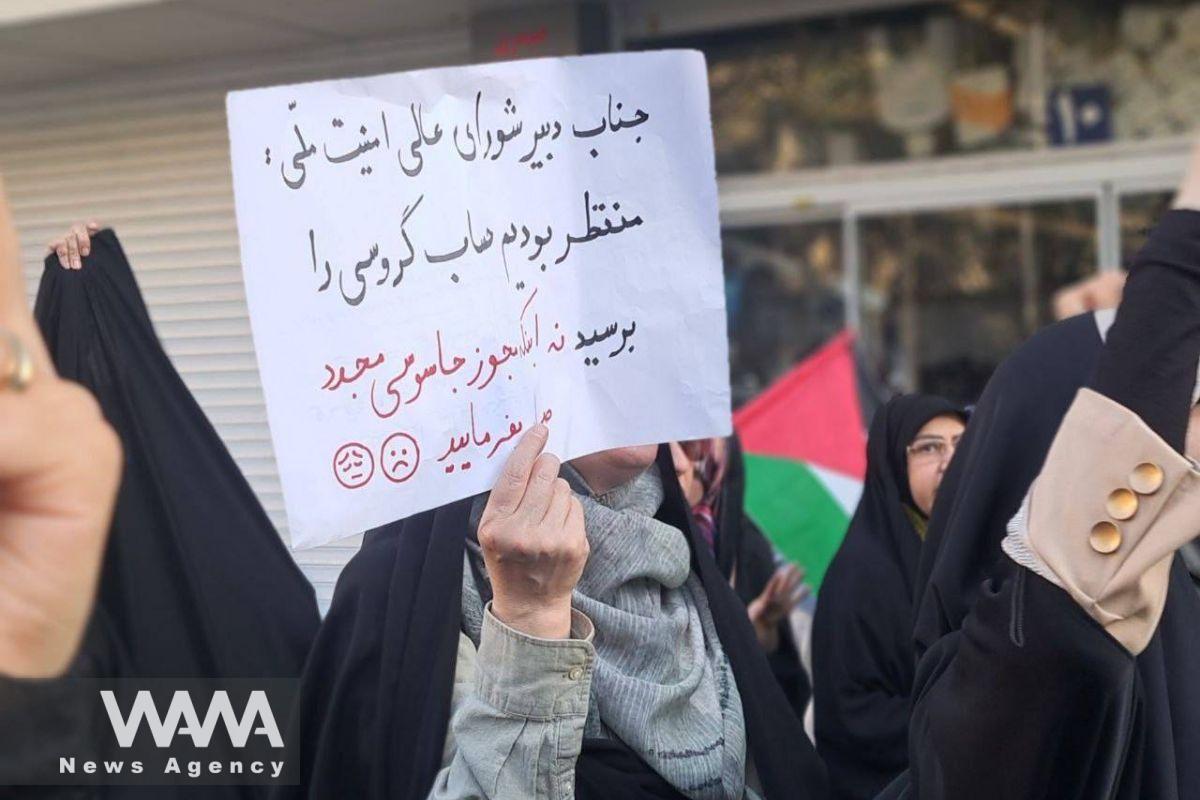
A banner written: “Mr. Secretary of the Supreme National Security Council: We were expecting you to hold Grossi accountable, not to grant permission for spying again.” Social media/ WANA News Agency
Grossi expressed confidence that “a diplomatic solution will be found to the disputes surrounding Iran’s nuclear program,” adding: “Bringing all parties back to the negotiating table can save us from another round of bombings and attacks.”
When asked about former U.S. President Donald Trump’s recent remarks expressing readiness for talks with Iran, Grossi said: “Hearing such statements from President Trump is encouraging. He even mentioned Iran during his speech in the Knesset, saying he believes in a diplomatic path. That was a clear stance—just months after the U.S. and Israeli attacks on Iran.”
He continued: “We cannot change the violence that has already occurred, but sitting together at the table could prevent another wave of escalation.”
Addressing Iran’s reaction to the reimposition of sanctions and the activation of the “snapback” mechanism by the European trio (Germany, France, and the UK), Grossi said: “Iran’s response has not been entirely negative. It has not withdrawn from the Nuclear Non-Proliferation Treaty (NPT), and while cooperation with the Agency continues, it’s still not at the desired level.”
Grossi concluded by saying that resolving Iran’s nuclear issue requires “patience and mutual understanding,” adding: “The Iranian question cannot be separated from the wider regional context. Ultimately, two issues will determine the future of the Middle East — the situation in Palestine and the future of Iran.”