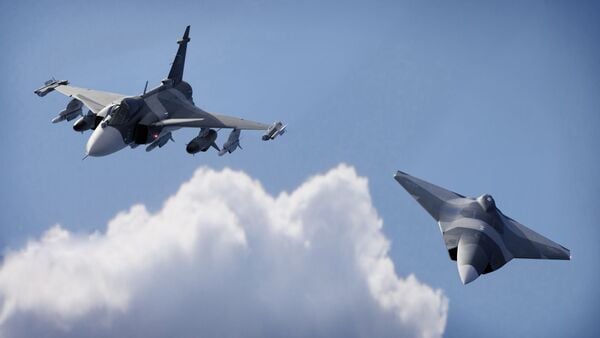
Overview of the Contract Award
Saab has secured a substantial order from the Swedish Defence Materiel Administration (Försvarets materielverk: FMV) to further its conceptual studies on next-generation fighter systems. On October 14, the company announced a funding increase of SEK 2.6 billion (approximately USD 274 million), aimed at supporting research and development efforts from 2025 to 2027.
Scope of the Project
This contract encompasses a comprehensive analysis of both manned and unmanned aerial solutions, functioning within a system-of-systems framework. Key components of the initiative include:
Conceptual Studies: Focused on innovating future fighter designs.
Technology Development: Progression of specific technologies that could be integrated into the fighter systems.
Demonstrators: Creation of physical prototypes to validate concepts and technologies.
Saab will work collaboratively with various stakeholders, including FMV, the Swedish Armed Forces, the Swedish Defence Research Agency, and GKN Aerospace, ensuring a multidisciplinary approach.
Progress and Phased Development
The announcement comes 19 months after FMV initially contracted Saab and GKN in March 2024 to establish foundational studies for future fighter aircraft decisions. This project is structured into multiple phases:
Phase 1: Concept exploration and feasibility studies.
Phase 2: Technology development and demonstrator creation, with activities scheduled to extend through 2030.
Subsequent Phases: Beyond 2031, further advancements will be pursued based on initial findings and technology validations.
In May 2024, Saab indicated that it was preparing to present concept options to the Swedish government as part of its strategy to field an advanced fighter aircraft following the Gripen’s operational life.
KFS/FCAS Program Insight
This initiative, known as KFS (Konceptet Framtidens Stridsflyg, or Future Combat Aircraft Concept), aims to define Sweden’s trajectory in aerial combat capabilities. The concept is also referenced as the Future Combat Air System (FCAS). Peter Nilsson, head of Saab’s new Advanced Programs division, has emphasized the strategic importance of this project in maintaining Sweden’s defense readiness.
Conclusion
As Sweden transitions toward a future fighter aircraft framework, Saab’s ongoing commitment to research and development underlines the nation’s focus on advanced aerospace capabilities. This progressive initiative not only strengthens Sweden’s defense posture but also enhances collaborative opportunities within the international defense community.
For those looking to remain informed on developments regarding Sweden’s future fighter plans, continual access to expert analysis and updates will be pivotal.