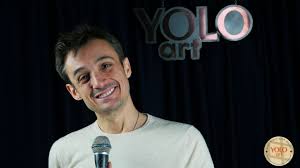
The abrupt cancellation of performances by the comedic troupe Styria in Hama province has ignited a broader conversation about the contours of free expression in post-conflict Syria, just as the country grapples with its fragile transition.
Styria, Syria’s pioneering stand-up comedy collective, announced the suspension of its scheduled show in Mahrdeh, a town in rural Hama, as part of the inaugural “Syria Comedy Festival.” Organizers attributed the decision to “circumstances beyond their control.” In a video circulated widely on Facebook on Sunday, co-founder Maliki Mardenli revealed that the cancellation encompassed all planned performances across Hama, underscoring the mounting challenges in sustaining the festival despite its aims to bolster domestic tourism and showcase unbridled artistic liberty.
Mardenli, a young comedian whose measured tone belied the gravity of his words, refrained from specifying the reasons publicly. “Every word we utter is weighed against us… recorded in reports that are forwarded,” he explained, alluding to the invisible pressures shadowing their work. He emphasized the festival’s noble intent: to “promote internal tourism, entertain audiences, and project a whimsical image of the nation,” while boldly affirming the right to free expression.
The cancellation, Mardenli clarified, was total for Hama and its affiliated locales, though he qualified it as provisional, insisting no further shows were slated there. With a touch of wry humor that defines Styria’s ethos, he concluded the clip by noting the group’s pivot to Aleppo for upcoming performances, quipping: “Should authorities in Aleppo intend to cancel, kindly inform us well before we set off.”
No official statement has emerged from Hama’s provincial governorate regarding the matter, despite Styria’s prior approval from the Ministry of Tourism to host the event. Sources aligned on the troupe’s notification of the decision via informal verbal channels—a move that resurrects concerns over opaque bureaucratic interventions stifling cultural initiatives.
In a prior interview with Enab Baladi, Mardenli affirmed that the group had secured necessary permits, even as official bodies viewed such endeavors as non-priority amid pressing national imperatives. The festival, he stressed, caters to all age groups across Syria’s diverse provinces, fostering a sense of shared levity in a nation long starved of it.
The episode drew sharp commentary from fellow comedian Ricardo Bassous, who took to social media to decry the irony: “If today we’re only permitted to speak freely in Damascus and Aleppo—in well-known restaurants or clubs under watchful eyes, with loudspeakers, cameras, and tourists—while Hama and Mahrdeh (where Styria’s show was canceled today) languish in obscurity… what distinguishes today’s Syria from Assad’s Syria?”
Bassous escalated his critique, warning: “If youth in Syria can halt a comedy show in Hama on charges of undermining family values and promoting homosexuality, I’m certain I’d be imprisoned within ten minutes of delivering my routine.” He pivoted to a poignant rallying cry: “The true victor is Syria’s revolution—not the facade you envision for life here.”
Styria launched the Syria Comedy Festival earlier this month, with its debut performance on October 11 in Homs. The touring program of stand-up acts is set to traverse multiple cities until month’s end, including Wadi al-Nasara, Safita, Tartus, Latakia, Salmiyah, Aleppo, Hasakah, Amouda, Qamishli, Al-Malkiyeh, Jaramana, and Damascus.
Founded in late 2022 amid the stifling remnants of authoritarian rule, Styria—whose name fuses “Syria” and “hyStyria” to evoke the nation’s turbulent psyche—has emerged as a vanguard for unfiltered satire. In the festival’s wake, observers decry the episode as a litmus test for Syria’s nascent freedoms: a reminder that while the old regime’s iron grip has loosened, the specter of censorship lingers, threatening to mute the very laughter essential for healing.
As Styria presses on, its resilience underscores a defiant optimism—one that challenges Syria to honor its revolutionary promise by safeguarding the stage as a sanctuary for satire.