According to the report, total seafood consumption in the EU reached 10.7 million tonnes in 2024, a 5% increase on 2023. EU production rose by 7% to 4 million tonnes, while imports climbed 2% to 8.8 million tonnes. Average consumption per capita hit 23.8 kilograms and is expected to rise further in 2025, driven mainly by imports.
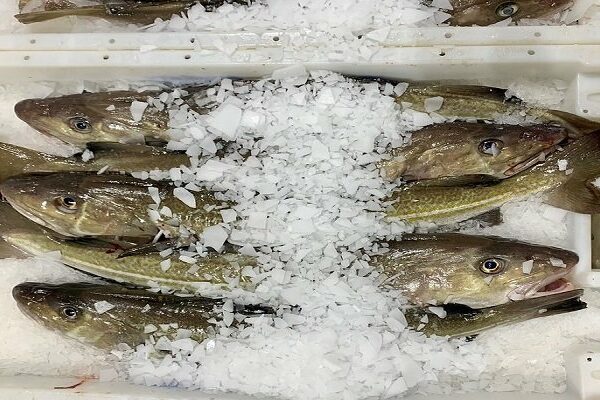
Whitefish consumption, however, declined by 5% in 2024 compared with 2023, and by 6% relative to the 2020–2024 average. The EU relies heavily on imports for whitefish, which account for 94% of supply. The main species are Alaska pollock and cod, sourced from Russia, the United States, and Norway.
Geopolitical tensions and trade measures continue to restrict access to Russian fish, while lower quotas for species such as Barents Sea cod are further reducing wild-caught volumes.
At the same time, shrimp and prawn consumption rose 7% to 860,000 tonnes in 2024, with Ecuador strengthening its position as the EU’s leading supplier, accounting for 25% of imports, particularly into Spain, France, and Italy.
The report shows that aquaculture is playing an increasing role in stabilising the seafood market. In 2024, EU pangasius production rose 12% to 205,000 tonnes, seabream increased 2% to 159,000 tonnes, seabass climbed 7% to 136,000 tonnes, and tilapia grew 8% to 42,000 tonnes. Although farmed fish cannot fully replace wild-caught whitefish, Seafood Europe said they “help soften the impact of declining wild stocks.”
The organisation is calling for a flexible Autonomous Tariff Quota (ATQ) system, new Free Trade Agreements, and the avoidance of trade barriers to safeguard seafood raw materials from fisheries, aquaculture, and third-country sources.
Seafood Europe said such measures are essential to maintain the competitiveness and employment of the EU seafood processing industry, which depends on a secure and diversified supply base.