Published on
October 23, 2025

On August 12, 2026, the world will witness a breathtaking total solar eclipse that will captivate millions of skywatchers across the globe. For a brief moment, the Moon will align perfectly with the Sun, casting a shadow that will turn day into night. This extraordinary event, one of the rarest astronomical phenomena, will be visible from parts of Europe, Greenland, and the Arctic, making it an ideal opportunity for travelers and eclipse chasers to experience the awe of nature’s wonders.
As anticipation builds, travelers are already planning their trips to witness this incredible celestial event. Whether you’re a first-time viewer or a seasoned eclipse chaser, preparation is key to experiencing the solar eclipse safely and memorably. This article offers essential travel tips, the best viewing locations, and helpful advice for making the most of your solar eclipse journey in 2026.
What Makes the 2026 Solar Eclipse Special?
Unlike many previous eclipses, the 2026 total solar eclipse will be unique due to its path across both remote northern regions and popular European destinations. It will cross parts of Greenland, Iceland, northern Spain, and the Arctic, providing a diverse range of viewing options for travelers. Cities like Madrid will experience a near 90% partial eclipse, while those in northern Spain, such as Bilbao and Santander, will witness the full totality, which will last up to 2 minutes and 18 seconds.
Spain, in particular, offers one of the best viewing opportunities due to its typically clear skies during August. For eclipse enthusiasts, this provides an ideal combination of weather conditions and excellent viewing locations.
Best Locations to View the 2026 Solar Eclipse
To experience totality, location is everything. Here are the best places to plan your trip to get the most out of this once-in-a-lifetime event:
Northern Spain (Basque Country, Asturias, Cantabria)
This region offers the longest duration of totality on the European mainland. Cities such as Bilbao and Santander fall directly along the path of totality, providing excellent viewing conditions. The vibrant cultural scene, local cuisine, and coastal scenery make it an even more appealing destination.
Iceland
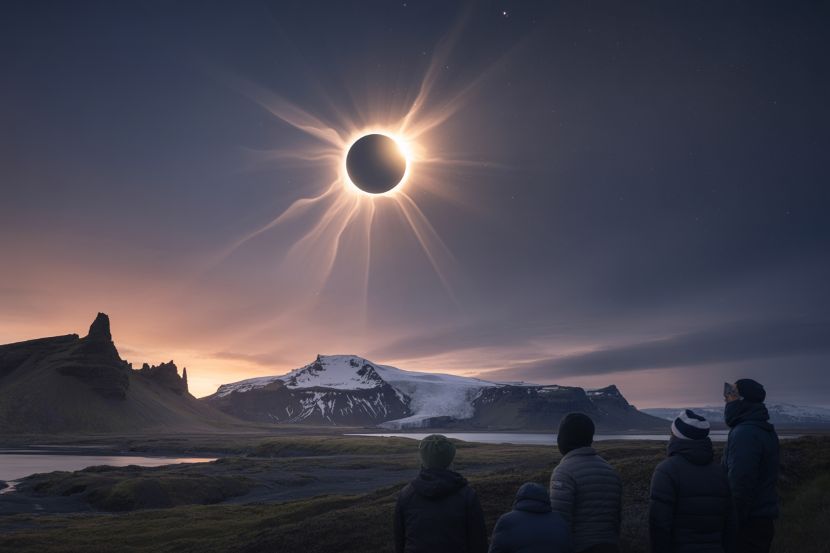
For adventure seekers, Iceland offers a chance to experience the eclipse against the backdrop of volcanoes, glaciers, and dramatic landscapes. While the weather can be unpredictable, the sheer beauty of Iceland’s natural environment makes it a once-in-a-lifetime experience.
Greenland
Greenland offers an exceptional opportunity for those seeking solitude and raw beauty. The eclipse will cross the eastern edge of Greenland, offering travelers a chance to experience one of the world’s most remote and pristine environments.
Portugal and Western France (Partial Views)
Though not in the path of totality, these regions will experience a deep partial eclipse, which is still an impressive sight, especially near sunset. These locations are ideal for those who want to experience the eclipse without traveling to more remote regions.
Other Destinations for Viewing:
Arctic Regions: For those willing to venture into the Arctic, these regions will offer a truly otherworldly experience as they are closer to the path of totality.Spain’s Cities: In cities like Madrid and Barcelona, the partial eclipse will still offer a spectacular view, making it an excellent destination for those not in the direct path.
Countries and Locations in the Path of Totality
1. Greenland
Region: Eastern Greenland
Notable Locations: Tasiilaq, Kulusuk
Viewing Highlights: Remote Arctic landscapes provide a unique backdrop for the eclipse.
2. Iceland
Region: Western Iceland
Notable Locations: Reykjavík, Westfjords, Snæfellsnes Peninsula
Viewing Highlights: Iceland’s dramatic scenery, including volcanoes and glaciers, offers stunning views during totality.
3. Spain
Region: Northern and Central Spain
Notable Locations: A Coruña, Oviedo, León, Burgos, Zaragoza, Valencia, Palma de Mallorca, and the Balearic Islands
Viewing Highlights: The eclipse will be visible across much of Spain, with some areas experiencing up to 1 minute and 48 seconds of totality.
4. Portugal
Region: Extreme northeastern Portugal
Notable Locations: Guadramil and Rio de Onor
Viewing Highlights: Although the path of totality is very narrow, these areas will experience a brief period of totality.
Viewing Tips
Safety First: Always use ISO-certified eclipse glasses or a solar viewer to protect your eyes.
Weather Watch: Check local weather forecasts, as clear skies are crucial for optimal viewing.
Timing: The eclipse will occur in the late afternoon, so plan accordingly.
Travel Plans: Accommodations in the path of totality may fill up quickly; book early to secure a spot.
Additional Information for Travelers
Accessibility: Some viewing locations, especially in Greenland, may be remote and require special travel arrangements.
Local Events: Many regions in the path of totality are planning special events and gatherings for eclipse watchers.
Extended Travel: Consider extending your trip to explore the unique landscapes and cultures of these regions.
Final Thoughts
The August 12, 2026, total solar eclipse offers a rare opportunity to witness a celestial phenomenon in some of the world’s most captivating locations. Whether you’re an avid astronomer or a curious traveler, experiencing totality in Greenland, Iceland, or Spain promises to be an unforgettable adventure. Remember to plan ahead, prioritize safety, and embrace the wonder of this extraordinary event.
Planning Your Solar Eclipse Trip
As eclipse chasers know, timing and preparation are crucial to having a memorable and safe viewing experience. Here’s how to get ready:
Book Accommodations Early
Hotels and other accommodations along the eclipse path will fill up fast. Make sure to book your stay well in advance to secure a spot in cities like Bilbao or Reykjavik, where eclipse viewing will be optimal.
Check Weather Forecasts
Since the weather can be unpredictable, particularly in Iceland and Greenland, it’s essential to stay flexible. Have a backup location in mind in case clouds or rain disrupt your primary viewing spot.
Plan Your Travel
Traveling during an eclipse can be chaotic, with heavy traffic and large crowds expected. Arrive early and allow for plenty of time to get to your viewing location. If you’re flying, make sure to confirm flight times and connections well in advance.
Travel Tips:
Plan for Crowds: Expect large crowds around popular viewing locations. Pack patience and give yourself extra time for transportation or meals.Bring Essentials: Ensure you have everything you need for a comfortable experience, such as sunscreen, snacks, water, and proper eclipse glasses.Safety First: How to Safely View the Solar Eclipse
Looking directly at the Sun during an eclipse can cause severe eye damage, which is why using the proper eye protection is essential. Never look directly at the Sun without proper ISO-certified eclipse glasses or a solar filter.
Safe Viewing Tips:
Use Eclipse Glasses: Always wear certified eclipse glasses to protect your eyes. Regular sunglasses are not safe for eclipse viewing.Solar Filters for Cameras: If photographing the eclipse, use a solar filter designed for cameras, telescopes, or binoculars to avoid eye injury.Totality: During the brief period of totality, you can safely remove your eclipse glasses. However, once the Sun starts to reappear, immediately put them back on.What to Expect During Totality
As the Moon moves in front of the Sun, the sky will gradually darken. This eerie twilight effect, called “the shadow band,” will make temperatures drop slightly and may cause animals to behave as though it is nighttime. Shadows will become sharper, and the world will take on a silvery hue. When the Sun is fully covered, the solar corona will become visible, creating a halo of light around the dark Moon.
This brief moment of totality, which typically lasts only a few minutes, is the highlight of the eclipse. The sky will darken, and stars may appear for a few moments. It’s a magical experience that few get to witness.
Helpful Tips for TravelersJoin an Eclipse Tour: Guided eclipse tours often include transportation, viewing gear, and expert commentary. These tours are ideal for first-time viewers.Understand Eclipse Mechanics: Learning about the eclipse beforehand will make the event even more meaningful. Consider reading up on how eclipses work.Respect Local Communities: If traveling to small towns or rural areas, be mindful of local residents and their environment. Support local businesses and dispose of trash properly.Capture the Moment: Practice photographing the Sun before the eclipse, and remember that experiencing the event firsthand is often more memorable than any photograph.After the Eclipse: Extend Your Trip
Once the eclipse concludes, consider exploring the destination further. Northern Spain offers beautiful beaches, delicious cuisine, and historical landmarks. Iceland is perfect for geothermal spa visits and exploring its natural wonders, while Greenland is an adventurer’s paradise with its vast Arctic landscapes.
Extend Your Travel Experience:
Northern Spain: Explore its coastal scenery, vibrant cities, and rich history.Iceland: Visit geothermal spas, waterfalls, and volcanic parks.Greenland: Experience remote wilderness and unique Arctic adventures.Final Thoughts for Eclipse Chasers
The 2026 total solar eclipse is a rare and extraordinary event, offering an unforgettable experience for travelers. Whether you’re in the path of totality or enjoying the partial eclipse, this event is sure to leave a lasting impression. By planning ahead, ensuring safe viewing, and being prepared for crowds, you can make the most of this once-in-a-lifetime experience.
