Two thirds of small and medium sized enterprises believe Malta is “moving in the wrong direction” as they singled out staff shortage and unfair competition as the two most pressing issues, a survey revealed.
The Malta Chamber of SMEs, in collaboration with MISCO, on Thursday published the results of the latest SME Barometer survey following a study conducted among 456 businesses between October 6 and 16.
While business sentiment showed a slight improvement compared to previous quarters, 66% of respondents felt that Malta is moving in the wrong direction.
However, a slightly larger proportion of businesses expressed optimism about the next 12 months compared to an earlier survey this year.
Almost half the respondents (46%) said employee shortage was their top concern, followed by some margin by unfair competition (23%) and excessive competition (17%).
Other key challenges mentioned included traffic congestion and skills mismatches.
At a national level, overpopulation remained the most significant concert for 36% of SMEs. Other ongoing worries include the lack of good governance (31%) and corruption (26%).
Safeguarding quality of life saw a notable increase in importance jumping from 15% earlier this year to 23% in the latest survey, making it the fourth most frequently mentioned issue.
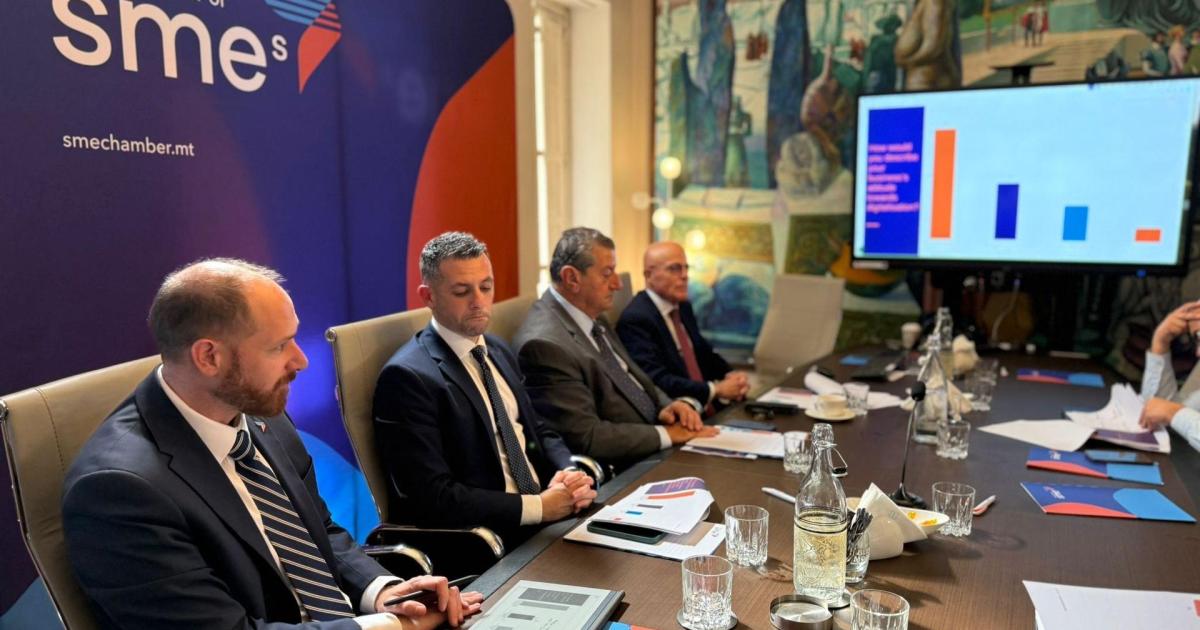
A special section of the survey focusing on digital transformation revealed that a strong 77% of SMEs recognise the importance of digitalisation for future growth. Among them, 51% are actively investing in digital tools, while 26% acknowledge its importance but struggle with implementation.
The SME Chamber urged the Government to expand financial incentives, such as grants and tax credits to support wider digital adoption.
It recommended increased support for micro and small business should include raising aid intensity for micro-enterprises from 45% to 65% and increasing the credit cap for small enterprises from €50,000 to €70,000.
The Chamber also suggested an additional €20,000 digitalisation capping for businesses adopting digital invoicing ahead of 2030, with stronger transparency and anti-corruption measures to rebuild institutional trust.
“SMEs continue to demonstrate resilience and adaptability, but they need clarity, consistency, and fairness from institutions,” SME chamber president Paul Abela said.