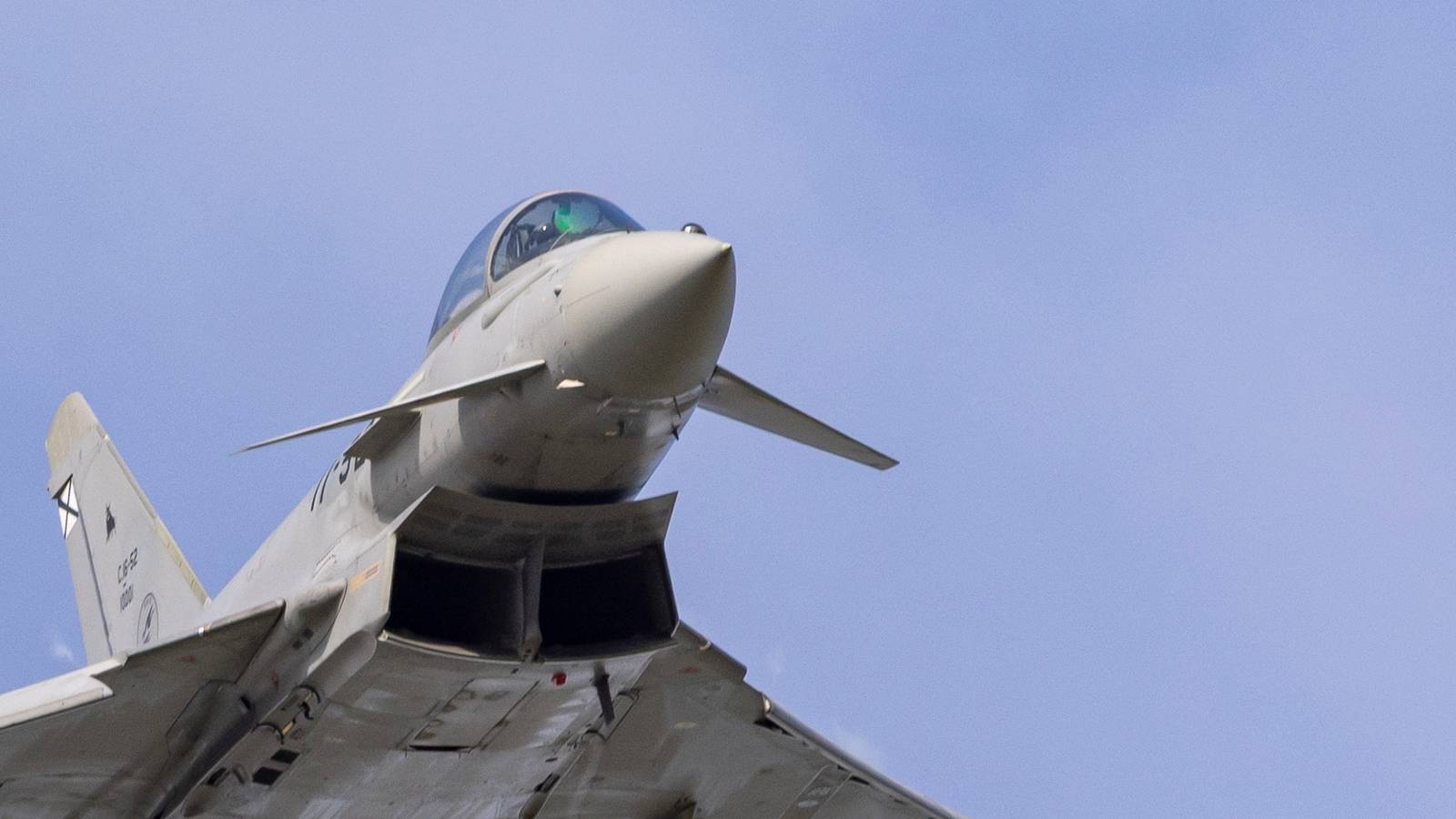
The CEO of Airbus Defense & Space has indicated that the company is now in talks to sell 40 Eurofighter Typhoon models to Türkiye, and that these negotiations are in their final stages. The executive also added that Germany would not block the export of these mission systems. Since there has been a policy reversal under the new German government, negotiations are now proceeding as a commercial exercise led by BAE Systems on behalf of the entire Eurofighter consortium, which includes the United Kingdom, Germany, Italy, and Spain.
For Ankara, the package would refresh fighter capacity and deepen NATO interoperability while plugging capability gaps, as indigenous programs begin to mature. This deal would also anchor long-term cooperation, including training, aftermarket services, and the sale of potential upgrade packages. The overall timing and configuration of this deal are still being finalized, but the principal political hurdle appears to have been cleared, shifting focus towards price, offsets, and overall support.
A Deeper Look At This Latest Development

Credit: Shutterstock
Michael Schoellhorn, the CEO of Airbus Defense & Space, told Turkish news outlet Anadolu that negotiations with Ankara are approaching their final stages. He also sternly referred to German export control reservations as a “thing of the past.” He indicated that Berlin’s new coalition under Chancellor Friedrich Merz stated that the German government was not interested in blocking this potential sale.
Having received the political green light, this process has moved to commercial and technical talks, led by BAE Systems, the British partner in the Eurofighter consortium. The working plan, which is for 40 aircraft, remains unchanged as Britain has been leading the engagement on behalf of this consortium. The current CEO of Airbus Defense highlighted this prospective sale as the first stage in a blossoming long-term partnership, with future technology and iterative upgrades potentially in the cards for the manufacturer in the long term.
What Does All Of This Mean For Turkish Military Ambitions?

Credit: Shutterstock
If these talks are successfully concluded, the Eurofighter purchase would quickly strengthen Turkey’s air policing and air defense posture while its indigenous fighter development system continues to scale. The Typhoon brings a proven, NATO-standard multirole platform with a large and established user base to the table. This eases interoperability, training, and logistics when operating alongside other allied forces, especially in the Middle East and Eastern Europe.
Because the Eurofighter is a system —a weapons platform fitted with sensors, datalinks, and tactical communication capabilities —the deal on the table would grant Turkish forces access to new kinds of technological capabilities. From a political standpoint, Berlin’s decision to remove objections lowers the bilateral friction that Turkey could encounter, and it widens Turkish defense-industrial options in Europe.
There are still some risks the company is going to have to face. Integration and sustainment costs are significant. Weapons configuration choices can affect timelines, and the program’s success will hinge on offsets, the company’s maintenance footprint, and the technology-transfer scope that is negotiated in the company’s final package. Nonetheless, the probability of a durable, multi-decade partnership with the European consortium has continued to improve.
What Are The Financial Implications?

Credit: Shutterstock
As for Turkey, this is a multi-billion-euro acquisition once airframes, engines, spares, weapons, training, simulators, and infrastructure are included. The overall budget impact depends on delivery phasing, financing terms, and how industrial participation is structured across the board. Local maintenance and component work should help recycle spending into the country’s domestic base and lead to lower through-life costs for the overall program.
As for the Eurofighter consortium, the order would extend the manufacturer’s overall backlog and sustain jobs across BAE Systems, Airbus, and Leonardo while also supporting incremental investment in upgrades that can be monetized across the manufacturer’s fleet.
As talks have shifted from politics to commercial and technical details, overall margin outcomes will hinge on final configuration, escalation clauses, and support packages as opposed to export approvals. If signed, this program will become a long-tail revenue stream for the industry and offer a predictable, staged cash outlay for Turkey with potential for domestic industry returns.