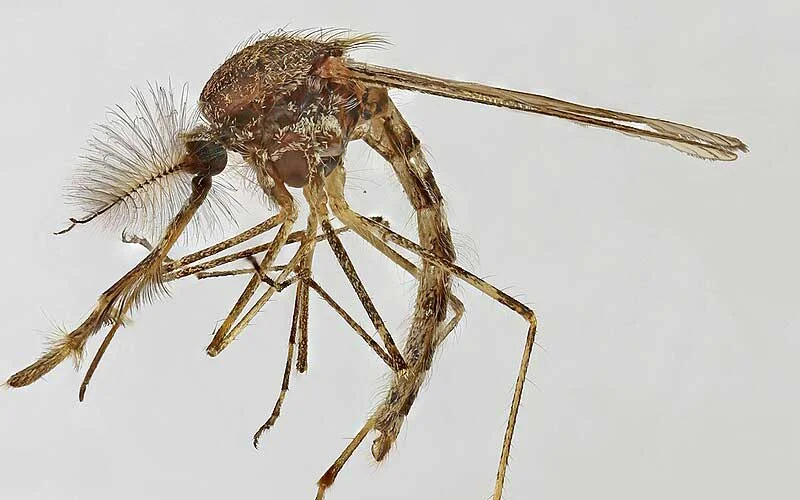
Mosquitoes have been found in Iceland for the first time after the island nation experienced record-breaking heat this spring, raising concerns that warming temperatures are allowing new insect species to survive in areas once thought too cold.
The discovery was made by insect enthusiast Björn Hjaltason, who encountered three mosquitoes – two females and a male – while observing moths in Kjós, a glacial valley south-west of Reykjavík.
The insects were later confirmed by the Icelandic Institute of Natural History to be Culiseta annulata, one of the few mosquito species capable of surviving winter.
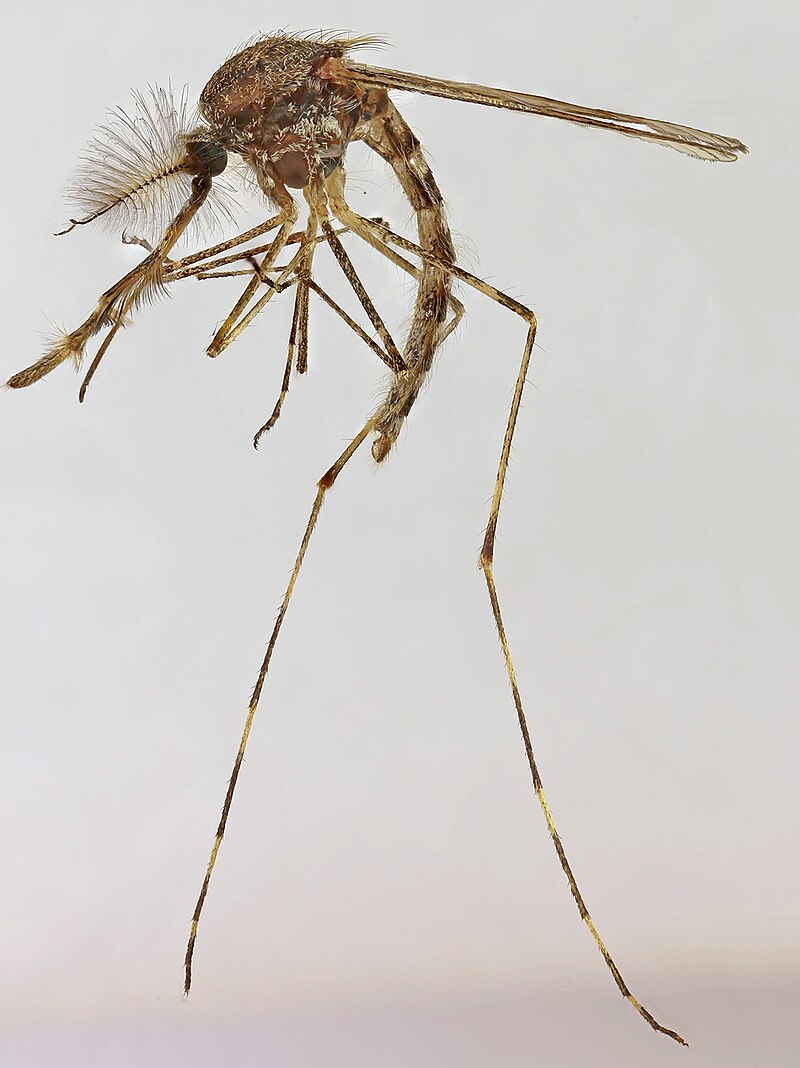
Culiseta annulata has been recorded in Iceland for the first time (Flickr).
Iceland no longer mosquito-free
Iceland was previously one of only two places on Earth known to be mosquito-free, along with Antarctica. Entomologist Matthías Alfreðsson, who verified the specimens, said it is not yet clear how the insects arrived in the country or whether they can establish a permanent population.
The discovery follows an exceptionally warm spring, during which parts of Iceland exceeded 20°C for 10 consecutive days – highly unusual for May. The country also recorded its hottest May day on record, with 26.6°C at Egilsstaðir Airport.
Mr Hjaltason suggested the insects may have arrived via shipping containers at the nearby port of Grundartangi. “If three of them came straight into my garden, there were probably more,” he said.
Further monitoring next spring will determine whether Culiseta annulata has become established in Iceland – a concerning milestone that would mark the end of one of the world’s last mosquito-free refuges.